Shinsengumi Members: The Full Roster and Structure
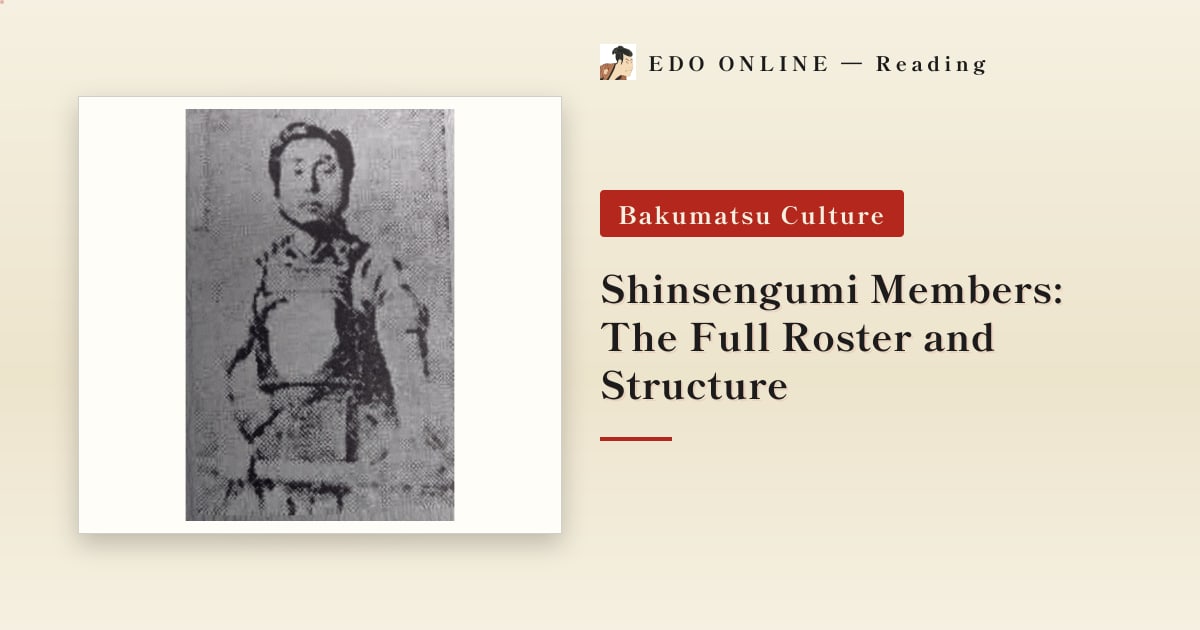
The Shinsengumi policed Kyoto for the shogunate during the 1860s. This page sets out its structure and its principal members.
Contents
Shinsengumi structure
The corps had a clearly defined hierarchy. What follows is the representative structure of around 1865. The earliest phase had a different shape — several commanders at once, for one thing — so this was not constant across the corps' life.
| Rank | Role |
|---|---|
| Commander | Head of the corps. Kondō Isami |
| Vice-commander | Discipline and administration. Hijikata Toshizō |
| Staff officer | Political adviser. Itō Kashitarō |
| Unit captain | Leader of one of the ten units |
| Inspector | Intelligence, internal and external |
| Accountant | Finances |
Numbers varied over time, reaching more than 200 at their peak. Recruitment expanded rapidly after the Ikedaya incident made the corps famous.
Senior members
| Person | Rank | How they died |
|---|---|---|
| Kondō Isami | Commander | Beheaded at Itabashi, 1868, aged 33 |
| Hijikata Toshizō | Vice-commander | Killed at Hakodate, 1869, aged 34 |
| Serizawa Kamo | Original senior commander | Purged from within the corps, 1863 |
| Niimi Nishiki | Senior officer of the earliest phase | Forced to commit seppuku, 1863 |
| Hirayama Gorō | Assistant vice-commander (Mito faction) | Killed alongside Serizawa, 1863 |
| Hirama Jūsuke | Assistant vice-commander, paymaster | Fled the night of the attack; vanished |
| Noguchi Kenji | Assistant vice-commander (Mito faction) | Made to commit seppuku, 1864, at twenty-one |
| Saeki Matasaburō | Assistant vice-commander | Killed at Shimabara, 1863 |
| Andō Hayatarō | Assistant vice-commander | Died of wounds from the Ikedaya, 1864 |
| Ōno Uchū | Commander of the Hakodate Shinsengumi | Lived to 1911; recorded Hijikata's death |
| Yamanami Keisuke | General manager | Attempted to leave; ordered to commit suicide, 1865 |
| Itō Kashitarō | Staff officer | Left the corps and was killed, 1867 |
| Sōma Kazue | Last commander | Signed the surrender at Hakodate, 1869 |
Unit captains
| Unit | Captain | Notes |
|---|---|---|
| First | Okita Sōji | The most celebrated swordsman of the corps; died of illness in 1868 |
| Second | Nagakura Shinpachi | Survived into the twentieth century and wrote the essential memoir |
| Third | Saitō Hajime | Fought as far as Aizu; became a police officer after the Restoration |
| Fourth | Matsubara Chūji | Jūjutsu instructor, the "Modern Benkei"; died in 1865 |
| Fifth | Takeda Kanryūsai | Left the corps and was killed, 1867 |
| Sixth | Inoue Genzaburō | A comrade from Tama; killed at Toba-Fushimi |
| Seventh | Tani Sanjūrō | A "sudden death" at the Gion shrine, 1866; cause unknown |
| Eighth | Tōdō Heisuke | Left with Itō Kashitarō; killed at Aburanokōji |
| Ninth | Suzuki Mikisaburō | Itō's younger brother; survived after leaving |
| Tenth | Harada Sanosuke | Reportedly died of wounds at the Battle of Ueno |
Inspectors, instructors and the paymaster
Beyond the captaincies were the posts that actually ran the corps.
| Person | Post | Notes |
|---|---|---|
| Yamazaki Susumu | Inspector | Ran surveillance; neither his birth nor his death is settled |
| Shimada Kai | Inspector, second-unit corporal | Fought to Hakodate; lived to 1900 and left the records |
| Ogata Shuntarō | Inspector, instructor in letters | One of only two assistant vice-commanders who stayed with the corps into Aizu; traced only in 2013 |
| Hattori Takeo | Inspector, fencing instructor | Two-sword master; fell fighting alone at Aburanokōji |
| Shinohara Tainoshin | Inspector, jūjutsu instructor | Defected and joined the ambush of Kondō; lived to 1911 |
| Ōishi Kuwajirō | Inspector | Assassinated Itō Kashitarō; beheaded in 1870 |
| Kawai Kisaburō | Paymaster | Kept the corps' accounts; made to commit seppuku in 1866 |
| Mōnai Arinosuke | Inspector, instructor in letters | "The hundred skills"; cut down at Aburanokōji |
| Yoshimura Kan'ichirō | Inspector, fencing instructor | The real man behind the novel; killed at Toba-Fushimi |
| Ozeki Masajirō | Inspector, standard-bearer | Carried the banner; fought to Hakodate |
| Nakajima Nobori | Corporal | Drew the surviving portraits of his comrades |
| Kondō Yoshisuke | Corporal | Concealed his service and became a lawyer |
| Kazurayama Takehachirō | Corporal | Co-signed the petition against Kondō; made to die |
| Yokokura Jingorō | Member | Died in custody in 1870 over the Ryōma accusation |
| Nomura Risaburō | Member | Spared by Kondō; killed boarding an ironclad |
| Ikeda Shichisaburō | Member | The last surviving member, died 1938 |
| Matsumoto Sutesuke | Eighth unit | Refused as an eldest son; admitted four years later |
| Tani Mantarō | Member, head of the Osaka barracks | Tani Sanjūrō's brother; fought the Zenzaiya affair |
| Tani Shūhei | Member | Kondō Isami's adopted son; the adoption was dissolved |
The Goryo Eji breakaway
In March 1867 a group left the corps behind the staff officer Itō Kashitarō, nominally to guard the late Emperor Kōmei's tomb. In substance it was a breakaway by imperial loyalists.
| Person | Post in the corps | After |
|---|---|---|
| Itō Kashitarō | Staff officer | Assassinated at Aburanokōji, 1867 |
| Suzuki Mikisaburō | Ninth-unit captain | Itō's brother; fought for the imperial side, died 1919 |
| Tōdō Heisuke | Eighth-unit captain | Killed at Aburanokōji |
| Hattori Takeo | Inspector, fencing instructor | Fell alone at Aburanokōji with twenty-odd wounds |
| Mōnai Arinosuke | Inspector, instructor in letters | Cut down at Aburanokōji |
| Shinohara Tainoshin | Inspector, jūjutsu instructor | Rode in the ambush of Kondō; died 1911 |
| Kanō Washio | Corporal | Identified Kondō at Nagareyama, leading to his arrest |
| Tomiyama Yahei | Corporal | Satsuma-born; killed in Echigo, 1868 |
| Abe Jūrō | Corporal, gunnery instructor | Rode in the ambush; left Shidankai testimony |
Sano Shimenosuke stayed behind under secret instructions and cut his belly inside the Aizu residence in protest at the corps' elevation to shogunal retainer status.
The administrators who vanished at the founding
Two men were placed over the Mibu Rōshi on the shogunate's authority. Both were gone within two months.
| Person | Role | End |
|---|---|---|
| Tonouchi Yoshio | Organiser of those who stayed | Ambushed on the Shijō bridge, 1863; the first purge |
| Iesato Tsuguo | Organiser of those who stayed | Isolated, fled, and made to commit seppuku at Osaka, 1863 |
Who survived?
Very few senior members lived into the Meiji era.
Nagakura Shinpachi (1839-1915) — captain of the second unit. He settled in Hokkaido after the Restoration and set down his recollections. His testimony is one of the principal sources for the corps' internal life.
Saitō Hajime (1844-1915) — captain of the third unit. He fought on to Aizu, then joined the Tokyo police under the name Fujita Gorō and served in the Satsuma Rebellion.
Shimada Kai (1828-1900) — inspector and second-unit corporal. He fought to Hakodate and spent his last years as a night watchman at Nishi Hongan-ji, the temple the corps had once quartered in. His diary and papers survive.
Suzuki Mikisaburō (1837-1919) — captain of the ninth unit. He defected, fought for the new government and worked in policing afterwards. No other man who captained a unit lived as long.
Shinohara Tainoshin (1828-1911) — inspector and jūjutsu instructor. He took part in the ambush of Kondō, renamed himself Hata Shigechika, and converted to Christianity late in life.
Ogata Shuntarō (1839-1913) — inspector and instructor in letters. Recorded as missing after Aizu; his later life was only established in 2013.
Why is Okita Soji so famous?
Okita Sōji attracts more interest than any other member. Three reasons account for it.
His swordsmanship. He held full transmission in the Tennen Rishin style and was regarded as among the best blades in the corps.
Youth and illness. Tuberculosis killed him in his mid-twenties, before the Boshin War was decided. He did not die fighting; he died of disease, and that particular pathos has fuelled a great deal of later storytelling.
The gaps in the record. His birth year is uncertain and no reliable portrait survives. The empty space has left later writers free to invent, and the handsome young man of modern fiction is largely their creation.
Why did the Shinsengumi purge its own?
Reading the list, one thing stands out: a striking number were killed by their own side. Serizawa Kamo, Niimi Nishiki, Yamanami Keisuke, Kawai Kisaburō, Takeda Kanryūsai and Itō Kashitarō were all killed or forced to die.
Takeda and Itō were killed after they had left, so "by the corps or by former comrades" is the accurate phrasing.
The reasons were not uniform either. A fight over control (Serizawa), desertion (Yamanami), money (Kawai), suspected defection (Takeda, reasons disputed), and politics (Itō).
Two reasons explain it.
Discipline demanded it. The corps was held together by strict regulations (though no contemporary original of the famous Kyokuchū Hatto-sho survives, and the status of its text is debated). Excusing a breach would have collapsed the structure. A body governed by rules had to turn those rules inward, and did.
It was assembled from strangers. Its members were ronin from across the country with incompatible politics and backgrounds. Factional splits were built in, and Itō Kashitarō's departure with a group of followers is the clearest instance.
Frequently asked questions
How many members did the Shinsengumi have?
Numbers varied, exceeding 200 at their height.
Who was the strongest member of the Shinsengumi?
It cannot be settled, but Okita Sōji, Saitō Hajime and Nagakura Shinpachi are the three most often named.
Did any Shinsengumi members survive?
Yes. Nagakura Shinpachi, Saitō Hajime, Shimada Kai, Suzuki Mikisaburō, Shinohara Tainoshin and Ogata Shuntarō all lived into the Meiji period. Nagakura's memoir is a key historical source.
Who commanded the Shinsengumi?
Kondō Isami. In the corps's earliest phase Serizawa Kamo and Niimi Nishiki also held commands, and both were dealt with from within.
Who was the last commander of the Shinsengumi?
Sōma Kazue. After Hijikata Toshizō was killed at Hakodate in 1869, he signed the corps' letter of submission at the Benten battery as its commander.
For the corps itself see the Shinsengumi; for its leaders see Kondō Isami and Hijikata Toshizō.
Related reading
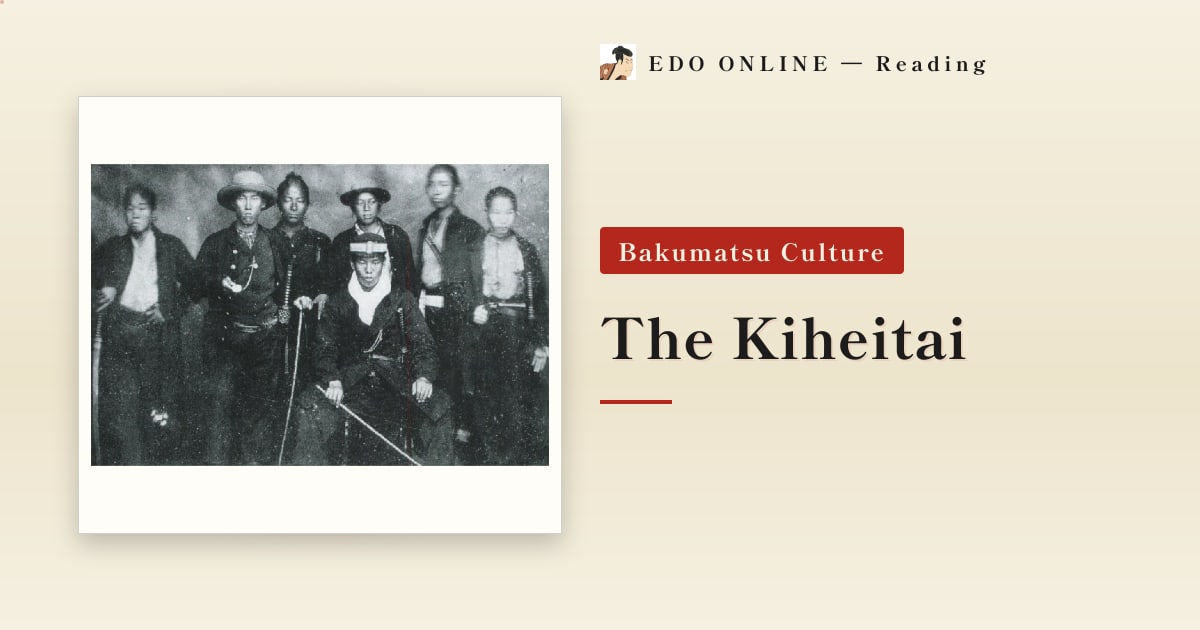
The Kiheitai — Takasugi's Army That Ignored Class
Raised in 1863 by Takasugi Shinsaku, the Kiheitai took commoners as soldiers. Why Choshu did it, how it differed from the regular army, what it won, and how the new government crushed it.
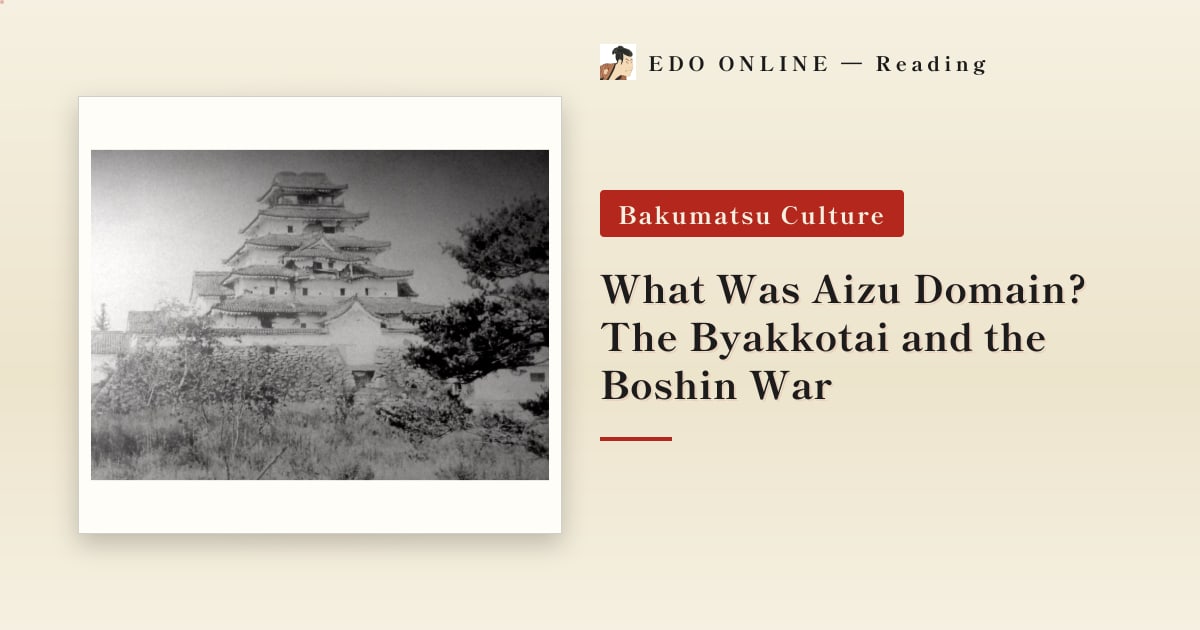
What Was Aizu Domain? The House Code, the Byakkotai, the Siege
Aizu stayed loyal to the shogunate to the end and was destroyed for it. Why Matsudaira Katamori took the Kyoto post, what happened to the Byakkotai, and how the domain was punished.
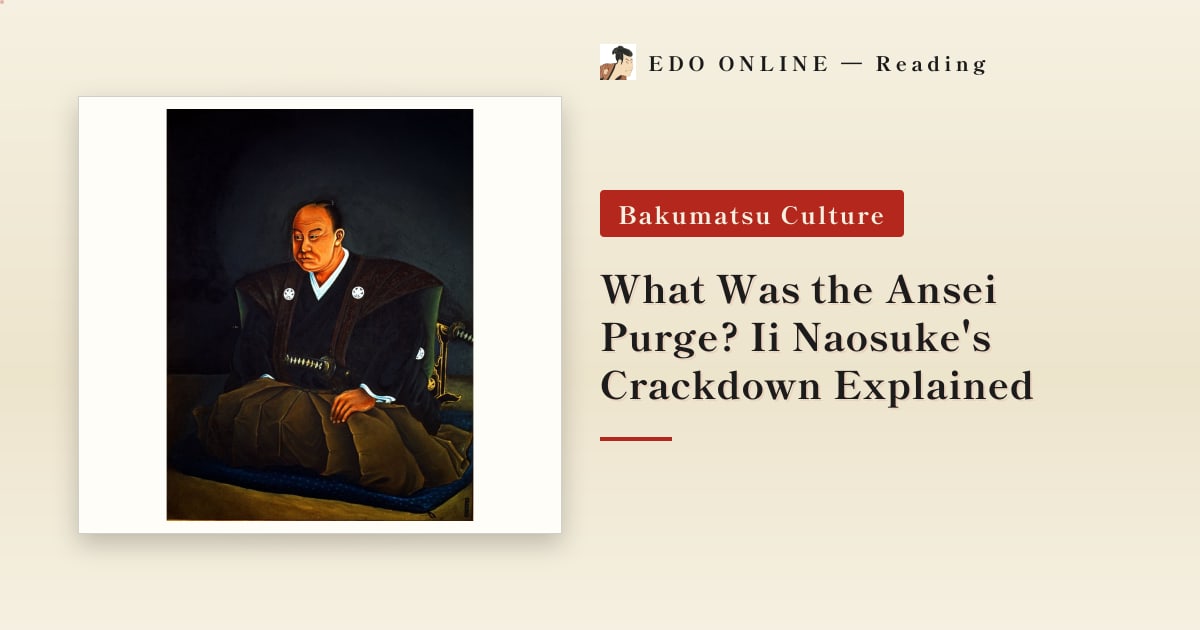
What Was the Ansei Purge? Ii Naosuke's Crackdown Explained
Between 1858 and 1859 the shogunate's chief minister Ii Naosuke purged more than a hundred opponents and executed eight, including Yoshida Shoin. Why it happened and what it destroyed.