YOMIMONO
Great Figures of the Bakumatsu
The samurai, shogunal retainers, and thinkers who raced through Japan's turning point. We trace their lives and legacies, grounded in the historical record.
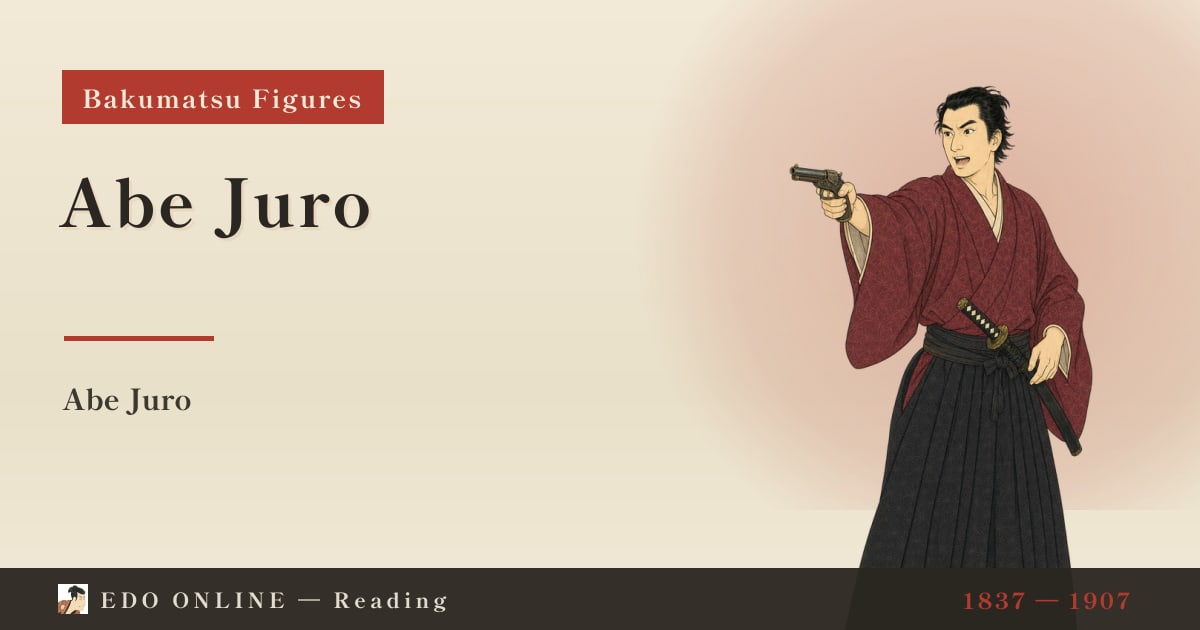
Abe Juro — The Former Member Who Talked
He deserted the Shinsengumi and rejoined under another name, shot at Kondo Isami as one of the Goryō Eji, and then grew apples in Sapporo. His late-Meiji testimony is where the ranking of the corps' best swordsmen comes from.
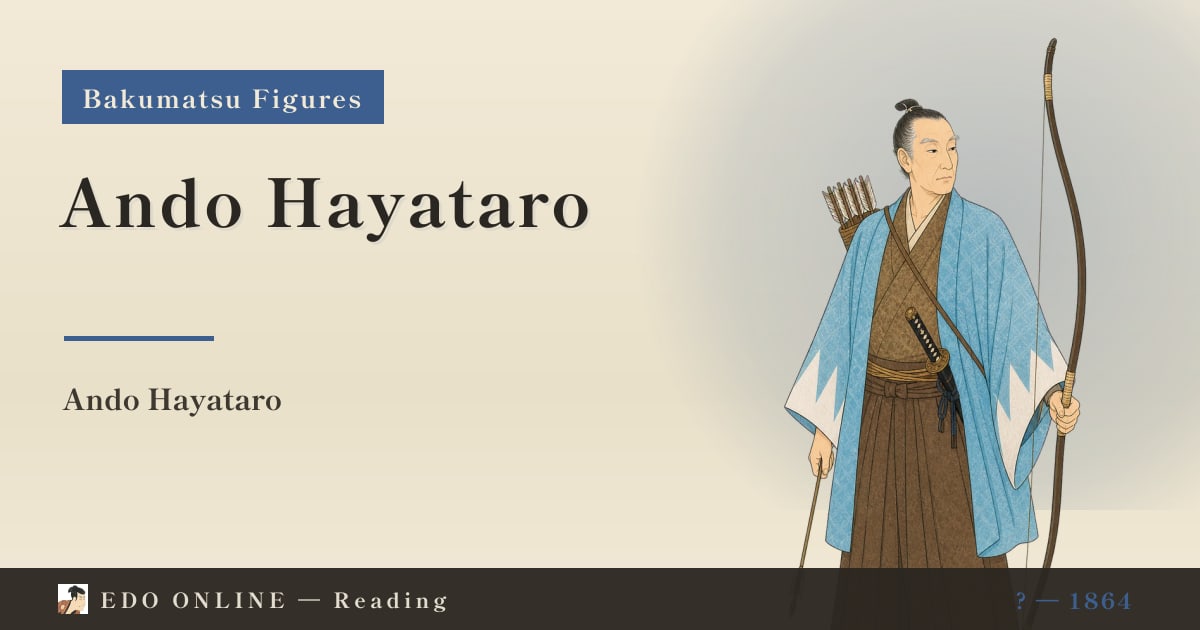
Ando Hayataro — The Shinsengumi's Record-Breaking Archer
He set the standing national record in the long-range shooting at the Tōdai-ji Great Buddha Hall, sending 8,685 arrows the length of the corridor. Nearly fifty, he joined the Shinsengumi and died of wounds taken in the back garden of the Ikedaya.
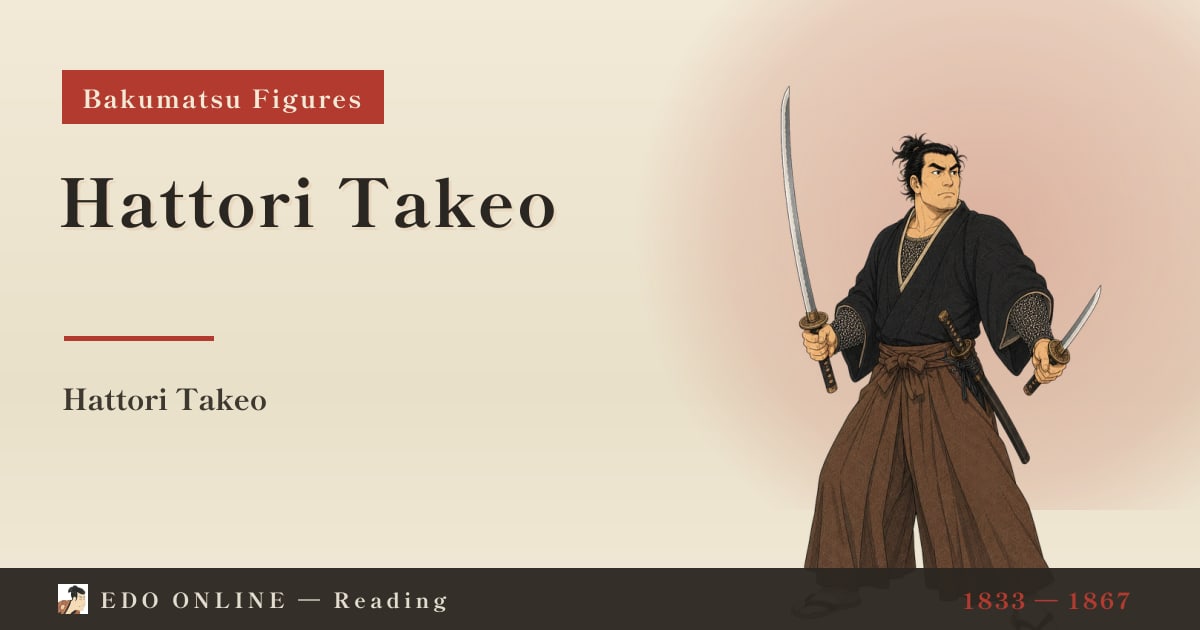
Hattori Takeo — Two Swords at Aburanokoji
A two-sword master and fencing instructor of the Shinsengumi who defected with the Goryō Eji. At Aburanokōji he alone wore mail, held a wall against the whole corps, and fell with more than twenty wounds.
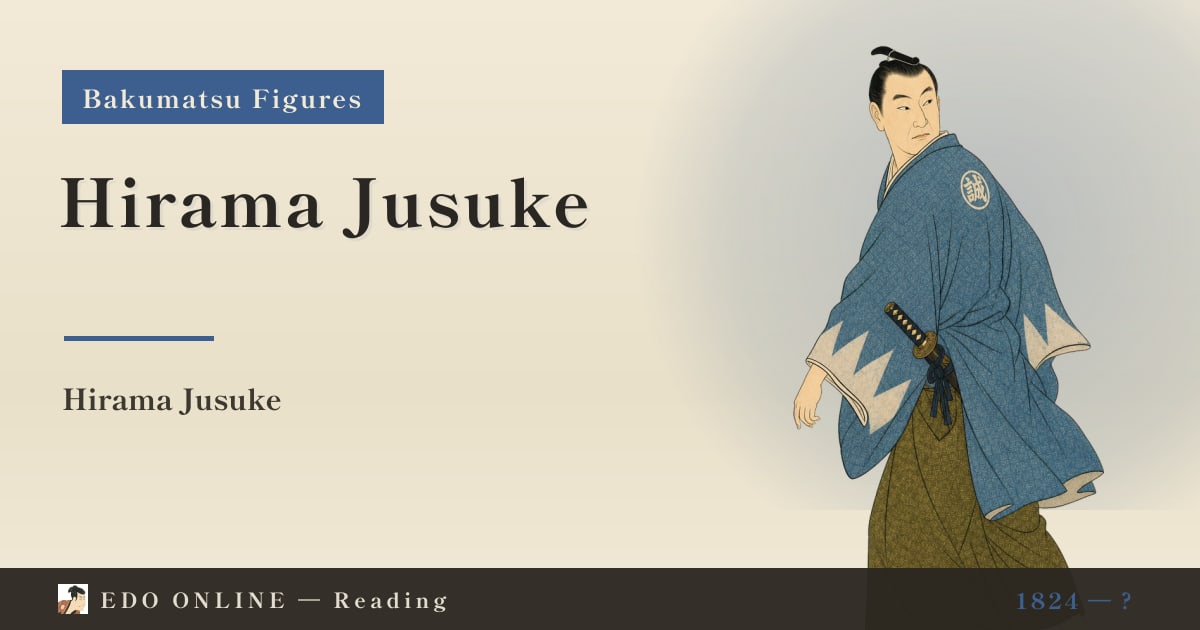
Hirama Jusuke — The One Who Got Out of the Yagi House
Assistant vice-commander and paymaster of the Mibu Rōshi, and the one man of Serizawa Kamo's party who walked out of the Yagi house alive and escaped purging altogether. He then vanished from the record.
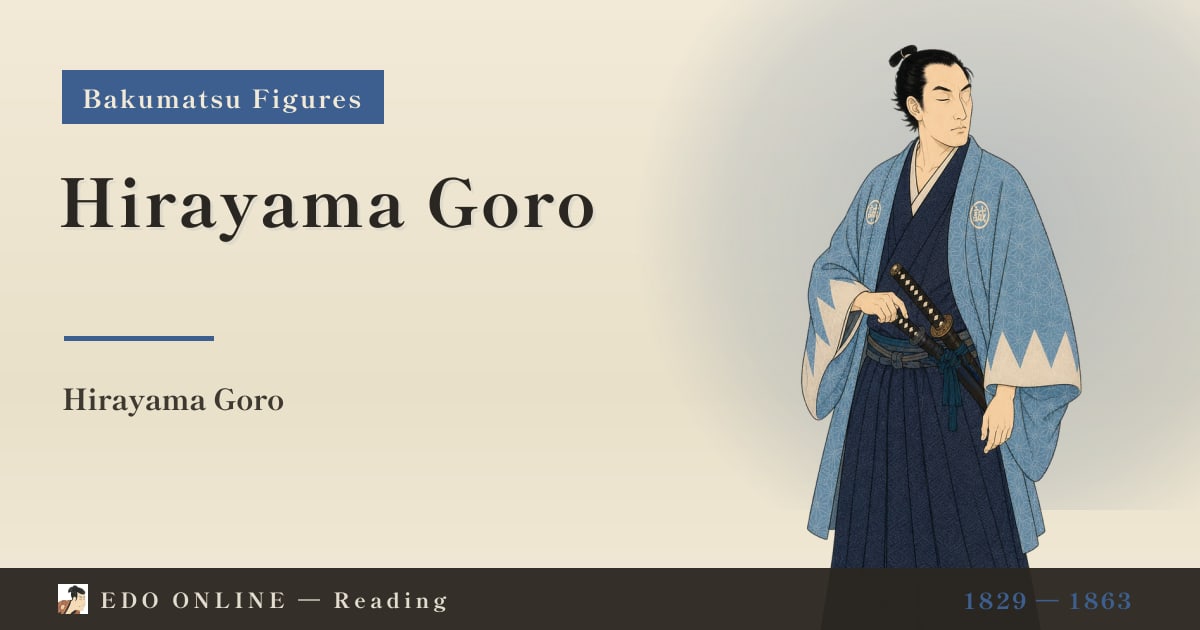
Hirayama Goro — Killed Beside Serizawa Kamo
A one-eyed Shintō Munen-ryū swordsman who rose to assistant vice-commander of the Mibu Rōshi and was cut down in the same room as Serizawa Kamo, his head severed from his body.
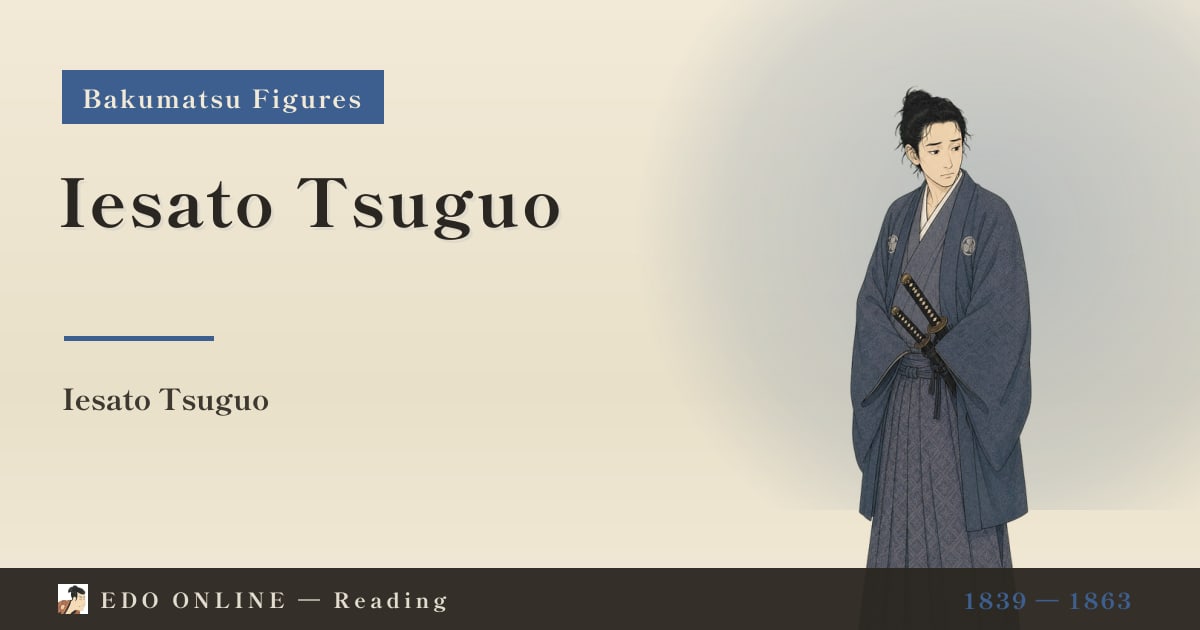
Iesato Tsuguo — Isolated, Then Made to Die by Serizawa Kamo
Charged by the shogunate, alongside Tonouchi Yoshio, with organising the Mibu Rōshi. Left with no faction behind him, he fled and was made to commit seppuku at Osaka at twenty-five.
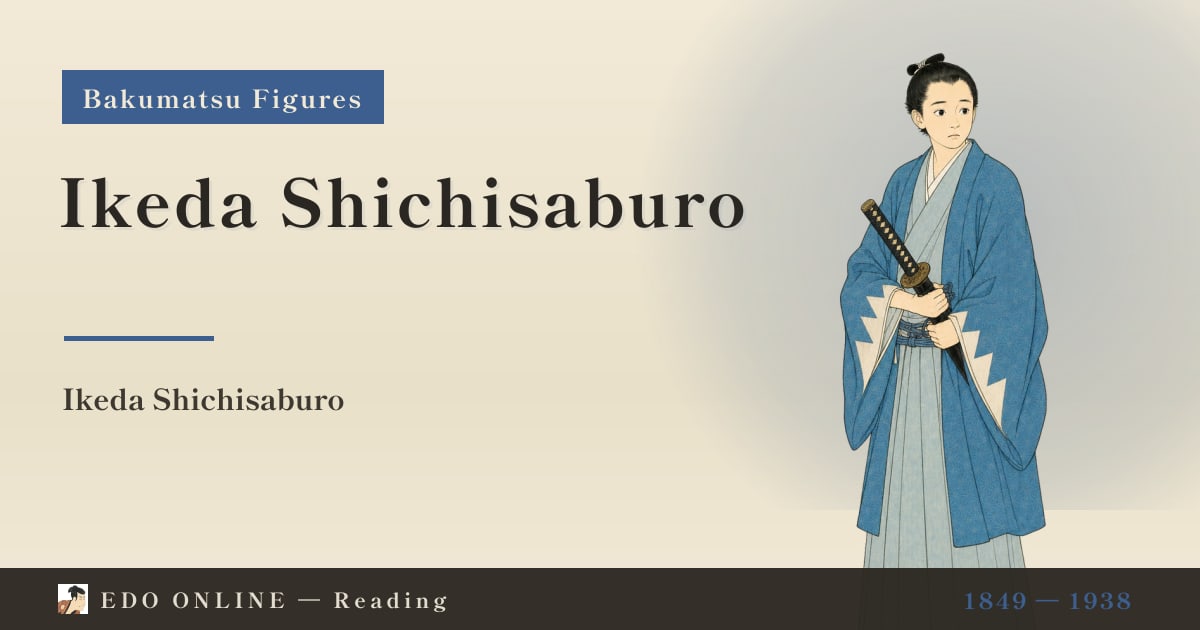
Ikeda Shichisaburo — The Last Shinsengumi Member, Died 1938
A merchant's son who joined to become a samurai, was badly wounded at Katsunuma and saved by farmers, and lived as a shopkeeper until 1938. His dictated memoir is the last surviving member's account.
Kano Washio — The Man Who Identified Kondo Isami at Itabashi
A Shinsengumi corporal turned Goryō Eji, he rode in the ambush of Kondo Isami on the Fushimi road and then, at the Itabashi inspection, recognised him through the false name he had surrendered under. He died in Tokyo in 1902.
Kawai Kisaburo — The Shinsengumi Paymaster Made to Die Over Money
Son of a wealthy rice merchant, he kept the Shinsengumi's accounts and was forced to commit seppuku in 1866. The reasons given contradict each other, and the money from his family arrived just too late.
Kazurayama Takehachiro — He Denounced Kondo Isami and Died for It
Rewarded for hard fighting at the Ikedaya, he co-signed a five-point indictment of Kondo Isami's conduct to the Aizu domain. After the quarrel was patched up, he alone was made to cut his belly.
Kondo Yoshisuke — The Shinsengumi Corporal Who Became a Lawyer
A corporal who fought as far as Aizu, concealed his Shinsengumi service under interrogation, and went on as Kawamura Saburō to practise law in Yokohama and sit in the prefectural assembly. His letters are valued source material.
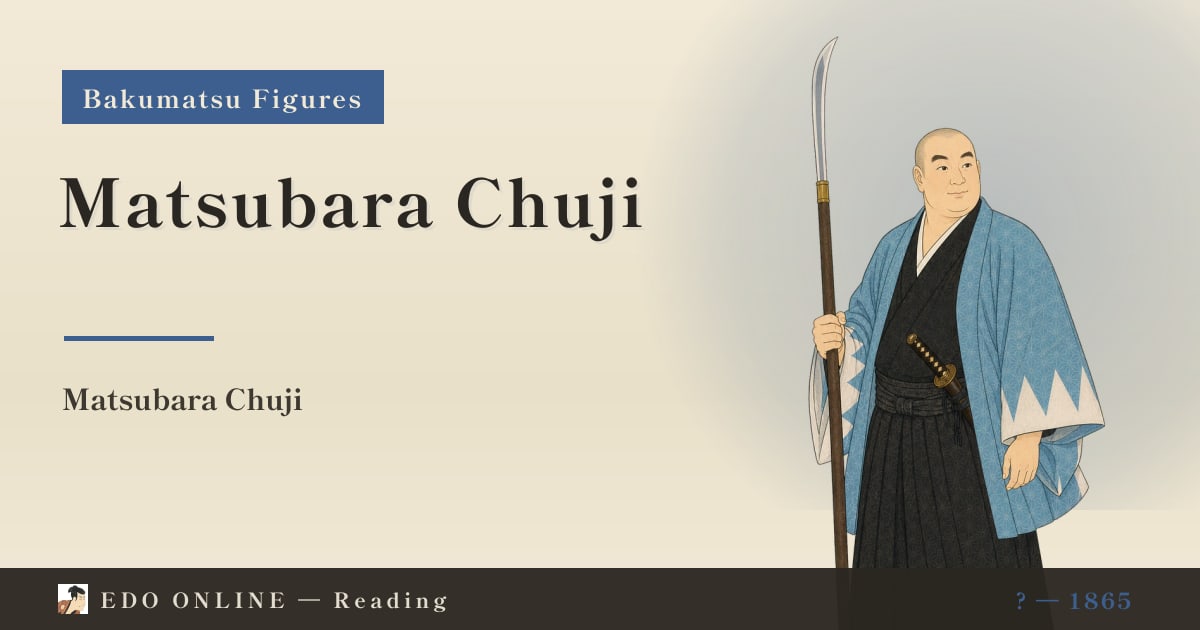
Matsubara Chuji — The Shinsengumi's "Modern Benkei"
A jūjutsu master who founded his own school, stood guard with a shaven head and a great naginata, and was remembered in Mibu as one of the corps' two kind men. His death is recorded as illness and told several other ways.
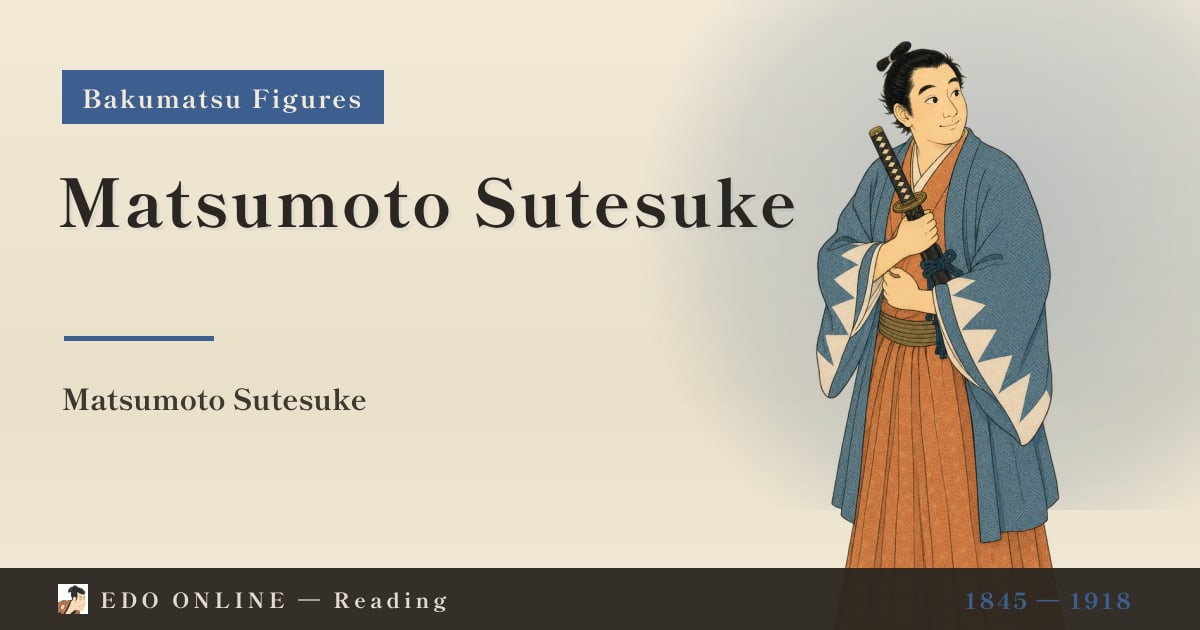
Matsumoto Sutesuke — Turned Away, and Admitted Four Years Later
A kinsman of Hijikata Toshizō who trained at Kondo's school but was refused as an eldest son. He talked his parents round and finally joined in 1867, in time only for the retreat. He lived until 1918 as a rice dealer.
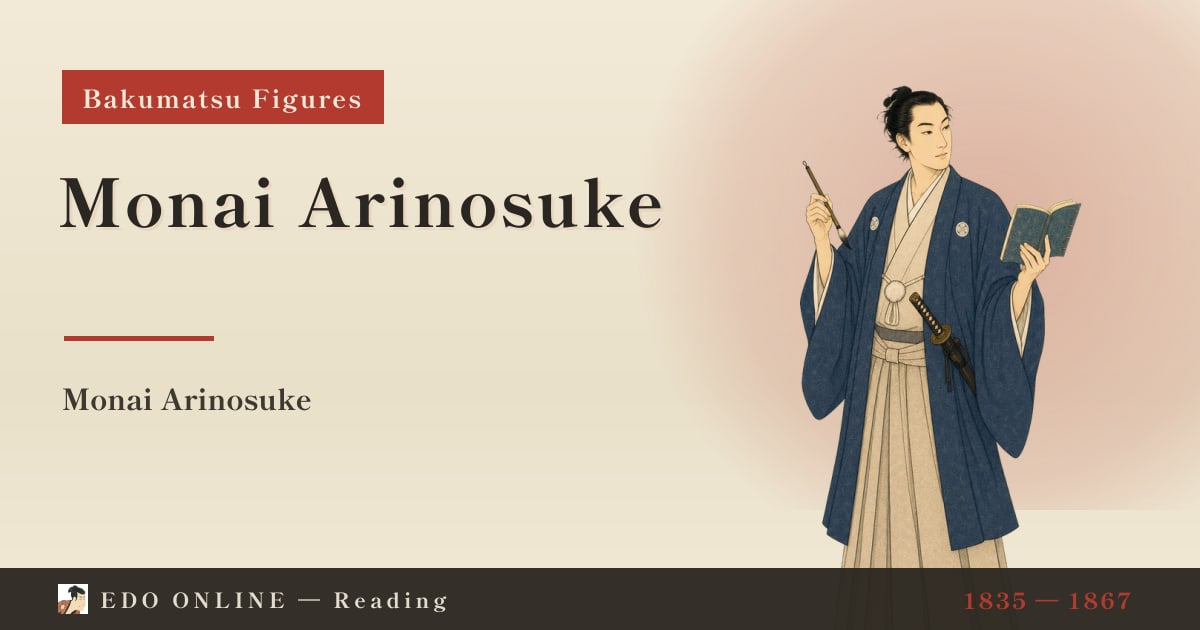
Monai Arinosuke — The Shinsengumi's "Hundred Skills"
Second son of a Tsugaru domain steward who made his living by learning, he served the Shinsengumi as instructor in letters and inspector, was nicknamed for being good at everything, and was hacked down at Aburanokōji at thirty-two.
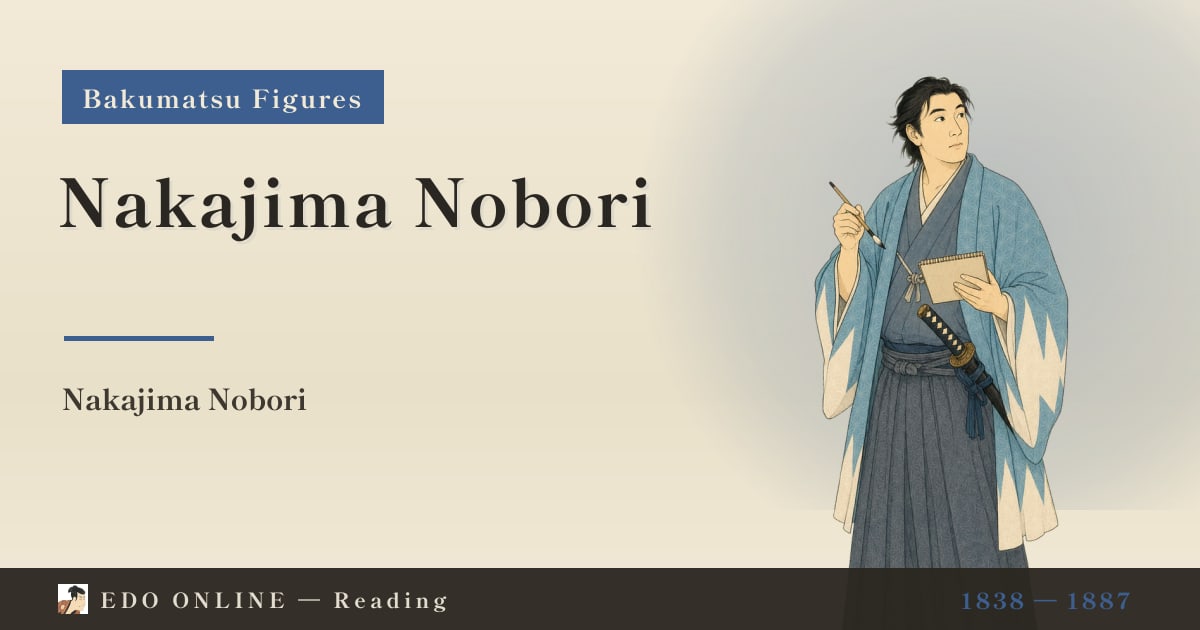
Nakajima Nobori — The Corporal Who Drew His Comrades' Faces
A Tama farmer's son who rose to Shinsengumi corporal, fought to Hakodate and lived to 1887. His picture-scroll of fellow members is one of the few likenesses drawn by someone who was actually there.
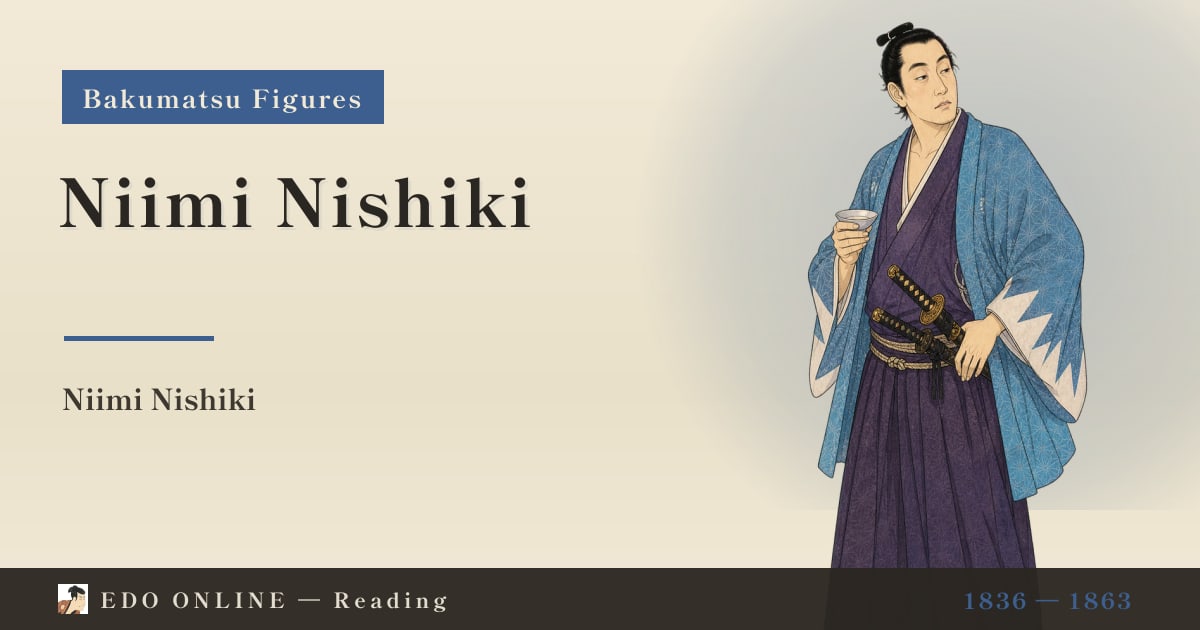
Niimi Nishiki — The Early Shinsengumi Officer Nobody Remembers
He ranked with Kondo Isami and Serizawa Kamo as a commander of the Mibu Rōshi, yet left almost no trace of activity, two irreconcilable dates for his forced suicide, and a serious case that the name was an alias.
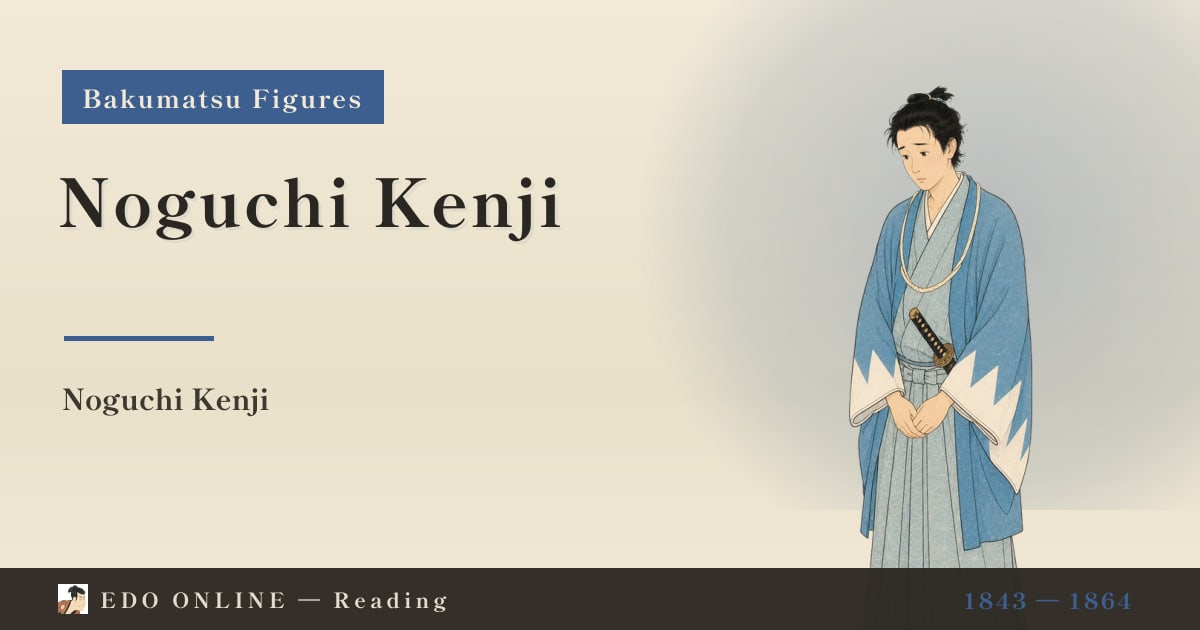
Noguchi Kenji — Survived the Night, Made to Die Three Months Later
The one man of the Mito faction who survived the night Serizawa Kamo was assassinated. Three months later he was suddenly ordered to commit seppuku, at twenty-one, for reasons nobody recorded.
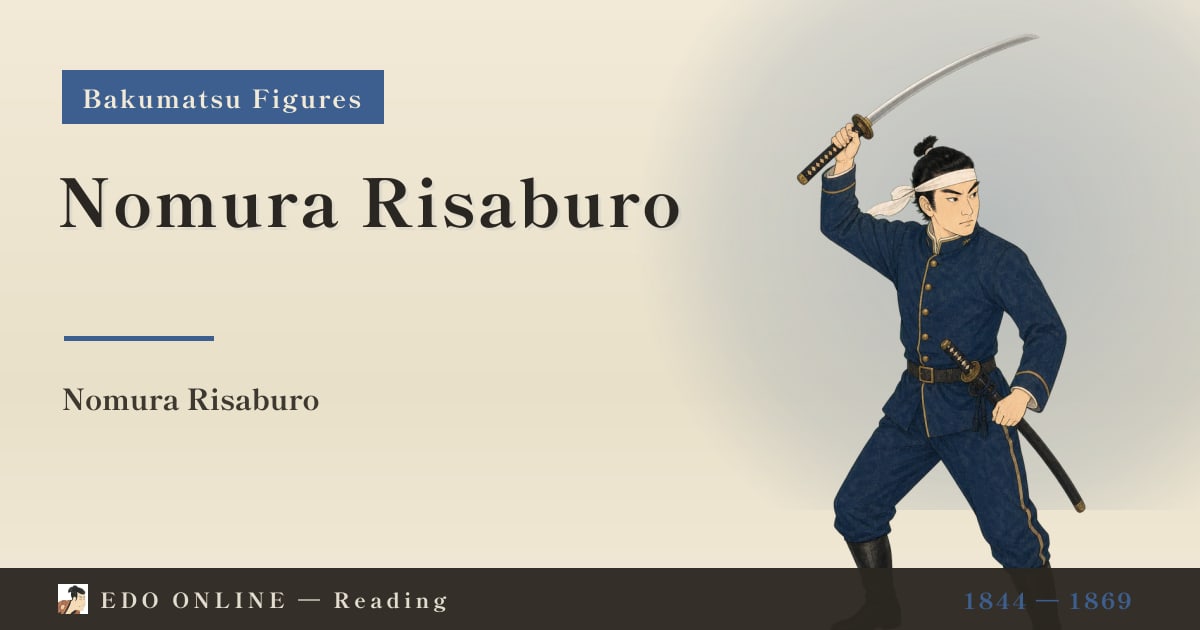
Nomura Risaburo — Killed Boarding an Ironclad at Miyako Bay
Spared execution by Kondo Isami's own plea, he fought north to Hakodate and died a year later leading the boarding party onto the ironclad Kōtetsu. His body was thrown into the sea.
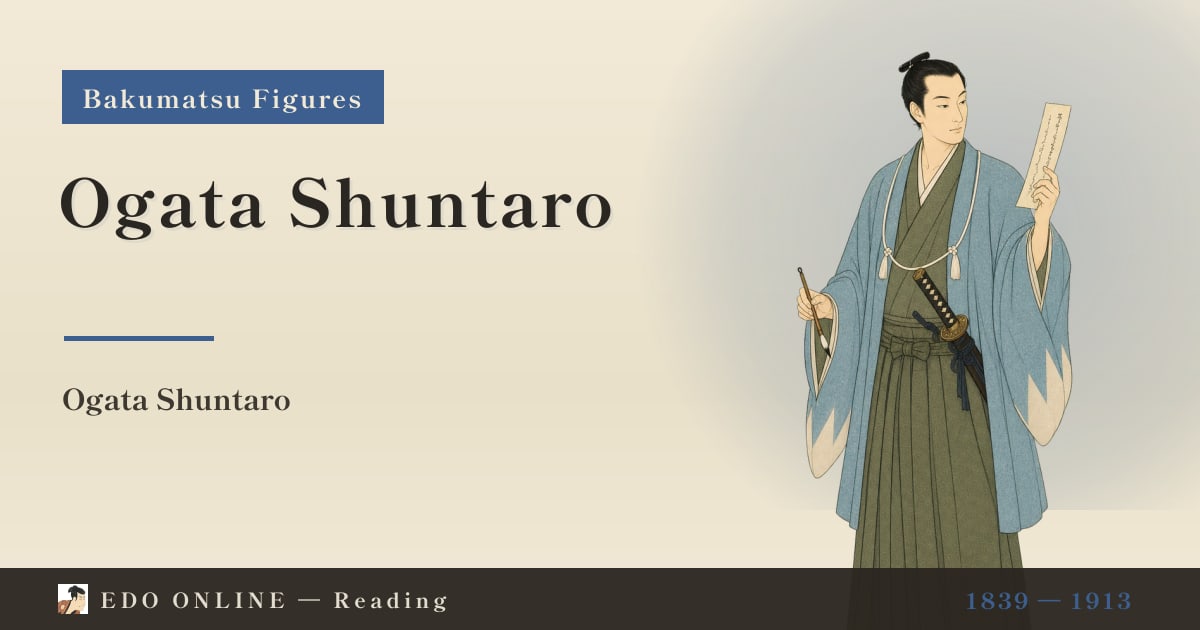
Ogata Shuntaro — The Shinsengumi Scholar Traced 145 Years Later
Trusted by Kondo Isami and one of only two senior officers who stayed with the corps as far as Aizu, he vanished from the record in 1868. His later life surfaced in 2013 from a scroll his descendants donated.
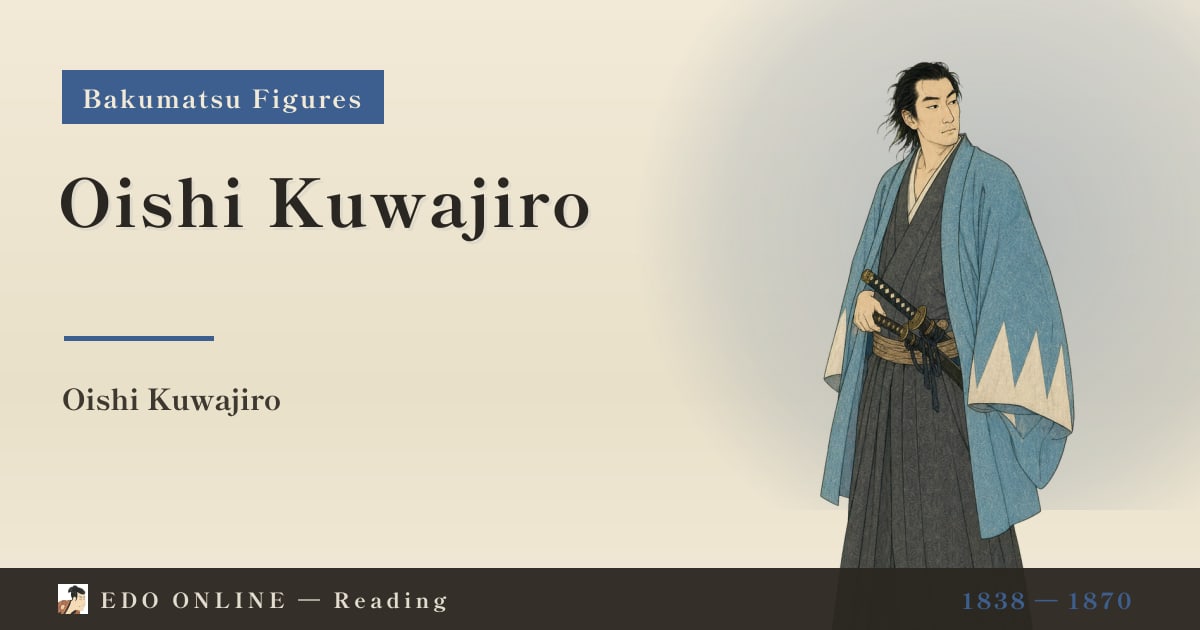
Oishi Kuwajiro — The Shinsengumi's Reputed Assassin
He killed the corps' staff officer Ito Kashitaro, confessed under torture to murdering Sakamoto Ryoma and then retracted it, and was beheaded in 1870. His nickname as a killer traces to an unreliable source.
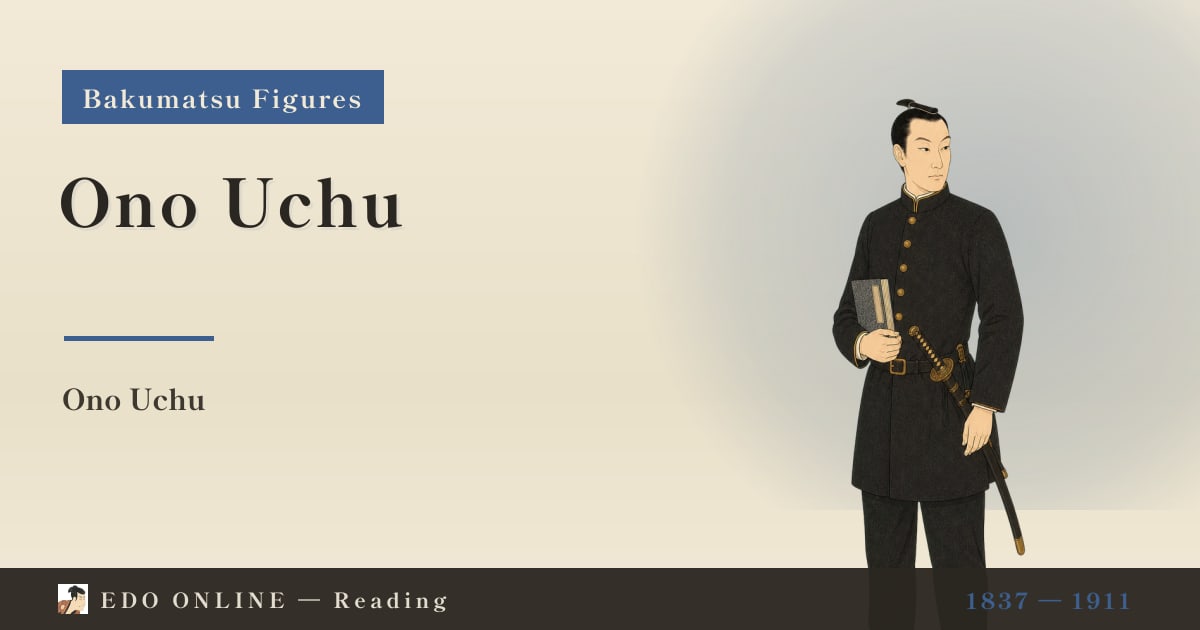
Ono Uchu — He Wrote Down the Day Hijikata Toshizo Died
A Karatsu retainer who joined the Shinsengumi at Sendai and served as Hijikata Toshizo's adjutant from Futamataguchi to the fall of Hakodate. His account of the campaign is the main record of the day Hijikata died.
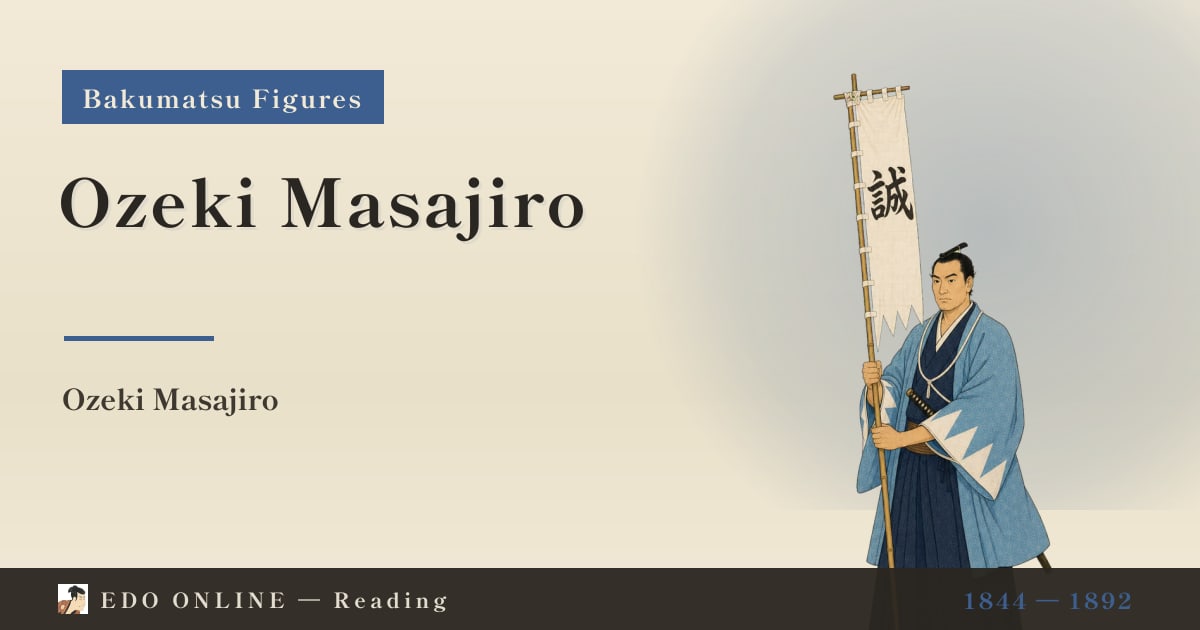
Ozeki Masajiro — The Man Who Carried the Banner
Standard-bearer at the head of the Mibu Rōshi's column, co-signatory of the petition against Kondo Isami, and a field officer at Aizu and Hakodate. He survived to 1892 without leaving a memoir.
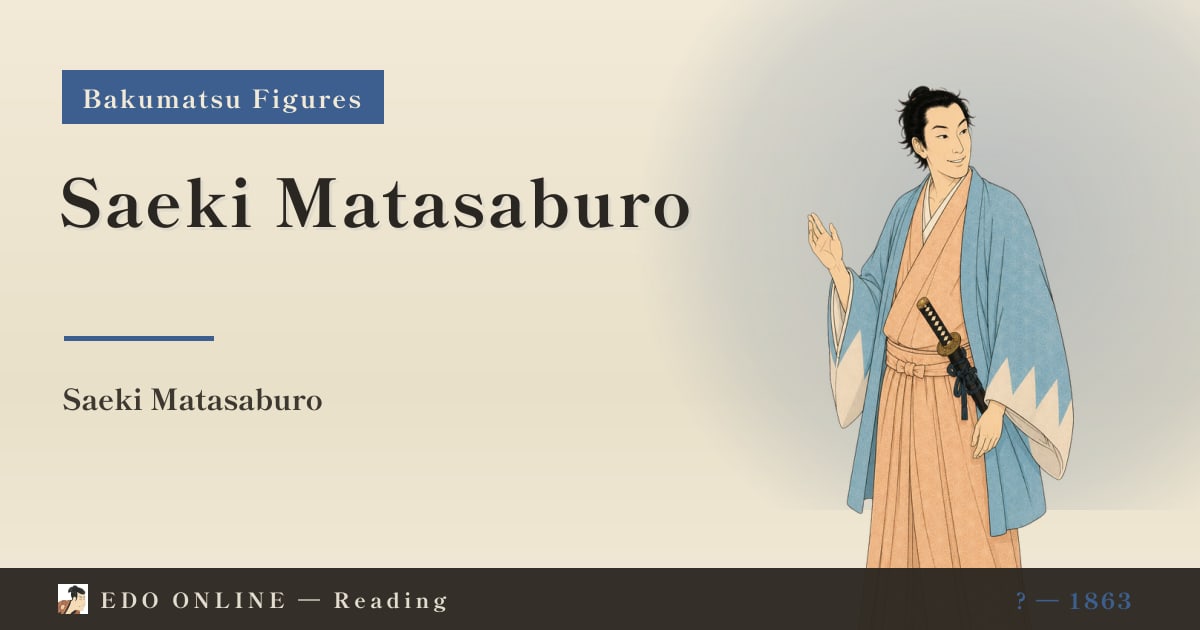
Saeki Matasaburo — Said to Be from Choshu, and Killed at Shimabara
Said to have come from Chōshū, he joined the Mibu Rōshi with Saito Hajime, rose to assistant vice-commander, and was killed at Shimabara. The name appears among Yoshida Shoin's students, and the accounts of his death do not agree.
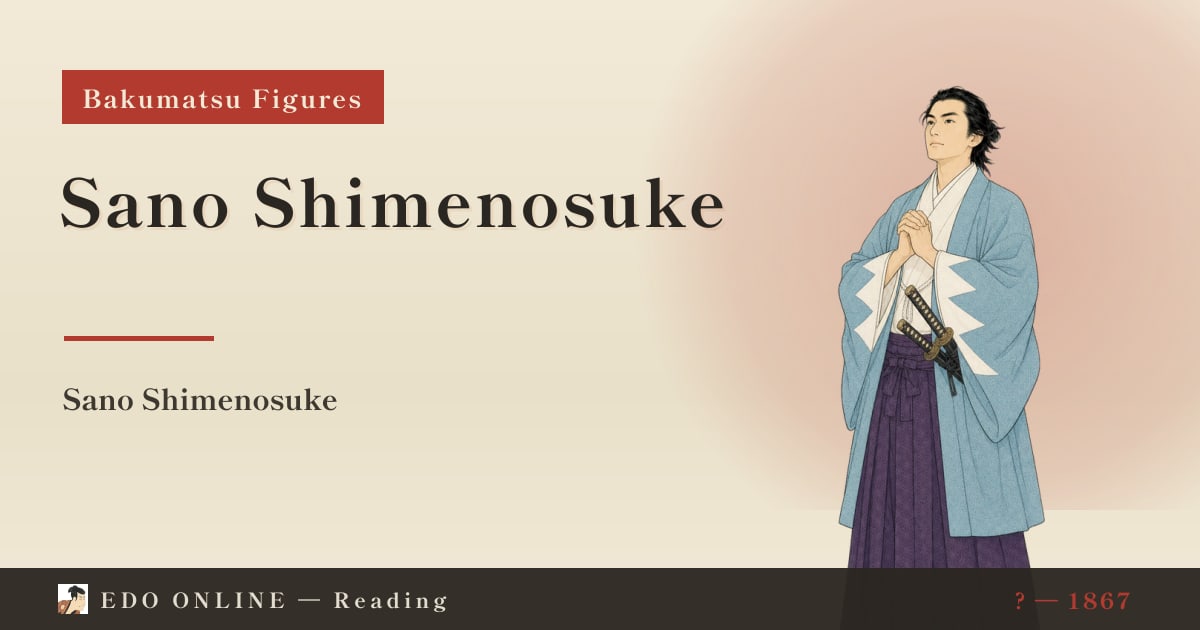
Sano Shimenosuke — He Refused to Become a Shogunal Retainer
Born to a Shintō priestly family and drawn to the imperial cause, he joined the Shinsengumi, refused its elevation to shogunal retainer status, was barred from the Goryō Eji, and died inside the Aizu residence with three comrades.
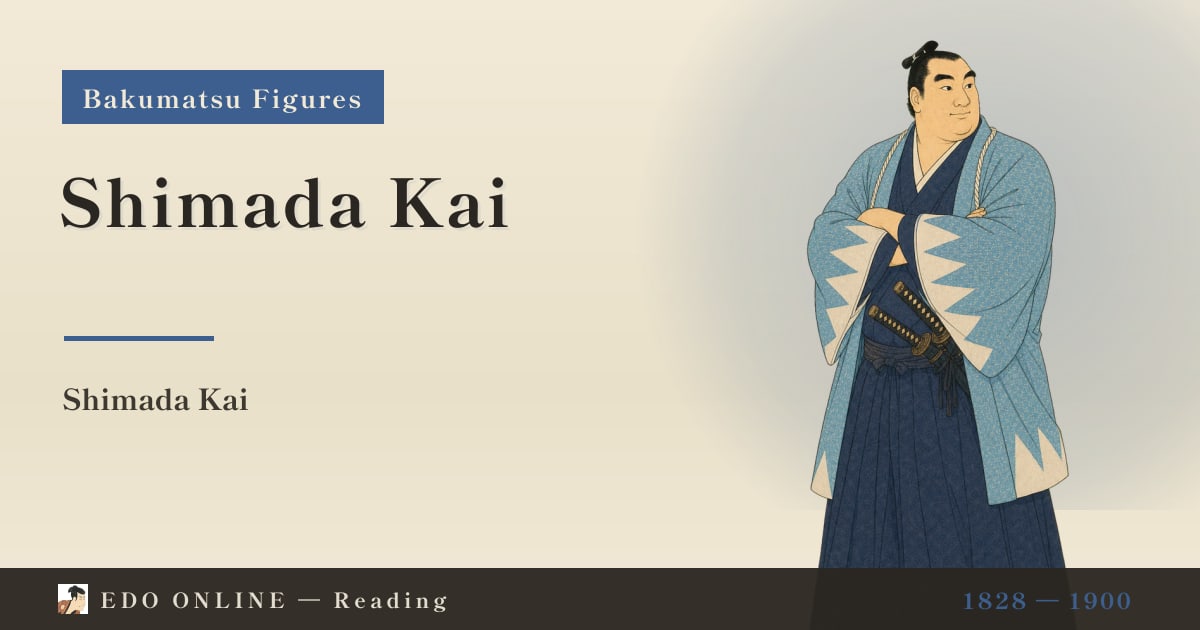
Shimada Kai — The Shinsengumi Man Who Lived to Write It Down
A six-foot giant of prodigious strength who fought all the way to Hakodate and lived until 1900, ending his days as a night watchman at Nishi Hongan-ji. His diary and hoarded papers are a foundation of Shinsengumi scholarship.
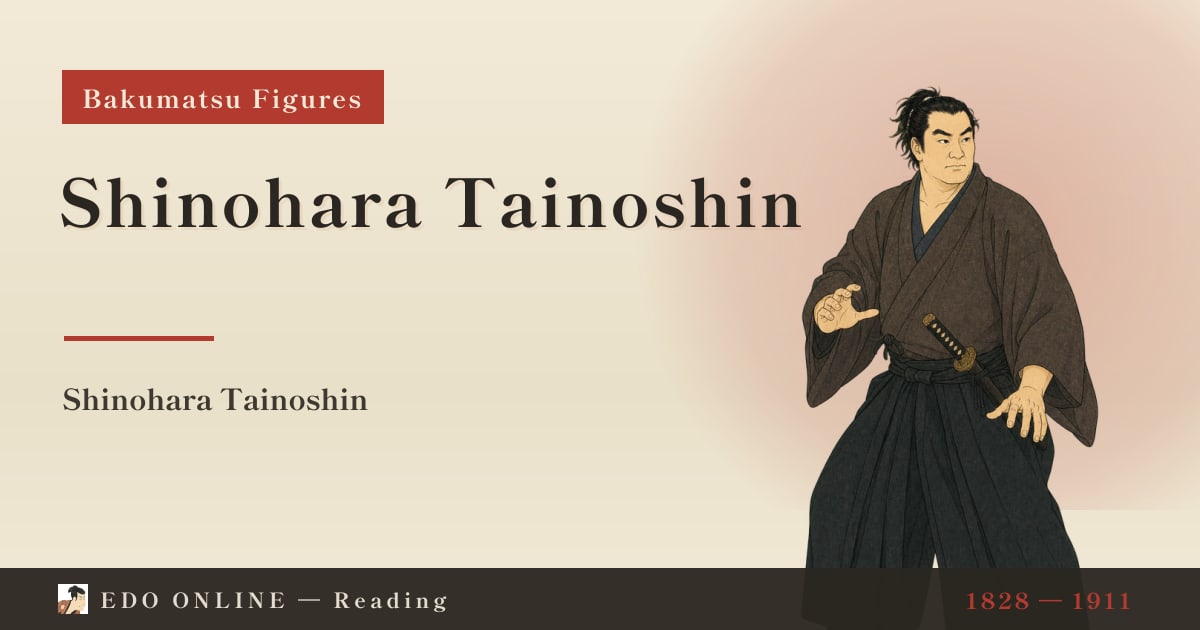
Shinohara Tainoshin — In the Party That Ambushed Kondo Isami
Inspector and jūjutsu instructor of the Shinsengumi, then a defector who rode in the party that ambushed and wounded Kondo Isami. He lived until 1911 as Hata Shigechika and converted to Christianity in old age.
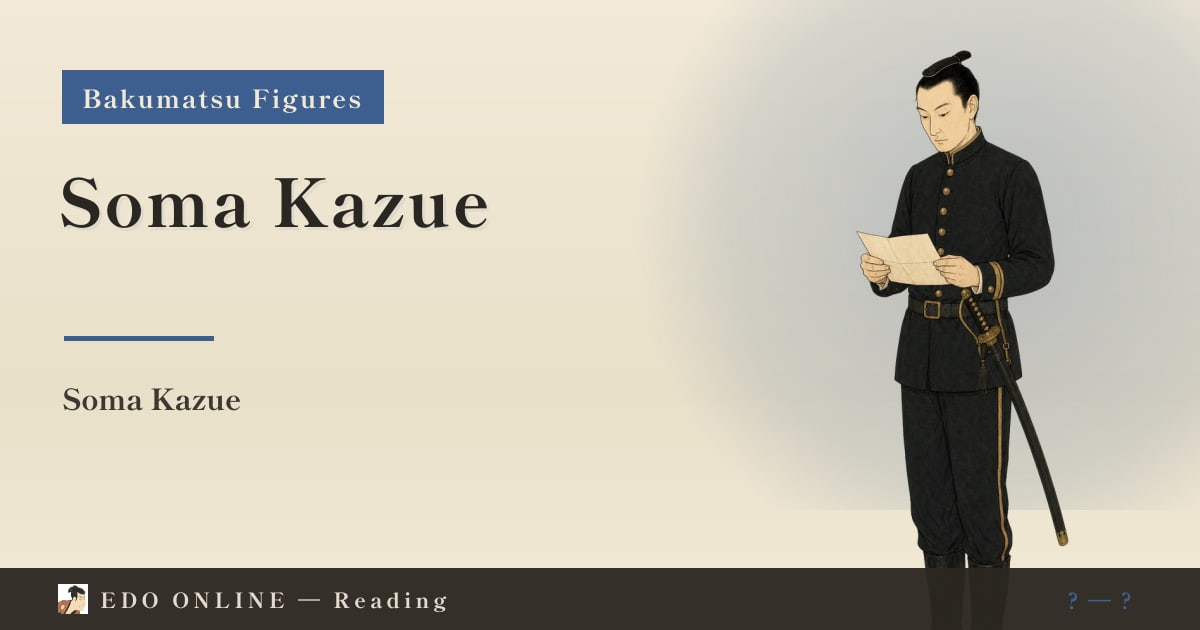
Soma Kazue — The Last Commander of the Shinsengumi
With Hijikata Toshizo dead at Hakodate, he signed the surrender as commander and closed the Shinsengumi's history. Kondo Isami had saved his life a year earlier; his own death remains unaccounted for.
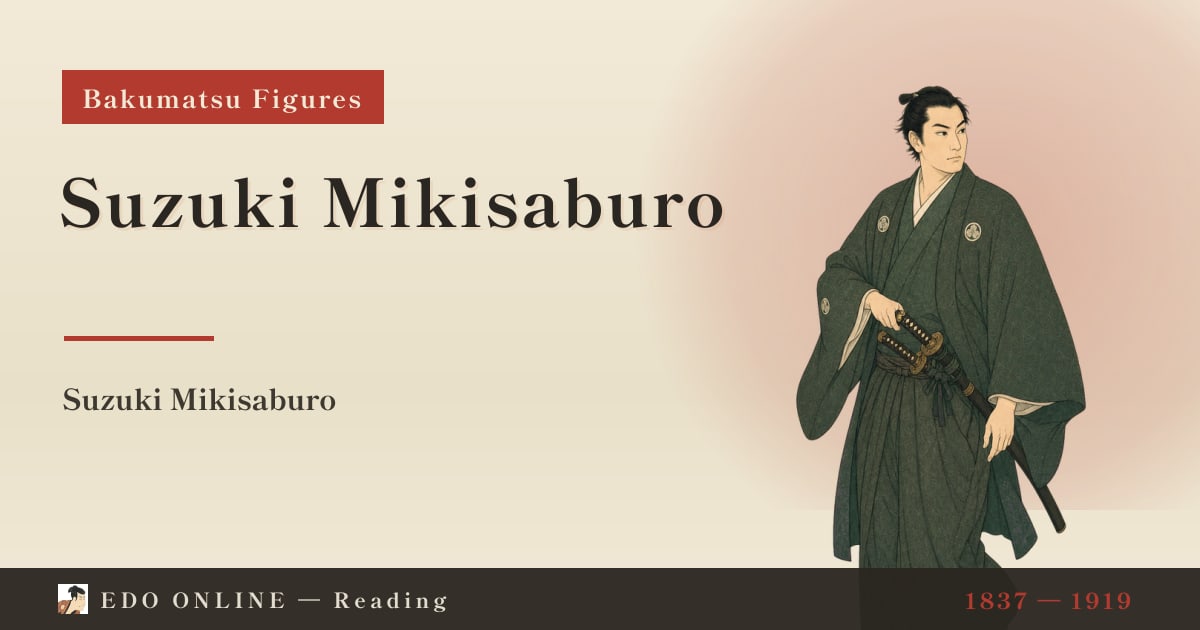
Suzuki Mikisaburo — Shinsengumi Captain Who Changed Sides
Younger brother of the Shinsengumi's staff officer Ito Kashitaro, captain of the ninth unit, then a defector who fought the corps he had led. He outlived every other Shinsengumi unit captain, dying in 1919.
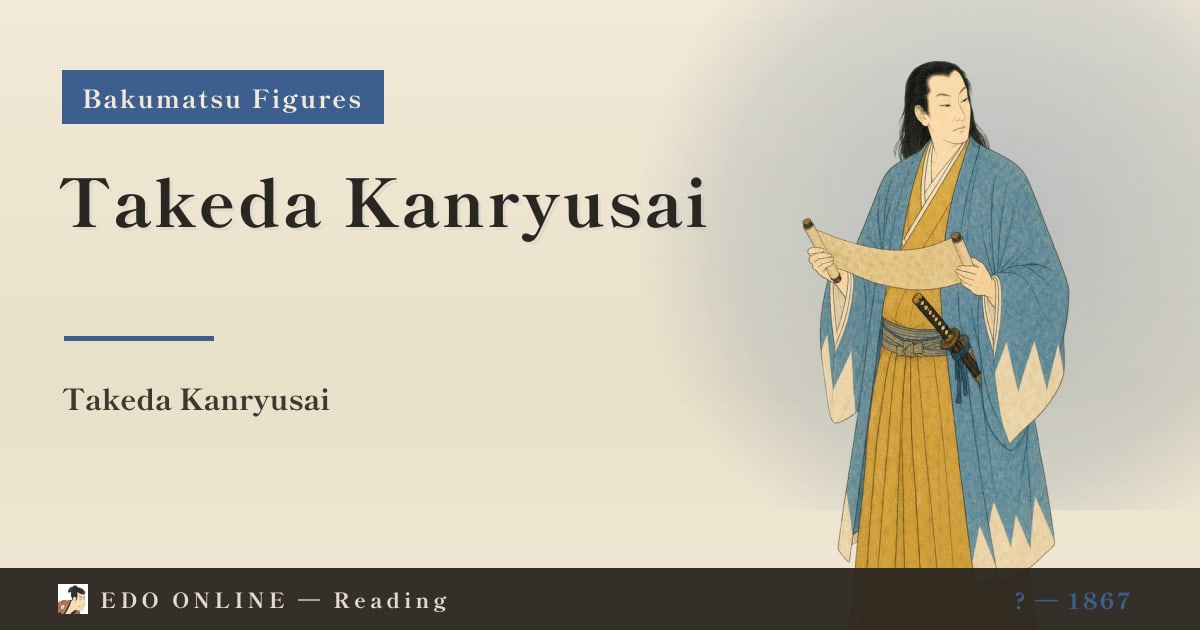
Takeda Kanryusai — The Shinsengumi Captain Made Obsolete
He rose to captain of the fifth unit and the corps' military instructor on the strength of Kōshū-school military science, is generally said to have lost his value as French drill came in, and was assassinated after leaving.
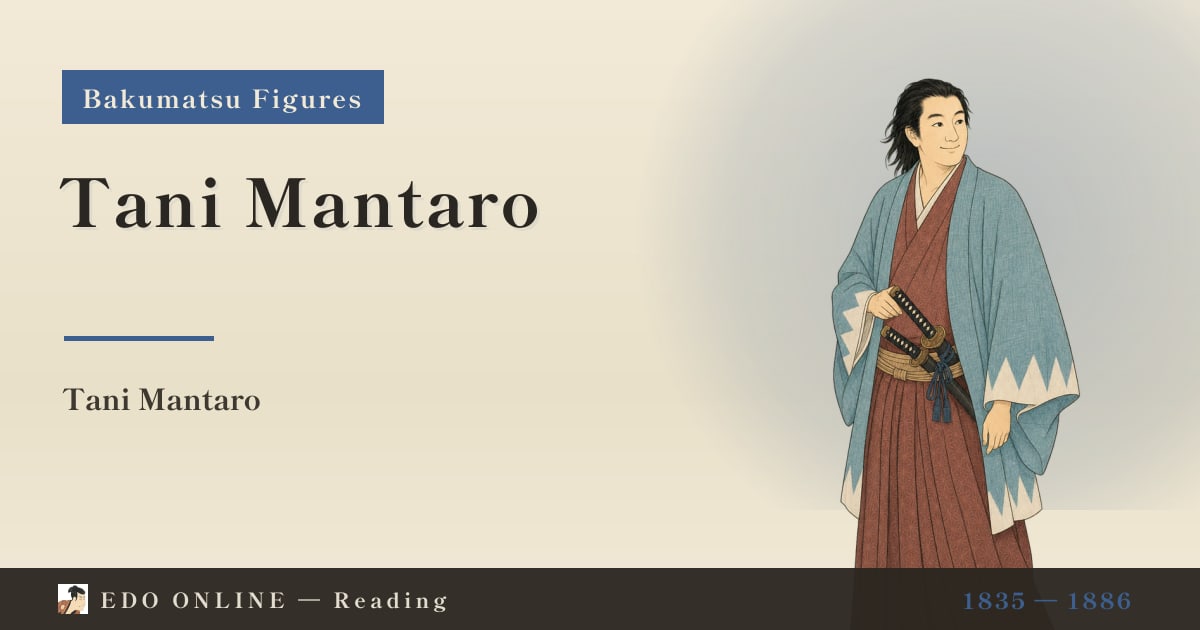
Tani Mantaro — The Brother Who Ran the Osaka Barracks
Middle brother of the Tani family, he joined the Shinsengumi, killed Ōri Teikichi in the Zenzaiya affair, and headed the corps' Osaka barracks. He was later nominated to lead a Meiji sword unit, then ended up a merchant's bodyguard.
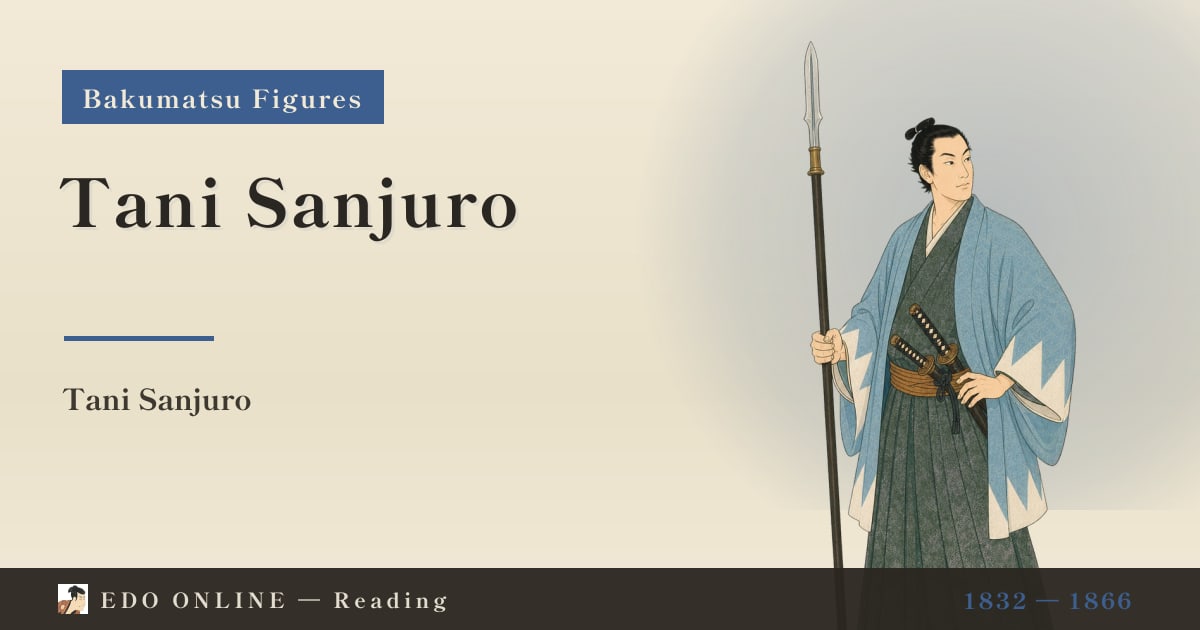
Tani Sanjuro — The Shinsengumi Captain Whose Brother Kondo Adopted
Head of a samurai house extinguished by scandal, he rebuilt himself in Osaka, rose to captain of the Shinsengumi's seventh unit, and saw his youngest brother adopted by Kondo Isami. He died suddenly at Gion, cause unknown.
Tani Shuhei — Kondo Isami's Adopted Son
He joined the Shinsengumi at fifteen or sixteen, was adopted by Kondo Isami and took his name, then reverted to Tani after his brother's death. He drifted through the Meiji era and died at Kobe in 1901.
Tomiyama Yahei — The Satsuma Man in the Shinsengumi
A Satsuma retainer's son who joined the Shinsengumi under suspicion of spying, defected with the Goryō Eji, shot at Kondo Isami, and was run through some fifty times in Echigo. His captors praised him on the placard beside his head.
Tonouchi Yoshio — The First Man the Shinsengumi Killed
Placed over the Mibu Rōshi on the shogunate's authority rather than a faction of his own, he was plied with drink and cut down on the Shijō bridge in travelling clothes, his sword still in its bag.
Yokokura Jingoro — Died in Custody Over the Ryoma Accusation
A Tama man who joined the Shinsengumi and fought to Hakodate. After surrendering he was sent to Tokyo on suspicion of the murders of Sakamoto Ryoma and Ito Kashitaro, and died in prison in 1870.
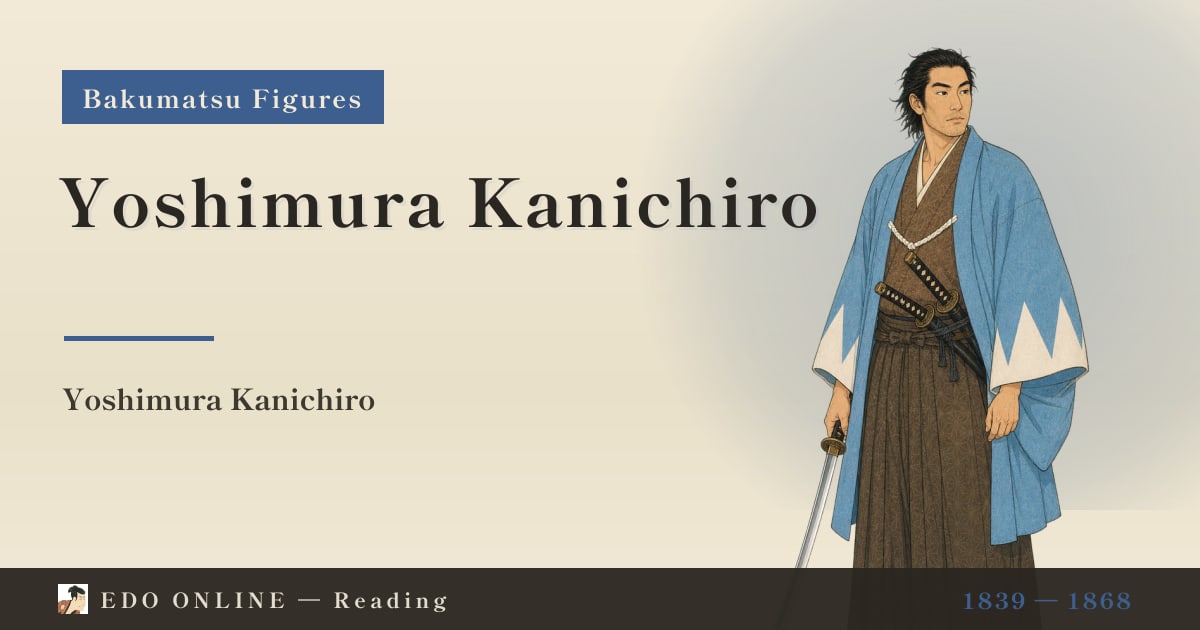
Yoshimura Kanichiro — The Real Man Behind the Novel
An inspector and fencing instructor of the Shinsengumi from the Morioka domain, probably killed at Toba-Fushimi. The famous portrait of a poor man working for his wife and children is almost entirely invention.
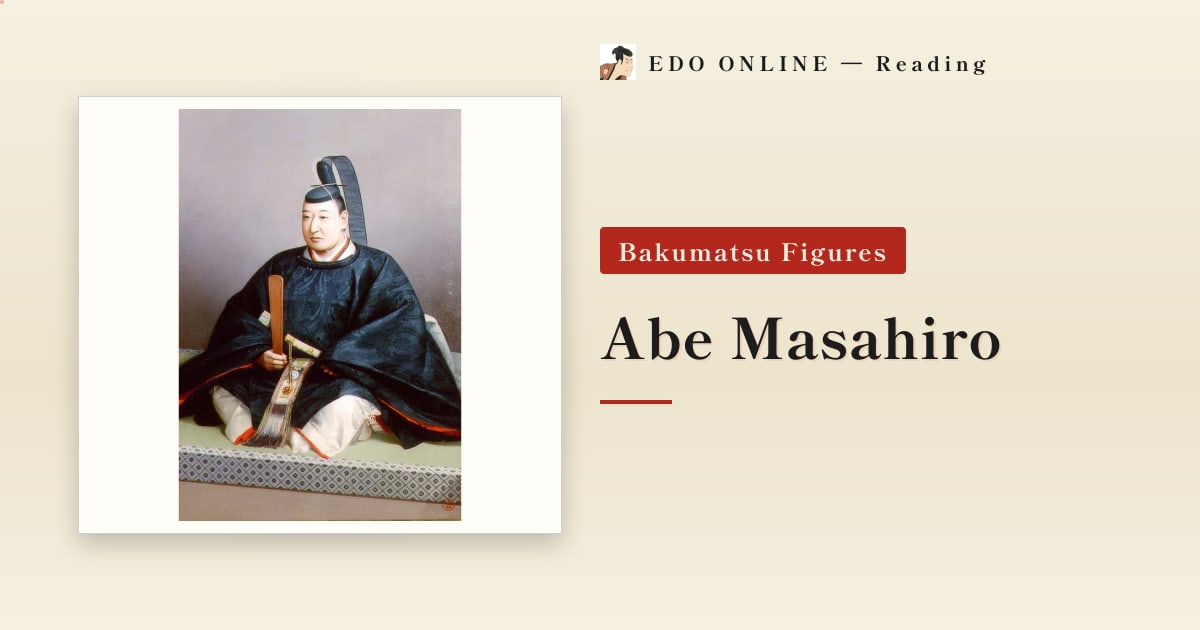
Abe Masahiro — The Man in Charge When the Black Ships Came
He ran the Tokugawa shogunate when Perry arrived, and did something no one had done before — he circulated the American letter and asked the whole country what it thought. He was dead at thirty-seven.
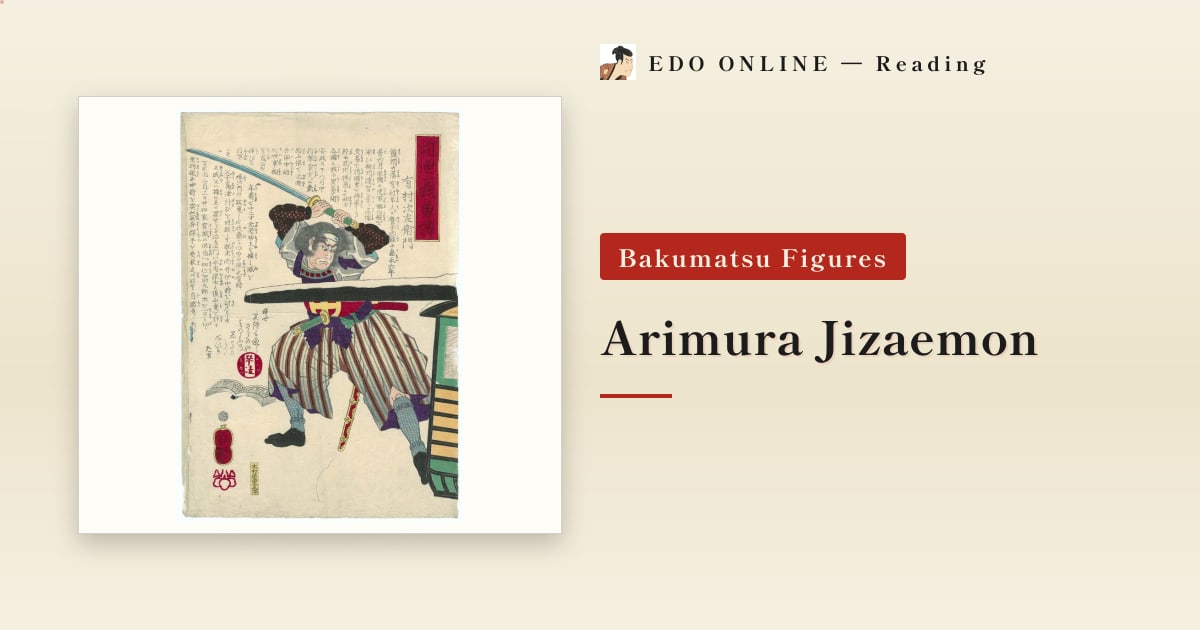
Arimura Jizaemon — The Man Who Killed Ii Naosuke
Eighteen men attacked the shogunate's chief minister outside Edo Castle in the snow. Seventeen were from Mito. The one from Satsuma was the one who finished it, and he was barely into his twenties.
Chiba Shusaku — The Swordsman Who Made Fencing Teachable
He founded the Hokushin Itto-ryu and ran the largest fencing school in Edo. His real achievement was rationalising instruction so thoroughly that training that once took a decade took a few years.
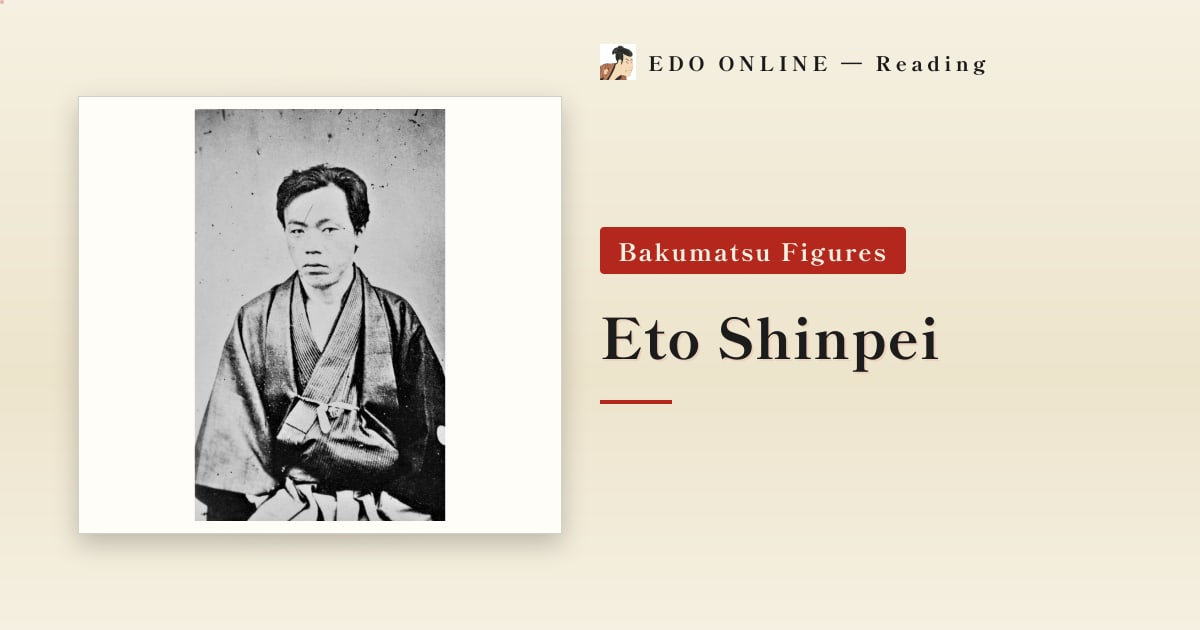
Eto Shinpei — The Man Who Built Japan's Courts and Died Without One
Japan's first justice minister created its court system, argued for judicial independence, and prosecuted the heroes of the Restoration for corruption. Two years later he was beheaded and his head put on display.
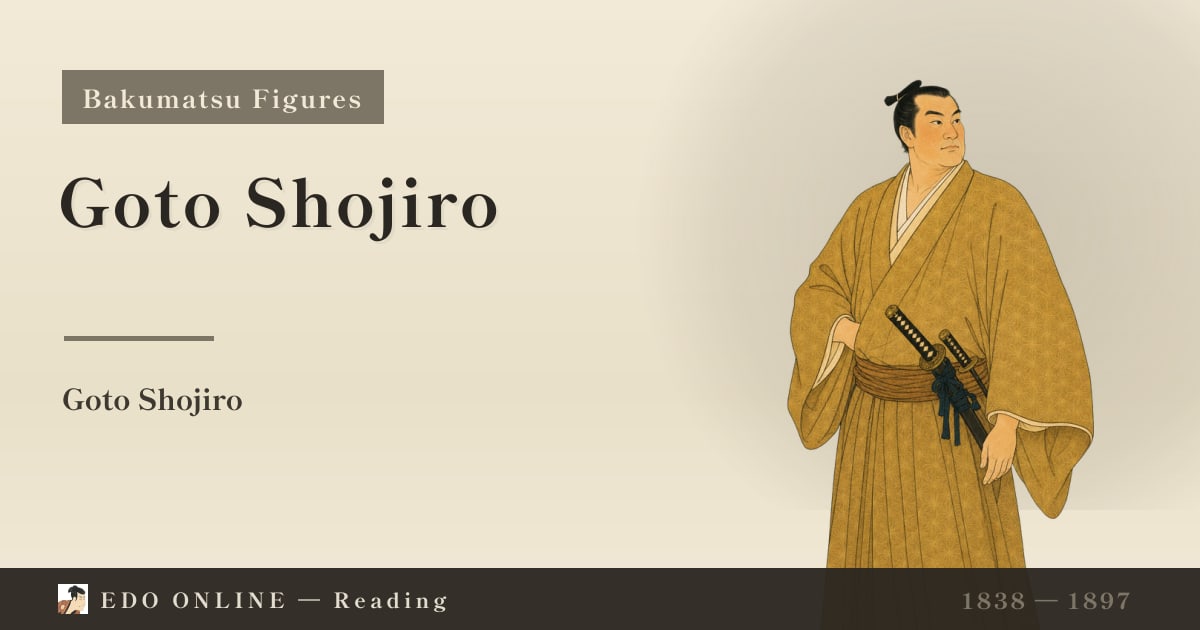
Goto Shojiro — The Man Who Made Tosa Propose the Return of Power
He allied with Sakamoto Ryoma and pushed Yamauchi Yodo into petitioning the shogun to hand power back. He had also sent Takechi Hanpeita to his death, and later served as a cabinet minister.
Hotta Masayoshi — The Minister Who Asked the Emperor and Was Refused
He made his domain a centre of Dutch learning and drove the commercial treaty with Townsend Harris. Then he travelled to Kyoto for imperial sanction, was refused, and in asking proved the shogunate could no longer decide alone.
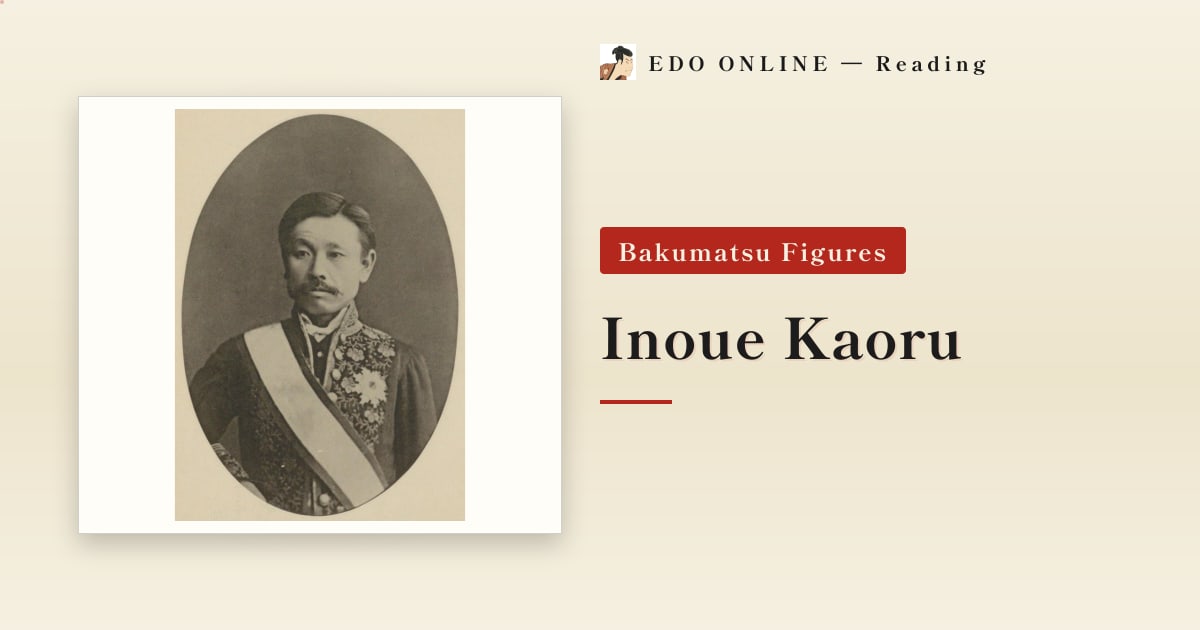
Inoue Kaoru — Smuggled to London, Sewn Up With a Tatami Needle
He burned a British legation, then smuggled himself to London and came back convinced. Nearly killed by his own domain's reactionaries, he survived to become Japan's first foreign minister.
Irie Kuichi — The Foot Soldier's Son Who Said Yes to Shoin
When Yoshida Shoin proposed his most dangerous plan, the students who agreed were two brothers from a foot soldier's household. Irie Kuichi killed himself in Kyoto at twenty-seven.
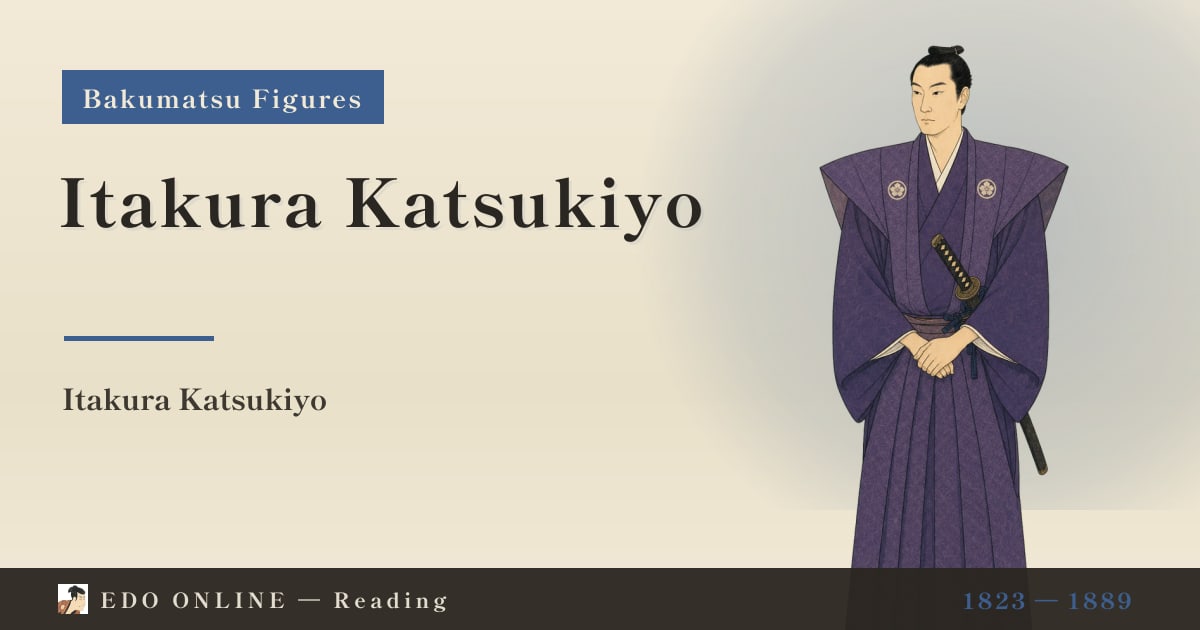
Itakura Katsukiyo — The Shogunate's Last Chief Senior Councillor
Grandson of the reformer Matsudaira Sadanobu, he rebuilt a bankrupt domain with the scholar Yamada Hokoku, presided as chief councillor when the shogun returned power, and fought on to Hakodate.
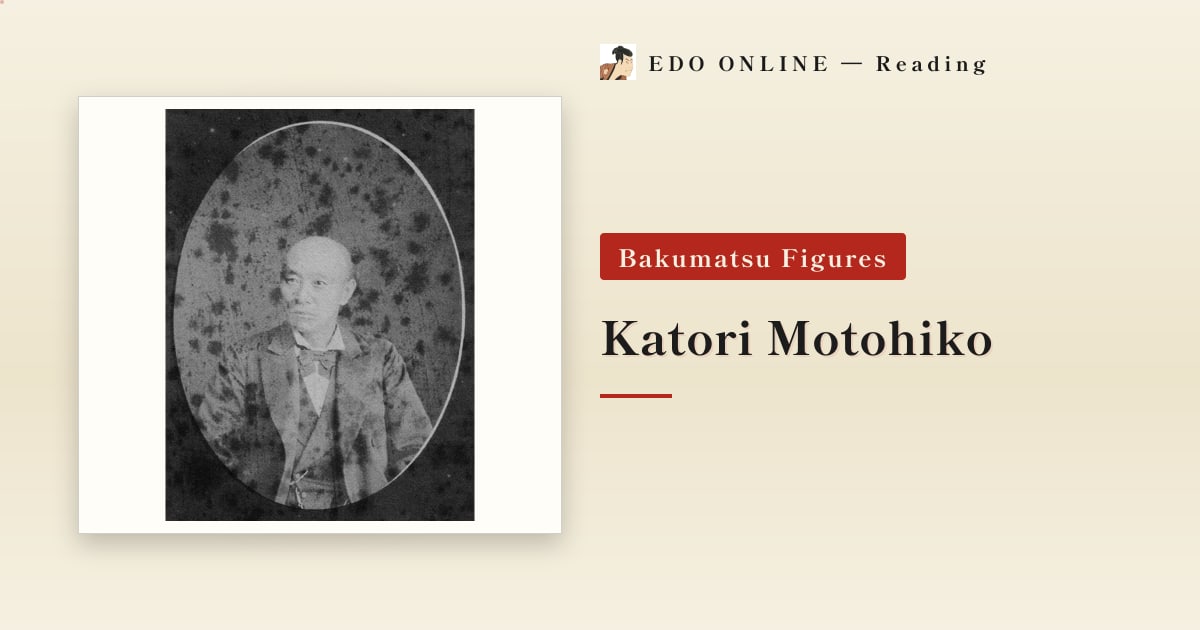
Katori Motohiko — Married to Both of Shoin's Sisters, and the Man Who Built Gunma
He married Yoshida Shoin's sister, and after her death married Shoin's other sister — the widow of Kusaka Genzui. As Gunma's first governor he built its silk industry and its schools.
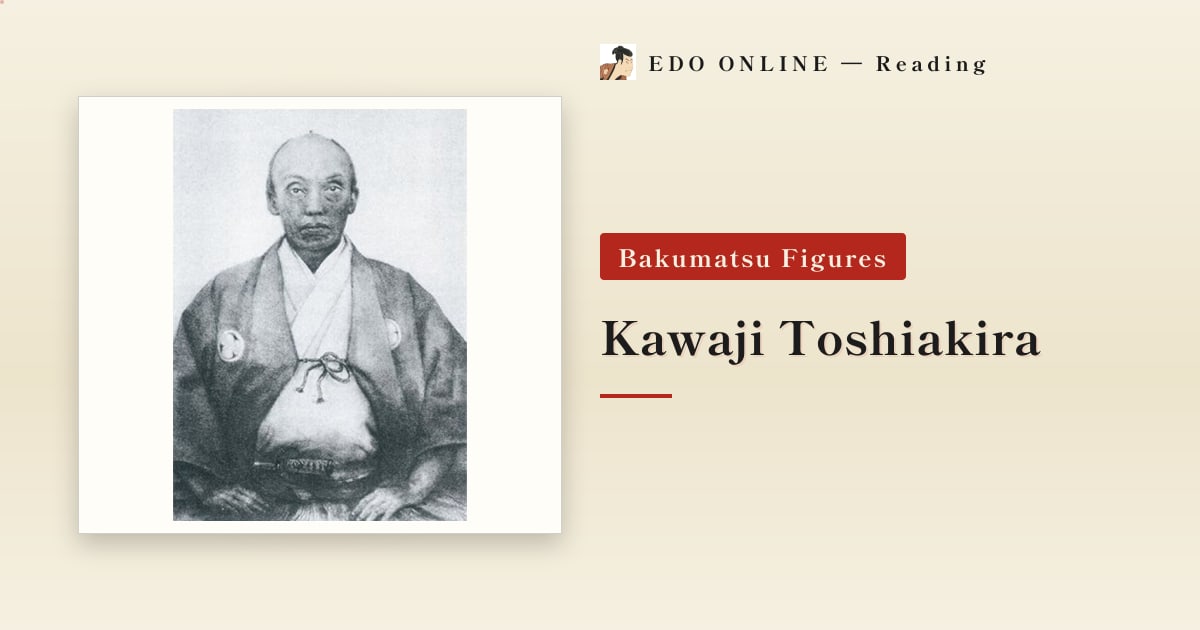
Kawaji Toshiakira — The Bureaucrat Who Negotiated With Russia and Died With the Shogunate
His family bought its way into shogunal service. He rose on ability alone to finance commissioner, drew the Kuril border with Russia, and shot himself on the day the assault on Edo Castle had been set for.
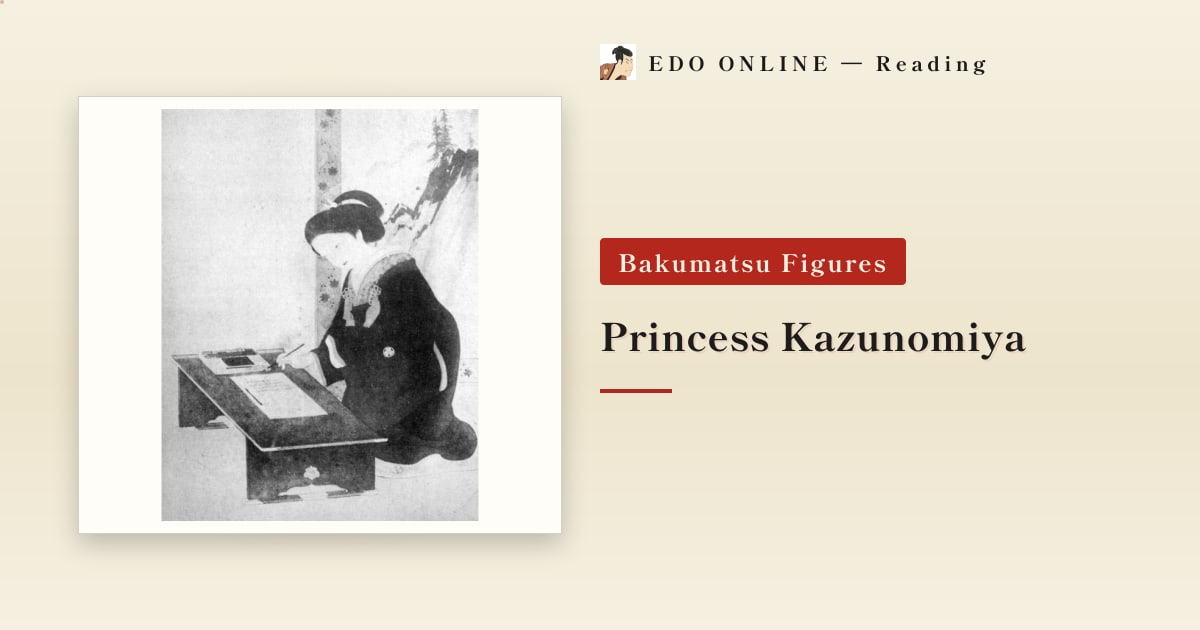
Princess Kazunomiya — The Imperial Bride Sent to the Shogun
Betrothed as a small child, she was married off to the fourteenth shogun to bind the court to the shogunate. When the war came she fought to save her husband's house, and asked to be buried beside him.
Kijima Matabei — The Charge Takasugi Shinsaku Could Not Stop
A spearman who took up the sword again in his forties, he led Choshu's vanguard into Kyoto over Takasugi Shinsaku's furious objections. He was shot near the Hamaguri Gate and killed himself, aged forty-seven.
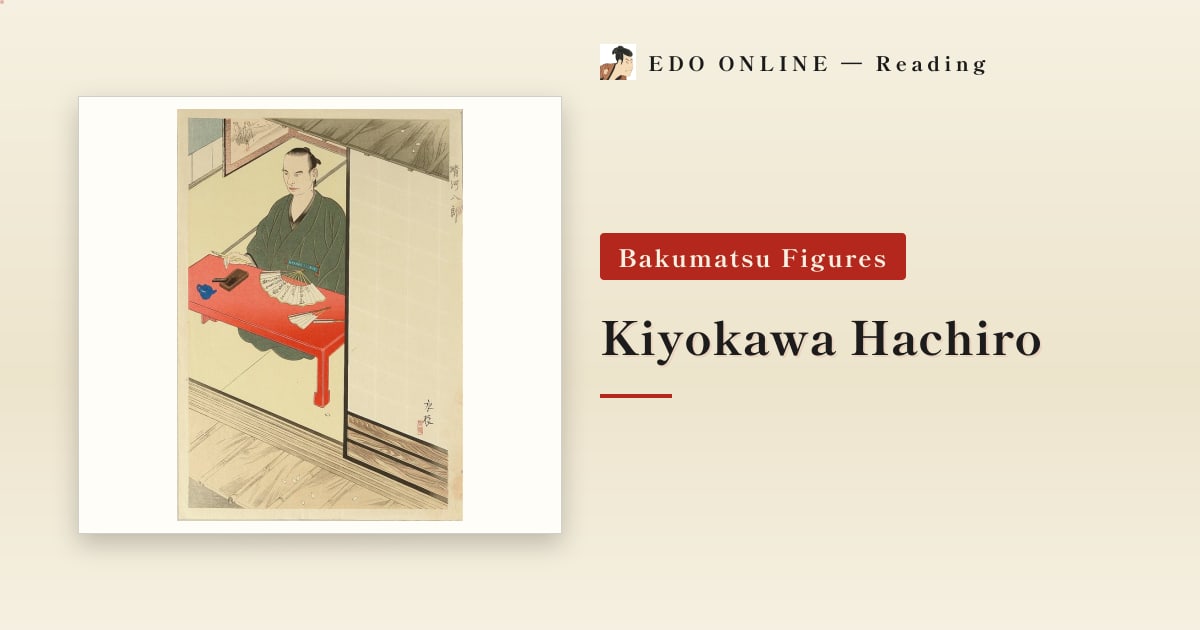
Kiyokawa Hachiro — The Schemer Who Accidentally Created the Shinsengumi
He talked the shogunate into raising a corps of masterless samurai, then announced in Kyoto that it served the emperor instead. The men who refused to go home became the Shinsengumi.
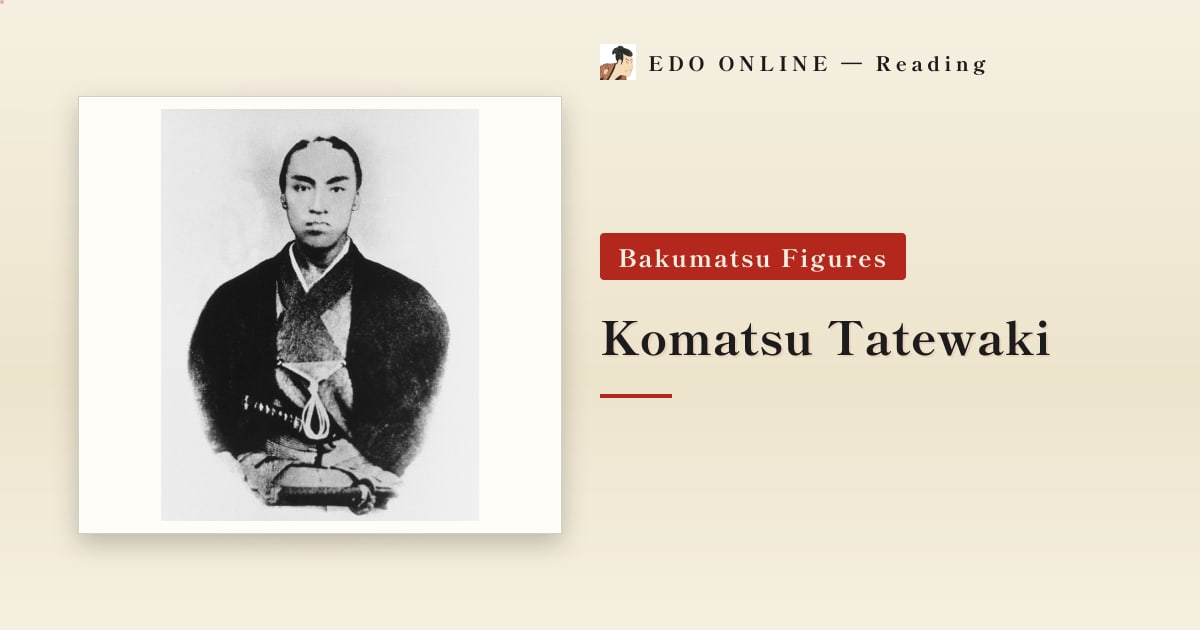
Komatsu Tatewaki — The Satsuma Councillor Above Saigo and Okubo
He became a chief retainer of Satsuma in his twenties, outranking Saigo Takamori and Okubo Toshimichi, and hosted the Satsuma-Choshu talks in his own Kyoto residence. He died of illness at thirty-four.
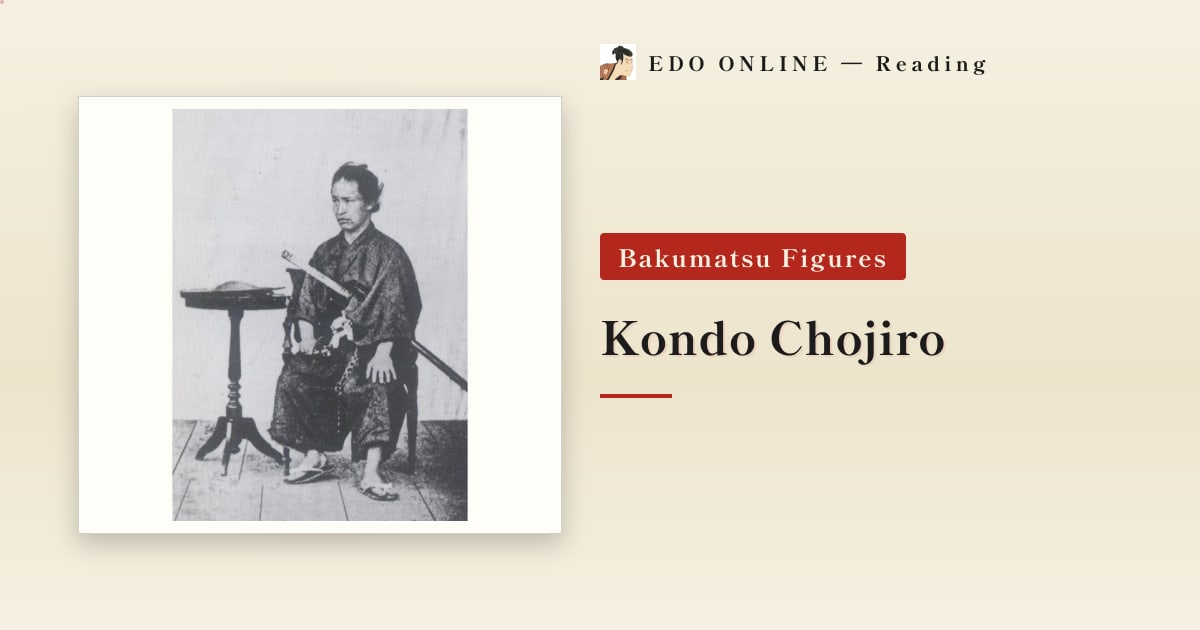
Kondo Chojiro — The Confectioner's Son Behind the Satsuma–Choshu Alliance
A Tosa sweet-shop boy became Katsu Kaishu's student and then the dealmaker of Ryoma's trading company, buying the steamship and rifles that built trust between Satsuma and Choshu. He was made to kill himself seven days before the alliance was signed.
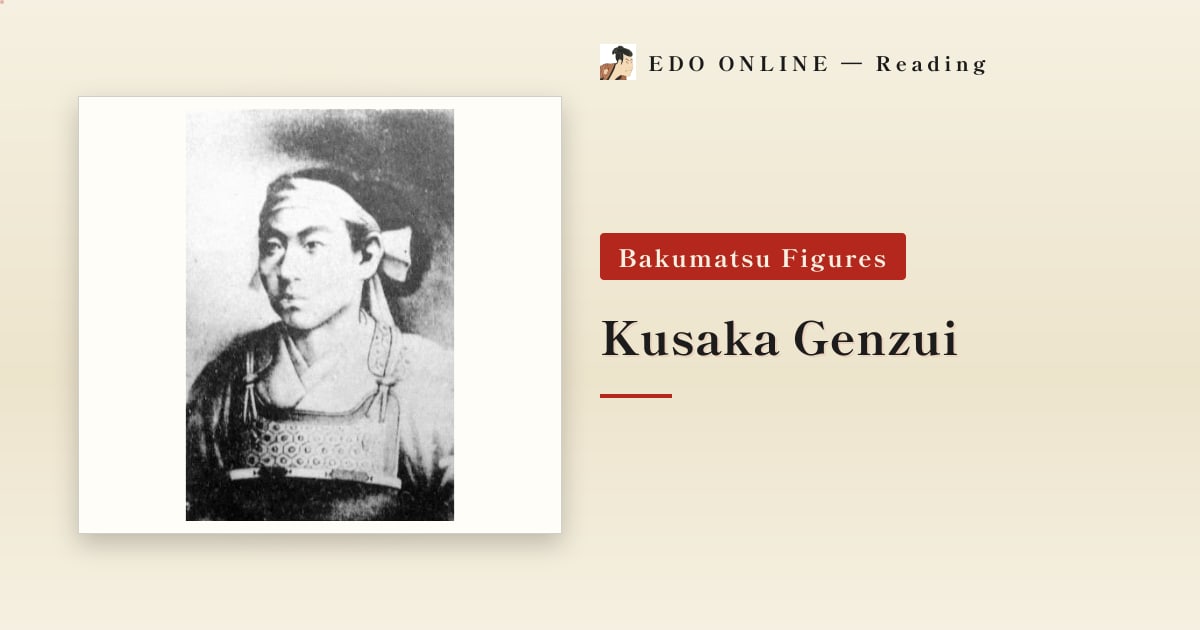
Kusaka Genzui — Shoin's Theorist, Dead at Twenty-Four
Named with Takasugi Shinsaku as one of the two finest students of Shoin's school, he married his teacher's sister and argued Choshu into its expulsionist policy. He killed himself in Kyoto at twenty-four.
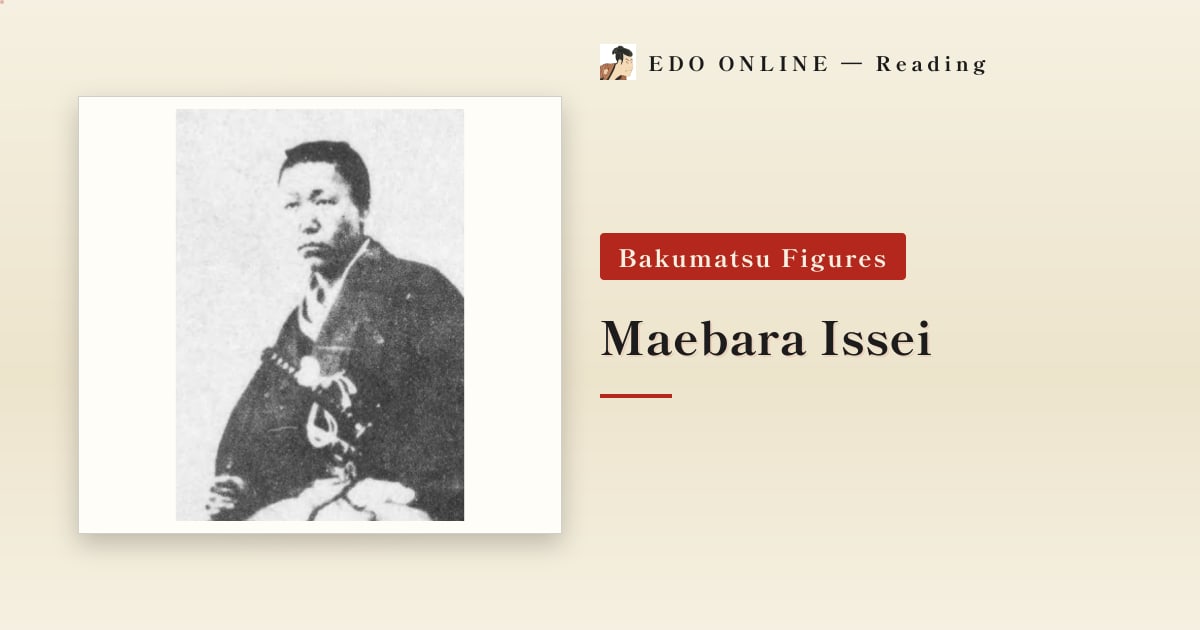
Maebara Issei — Shoin's Student Who Rebelled Against the Meiji State
He studied under Yoshida Shoin, commanded in the Boshin War, and rose to run the new army. Six years later he raised a rebellion against the government he had helped build, and was beheaded for it.
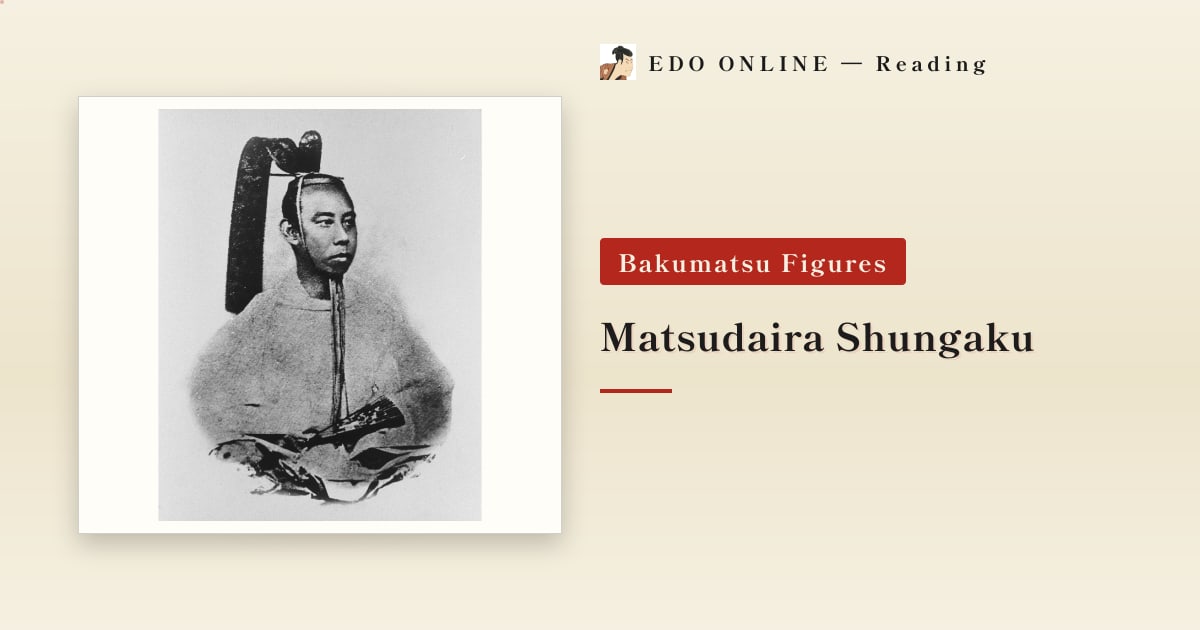
Matsudaira Shungaku — The Lord Who Loosened the Shogunate to Save It
One of the "four wise lords," he promoted men from low-ranking retainer families to run Fukui, backed Yoshinobu for shogun and was purged for it, then relaxed the alternate attendance system that had held the daimyo in check for 250 years.
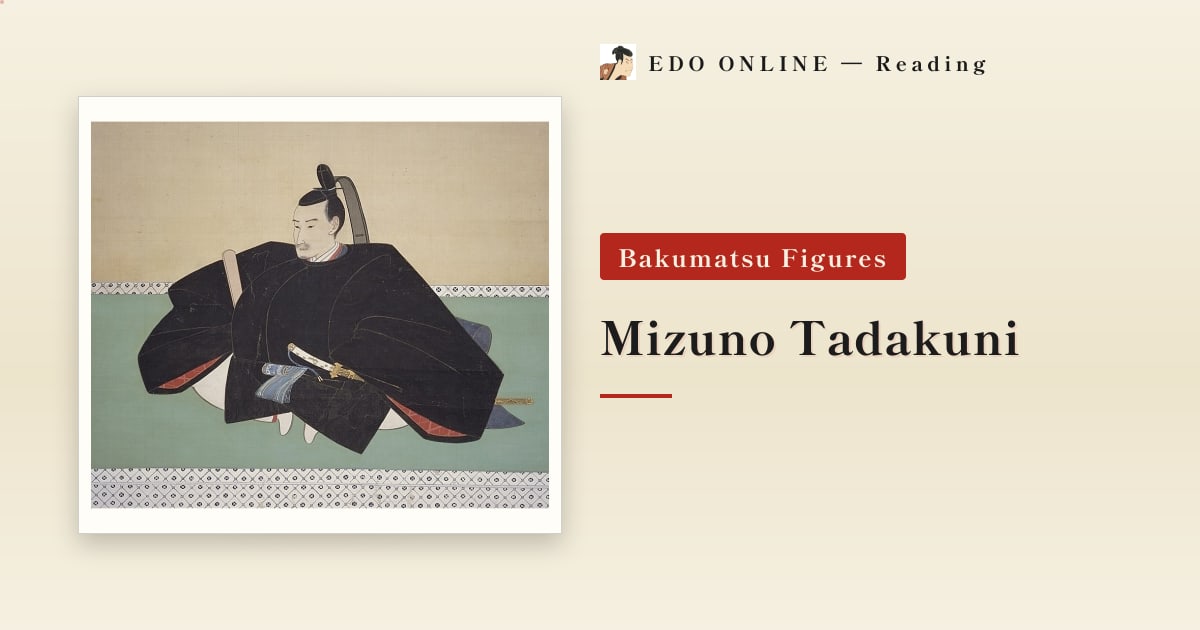
Mizuno Tadakuni — The Tenpo Reforms and How They Failed
Sumptuary edicts, dissolved merchant guilds, peasants sent back to the villages, and a land seizure around Edo and Osaka. Mizuno Tadakuni tried to fix the shogunate by decree, and lost his post in two years.
Momoi Shunzo — Bearing from Momoi, the Fourth Master of the Shigakukan
He ran one of Edo's three great fencing schools, taught Takechi Hanpeita and Okada Izo, resigned his shogunal command before the civil war opened, and ended his life teaching swordsmanship at a shrine.
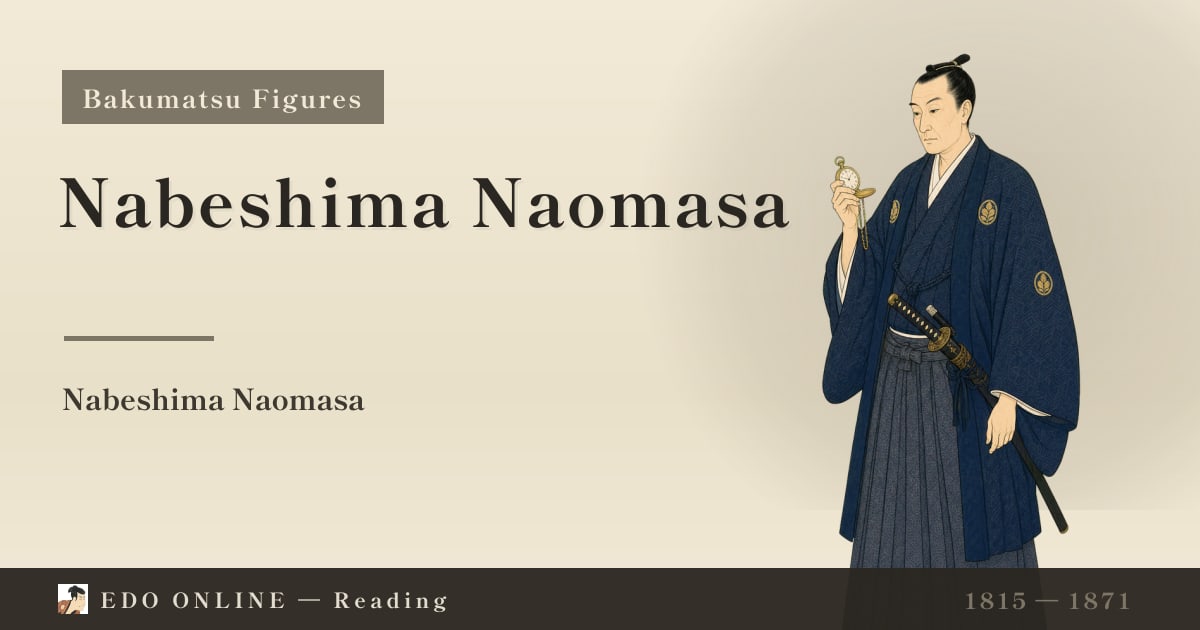
Nabeshima Naomasa — Japan's First Working Reverberatory Furnace
He inherited a domain so indebted it could not fund its own journeys to Edo, repaired its finances, and then built Japan's first working furnace for casting iron cannon and a domestically built steamship.
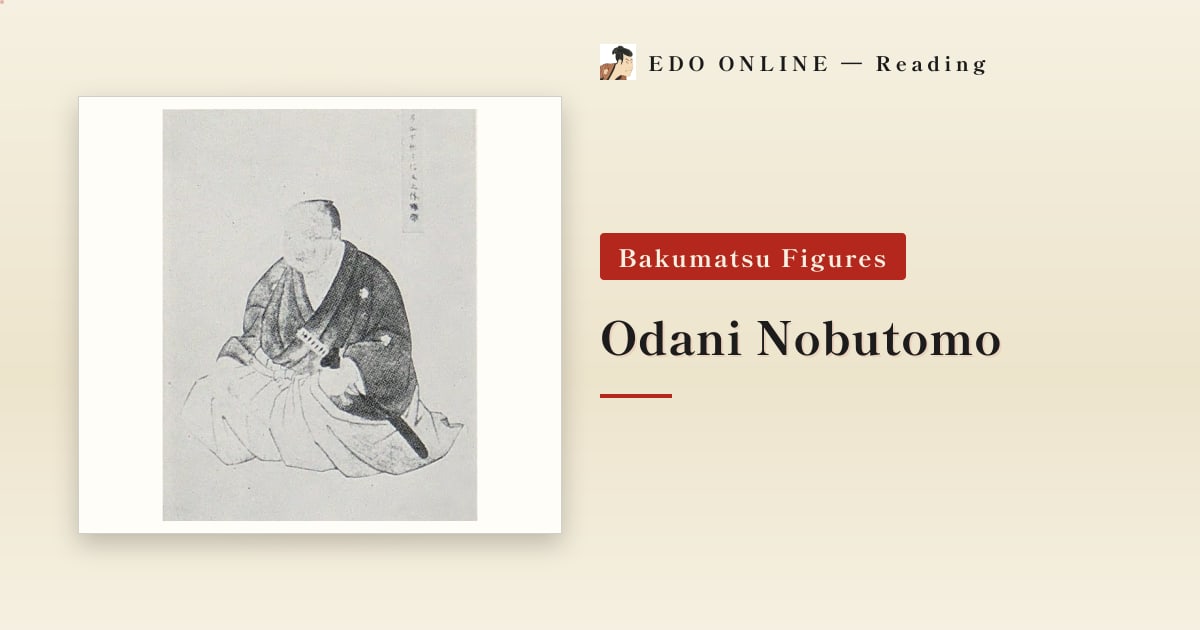
Odani Nobutomo — The Sword Saint Who Ran the Shogunate's Military Academy
He never refused a match and never lost one, yet always let his opponent take a point. He also fixed the length of the bamboo sword — the first step toward the standardisation modern kendo rests on.
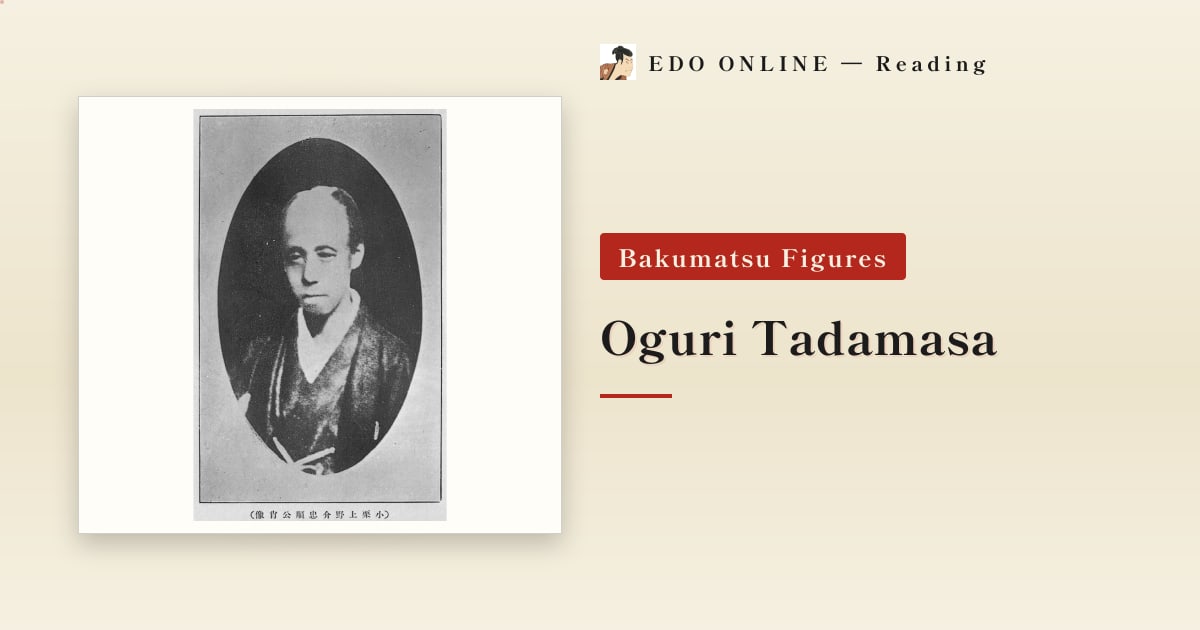
Oguri Tadamasa — He Built Yokosuka, Then Was Beheaded by the New Government
He crossed to America with the 1860 embassy and proved the currency discrepancy by having gold assayed. He founded the Yokosuka shipyard that outlived the shogunate, argued for fighting on, and was executed without a real trial.
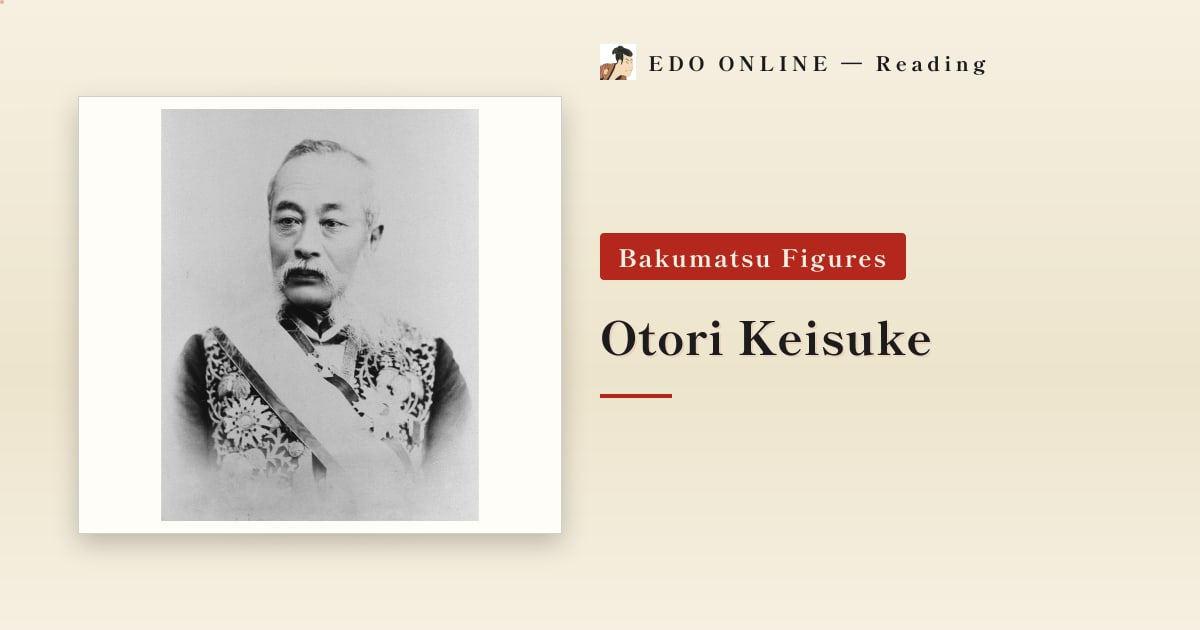
Otori Keisuke — From Medical Student to Tokugawa Army Commander
A village physician's son who trained in medicine, made himself useful translating Dutch military manuals, ended up commanding the shogunate's best infantry, surrendered at Goryokaku, and then built Japan's engineering education.
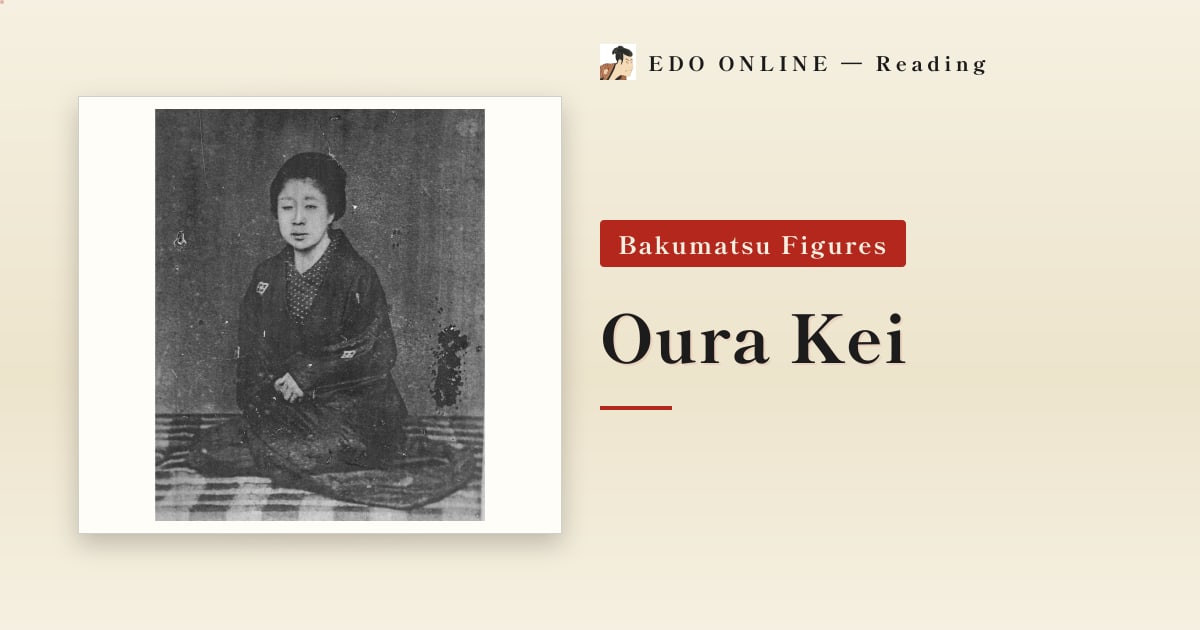
Oura Kei — The Nagasaki Woman Who Opened the Tea Trade
Before Japan's ports opened, she gave Dutch traders samples of Japanese tea to send abroad on speculation. When a large British order came back, she scoured Kyushu to fill it — and started an export industry.
Saito Yakuro — The Renpeikan, and the Choshu Men Who Trained There
A farmer's son from Etchu who went to Edo, founded one of its three great fencing halls, and made Katsura Kogoro — the future Kido Takayoshi — his head student. His hall became where Choshu men gathered.
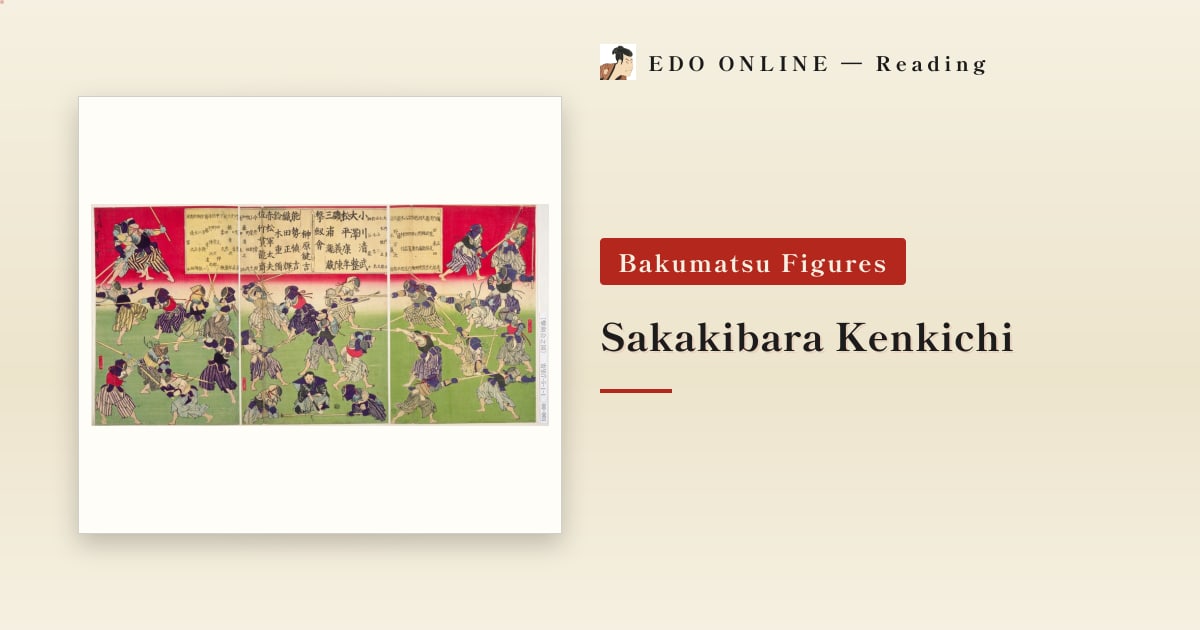
Sakakibara Kenkichi — He Saved Swordsmanship by Making It a Show
When the sword ban left fencing masters unable to eat, he put matches on as a paid public spectacle. The gekken shows kept the art alive long enough for it to become modern kendo.
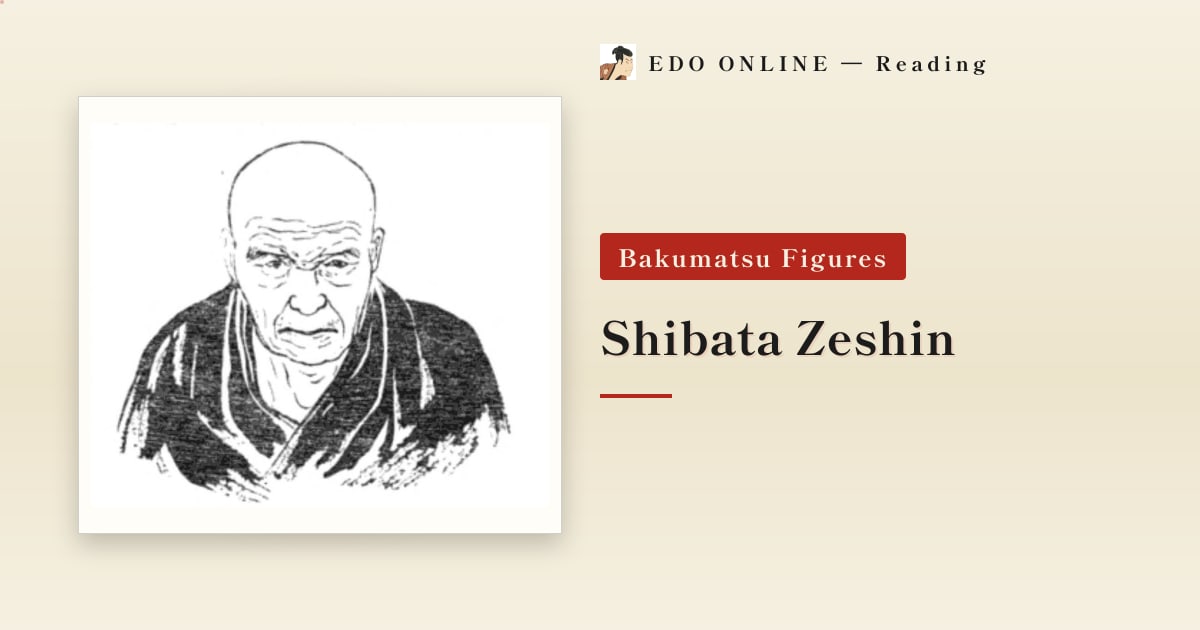
Shibata Zeshin — The Lacquerer Who Made Lacquer Look Like Iron
He painted pictures in lacquer on paper, and invented finishes that made lacquer pass for rusted iron, patinated bronze and crazed ceramic. An Edo craftsman who ended as an Imperial Household Artist.
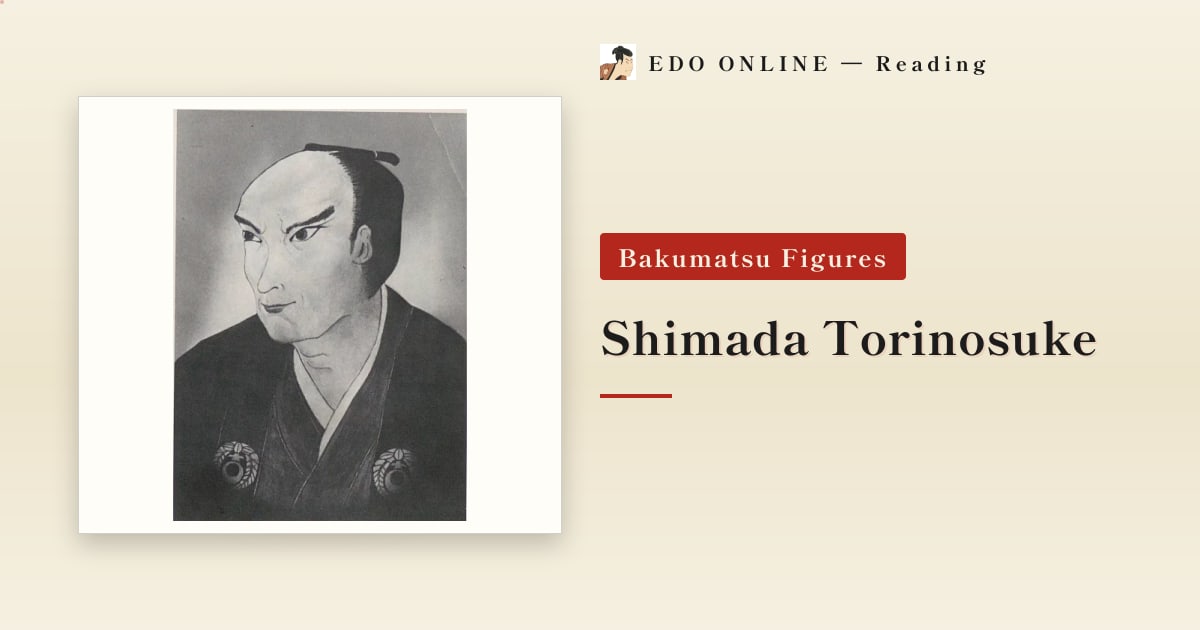
Shimada Torinosuke — The Swordsman Who Taught Katsu Kaishu
He came out of provincial Kyushu, became the leading student of the great Odani Nobutomo, opened a school in Asakusa, and taught the young Katsu Kaishu both sword and Zen before dying at thirty-eight.
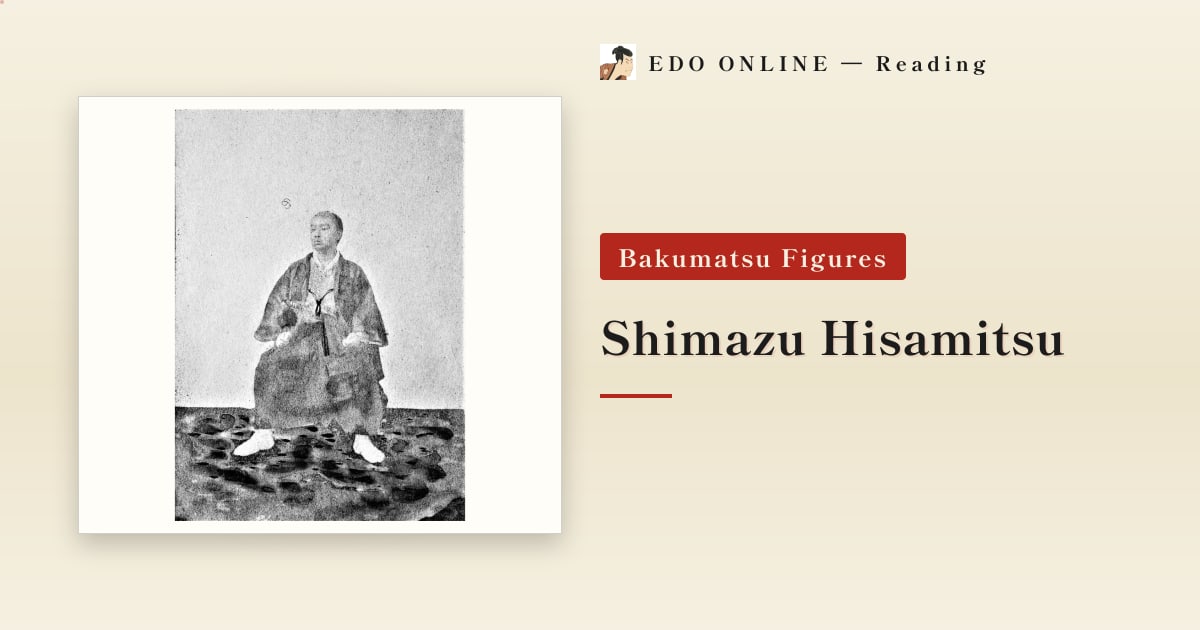
Shimazu Hisamitsu — He Ran Satsuma Without Ever Being Its Lord
Never daimyo himself, he held Satsuma's real power, marched troops to Kyoto to force reform on the shogunate, triggered the Namamugi incident and the British bombardment, and then opposed almost everything the Meiji government did.
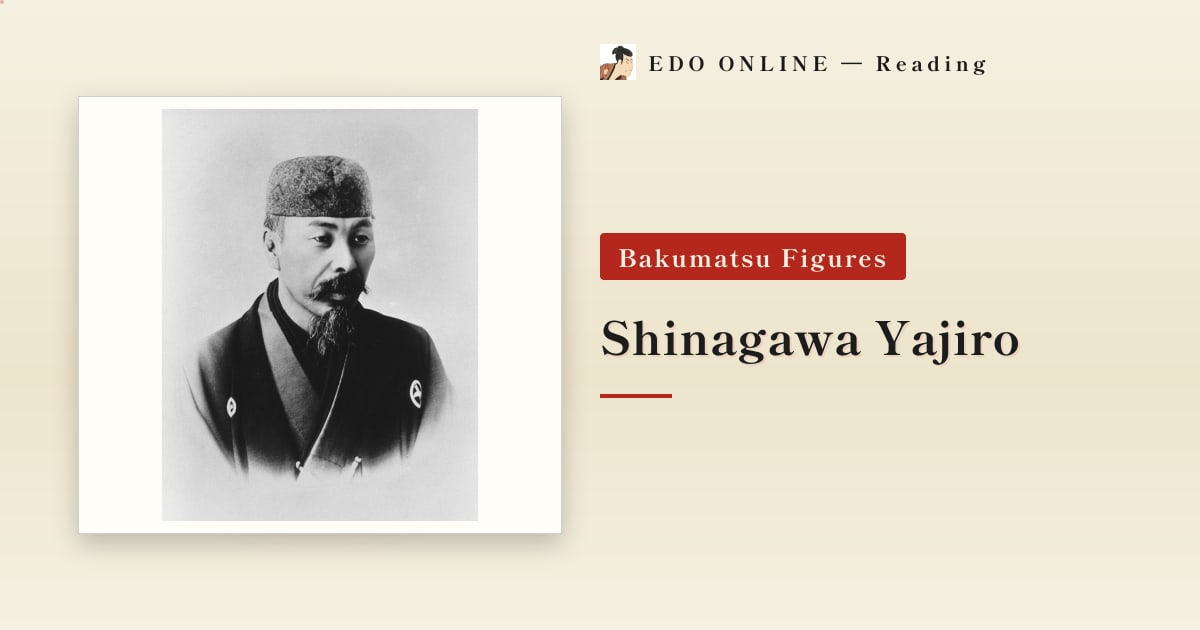
Shinagawa Yajiro — Japan's First War Song, and Its Worst Election
He is credited with the words of the marching song the imperial army sang in 1868. Twenty-four years later, as home minister, he ran the police against opposition candidates and twenty-five people died.
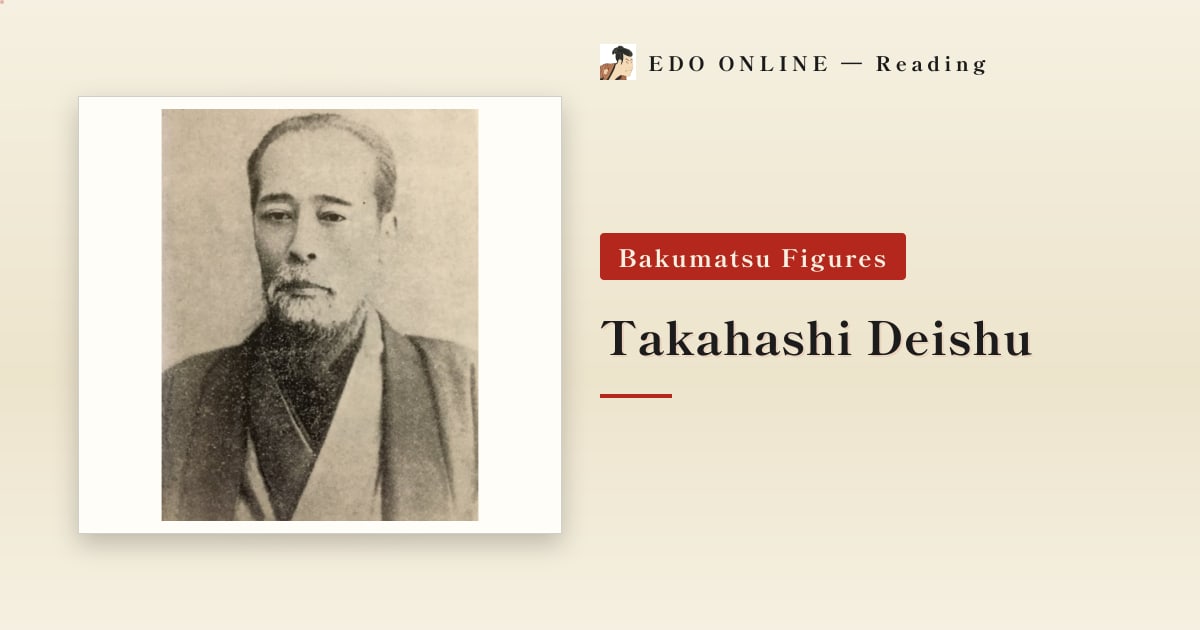
Takahashi Deishu — The Third of the "Three Boats" Who Asked for Nothing
Named with Katsu Kaishu and Yamaoka Tesshu as the "three boats" of the Bakumatsu, he kept the last shogun on the path of submission, sent Tesshu to negotiate with Saigo, and then refused every office the new government offered.
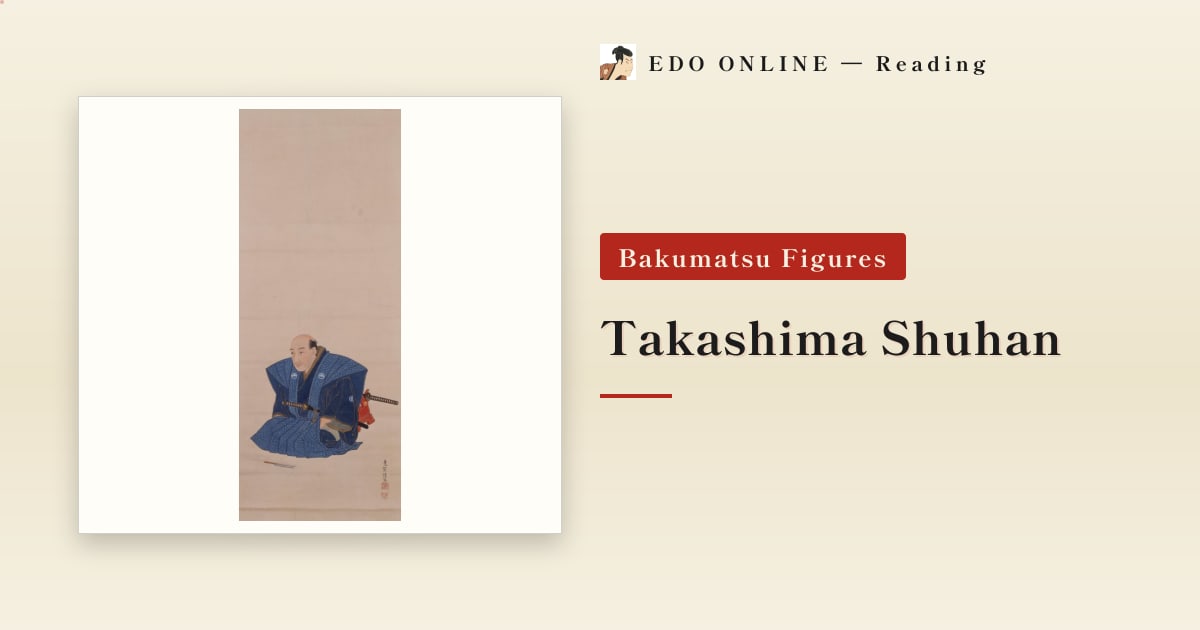
Takashima Shuhan — Imprisoned on False Charges After Warning Japan
He read the reports of the Opium War, told the shogunate that Japan would go the way of China, and staged its first Western-style artillery drill. Political opponents then had him imprisoned for over a decade on unrelated charges.
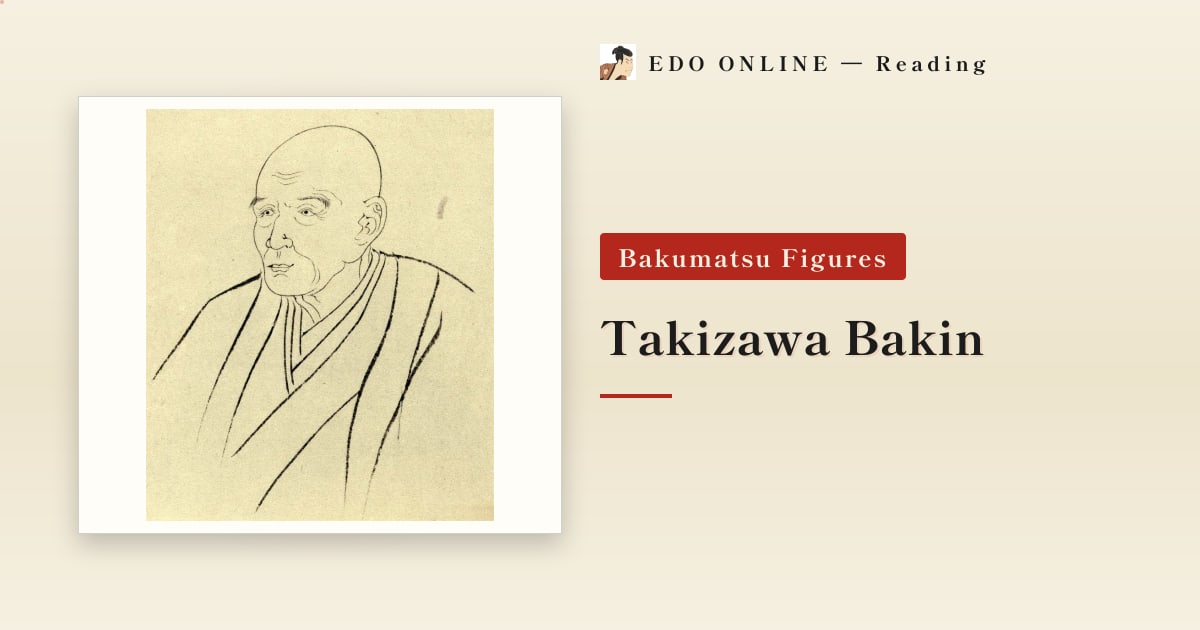
Takizawa Bakin — Twenty-Eight Years to Finish One Novel
He spent twenty-eight years completing the Hakkenden, went blind partway through and dictated the rest, and produced some 470 titles living on manuscript fees in an age when writers had day jobs.
Tenshoin Atsuhime — The Satsuma Woman Who Defended the Tokugawa
Sent from Satsuma into the shogun's inner palace, she was widowed within two years. When her own province marched on Edo Castle, she wrote to Saigo Takamori to save the house she had married into.
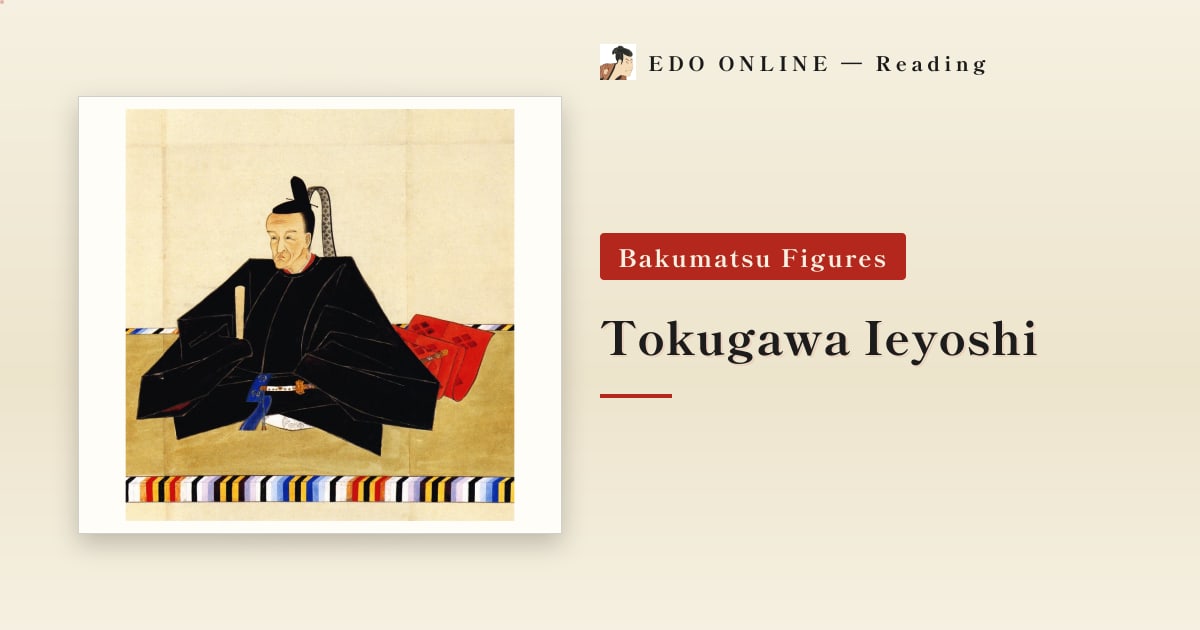
Tokugawa Ieyoshi — The Shogun Who Died Nineteen Days After the Black Ships
The twelfth shogun handed the Tenpo Reforms to Mizuno Tadakuni, cut him loose when they failed, and promoted the young Abe Masahiro — then died in office nineteen days after Perry arrived.
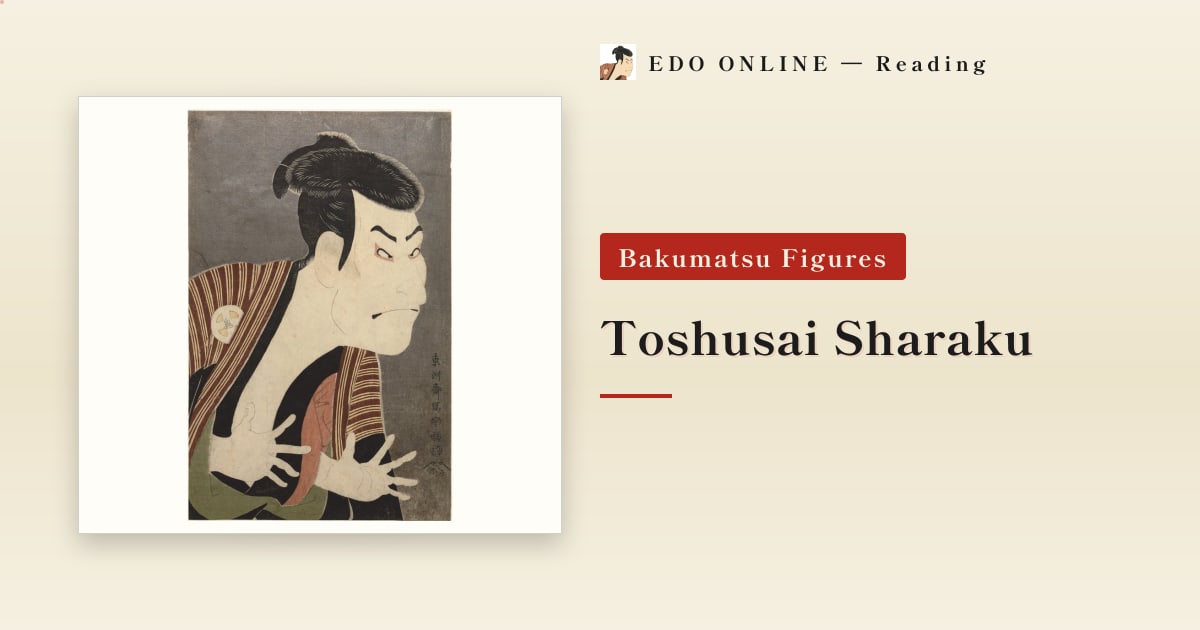
Toshusai Sharaku — The Print Artist Who Vanished After Ten Months
He appeared in 1794 with twenty-eight actor portraits on black mica grounds, produced some 140 prints in about ten months, and disappeared. Neither his birth, his death, nor certainly his real name is known.
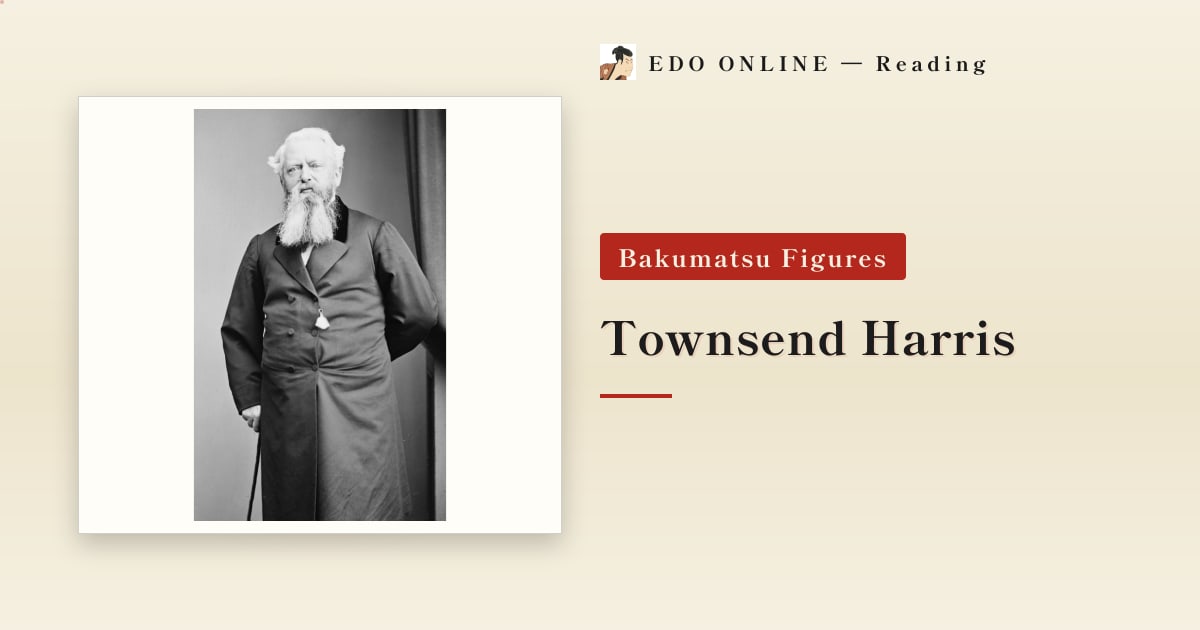
Townsend Harris — The Consul Who Negotiated Where Perry Had Threatened
Perry opened the ports with warships; Harris moved into a temple at Shimoda with his interpreter and talked for two years until Japan signed a commercial treaty. His life, the Okichi legend, and his grave.
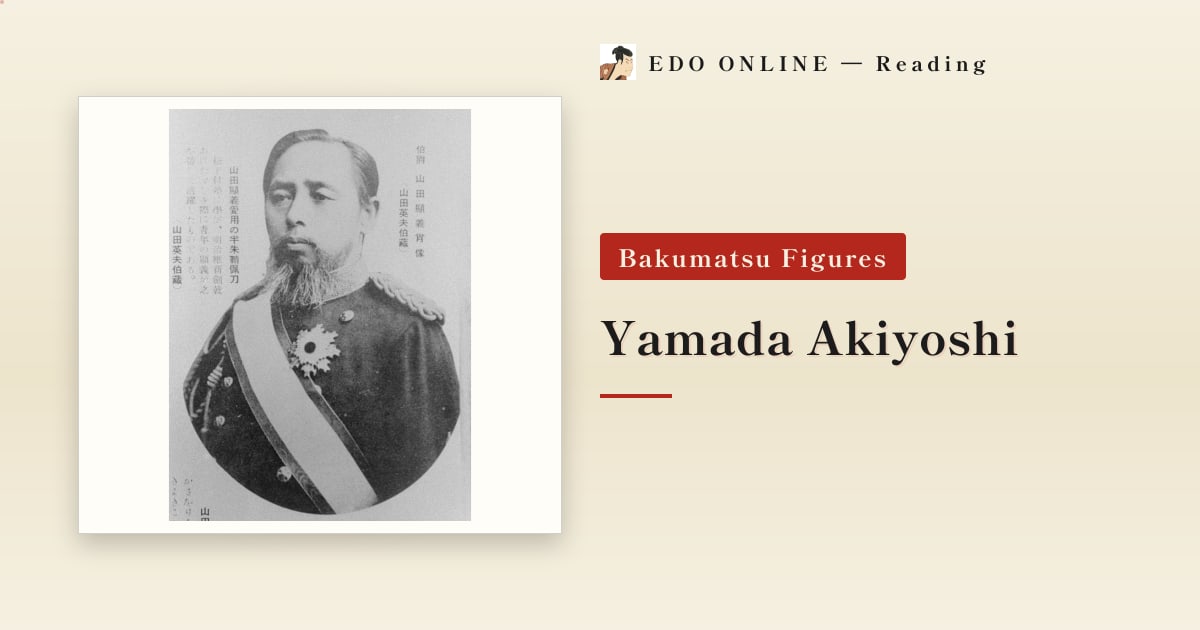
Yamada Akiyoshi — From Battlefield Command to Drafting Japan's Codes
The youngest of Shoin's students commanded troops across northern Japan in his twenties, then spent over seven years running the justice ministry and building Japan's legal codes and courts. He also founded two universities.
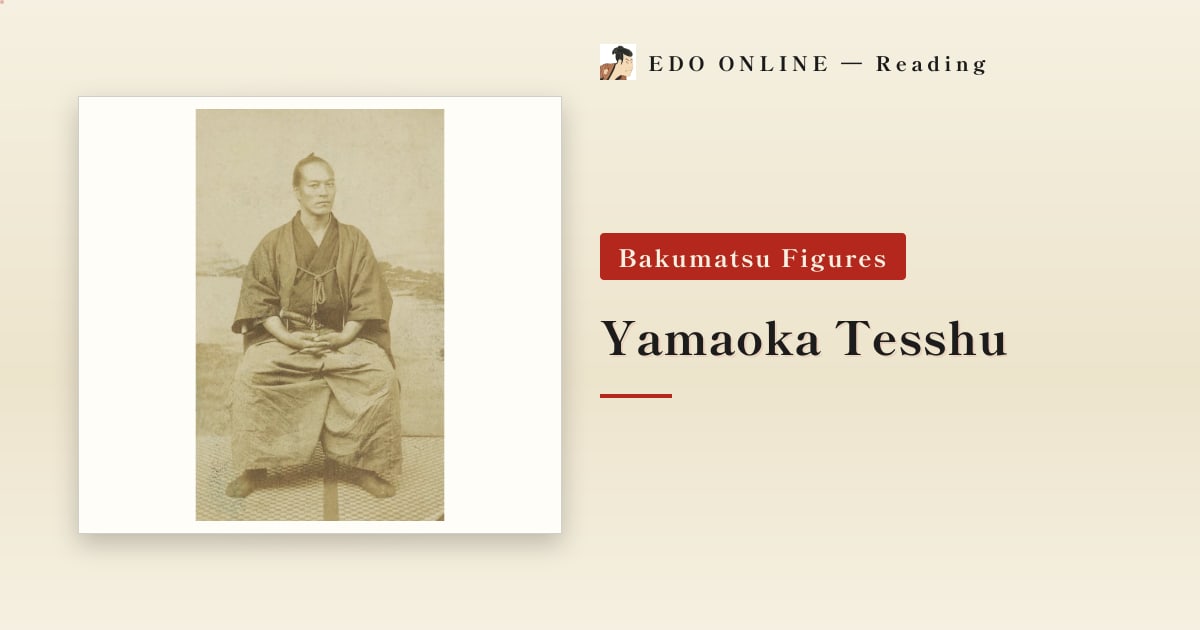
Yamaoka Tesshu — The Man Who Walked Alone Into Saigo's Camp
He went into the enemy commander's headquarters by himself and got Saigo Takamori to drop the condition that would have handed the last shogun over. He later founded a school of "no-sword" fencing and served ten years at the emperor's side.
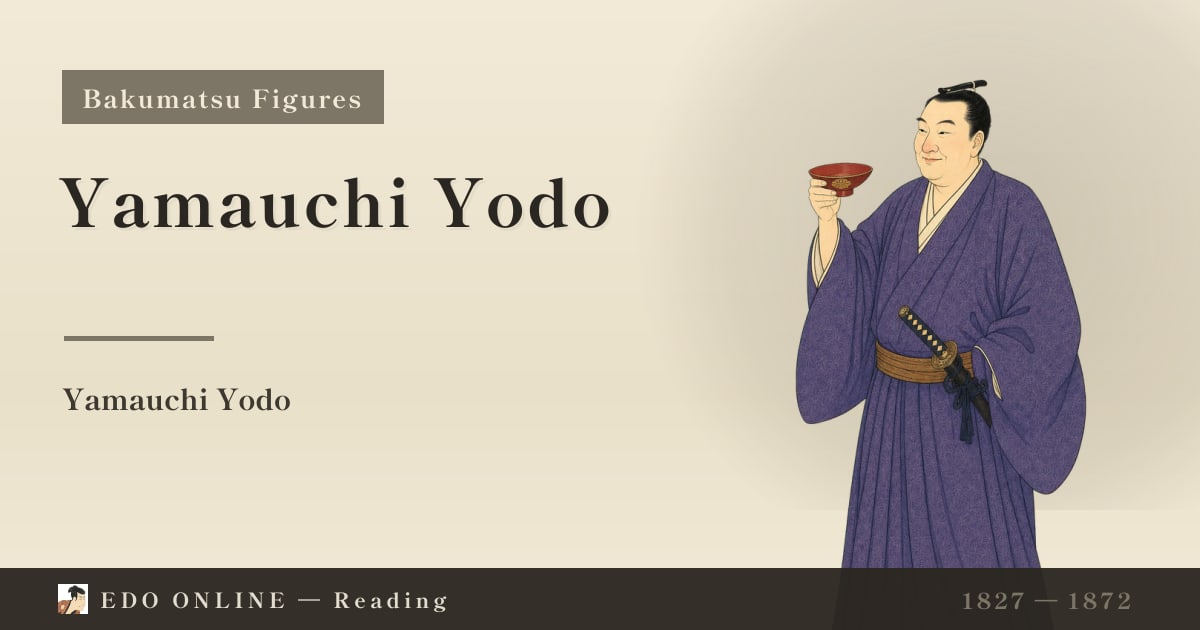
Yamauchi Yodo — The Drunken Lord Who Talked the Shogun Into Resigning
The lord of Tosa styled himself "the drunken marquis of the whale sea." He crushed his own domain's loyalist party, then persuaded the last shogun to return governing authority to the imperial court.
Yamazaki Susumu — The Shinsengumi's Intelligence Man, Barely Recorded
He ran surveillance and intelligence for the Shinsengumi. His birth year is unknown, the accounts of his death contradict each other, and that thinness of record is itself the point.
Yoshida Toshimaro — The Shoka Sonjuku Talent Lost at the Ikedaya
He petitioned his domain to enlist men the class system excluded, and within months Choshu ordered it done. At twenty-three he died on the night of the Ikedaya Incident, and how he died is still disputed.
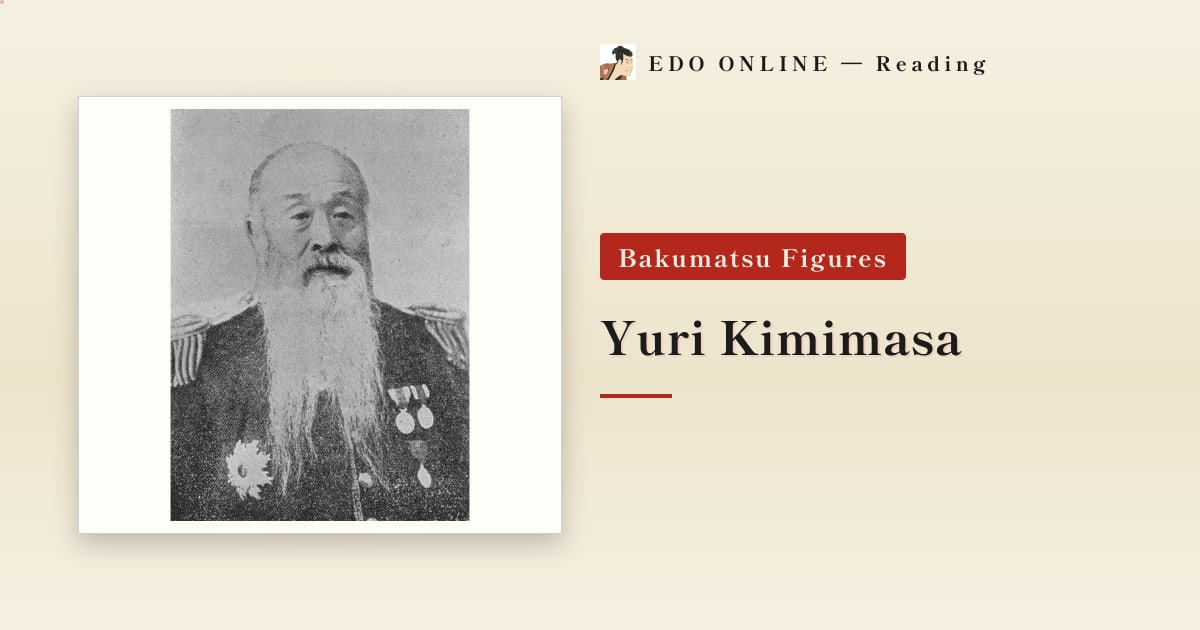
Yuri Kimimasa — Japan's First Government Banknote, and Brick-Built Ginza
He fixed Fukui's finances with domain paper money and raw-silk exports, was sought out by Sakamoto Ryoma to run the new state's money, issued Japan's first national banknote, and rebuilt Ginza in brick.
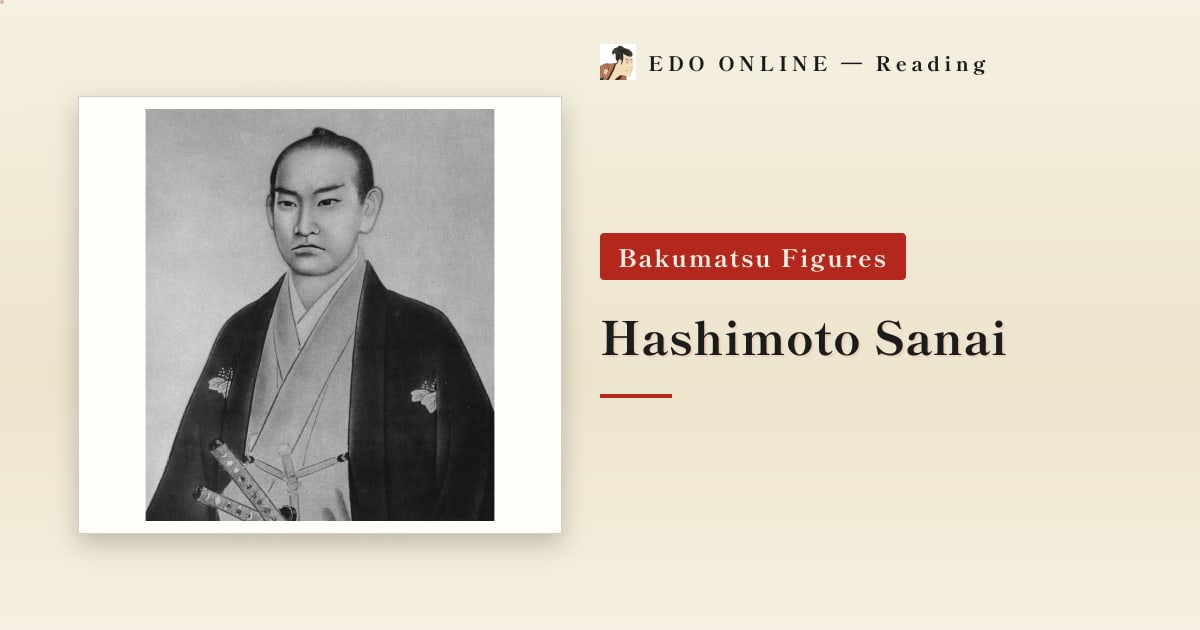
Hashimoto Sanai — The Fukui Prodigy Executed at Twenty-Five
At fourteen he wrote a manual for disciplining himself; by his mid-twenties he was working at the centre of Fukui's politics and the shogunal succession. The Ansei Purge killed him at twenty-five.
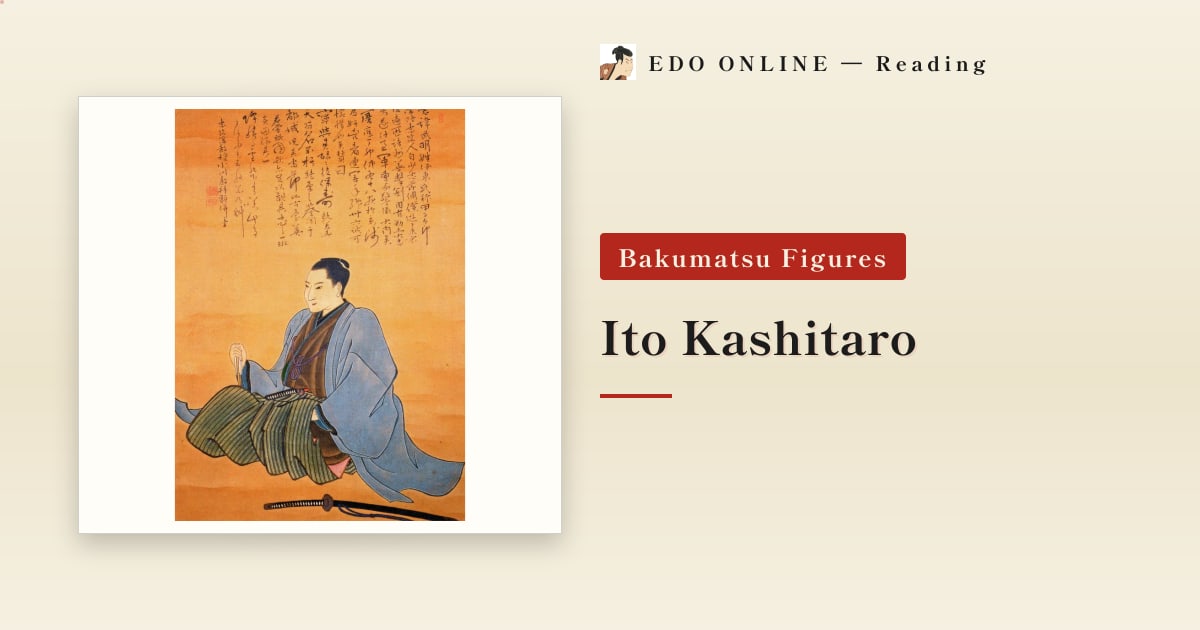
Ito Kashitaro — The Theorist Who Split the Shinsengumi and Died at Aburanokoji
Brought into the Shinsengumi for his learning, Ito Kashitaro broke from it over his imperial-loyalist convictions, formed the Goryo Eji, and was assassinated and used as bait at Aburanokoji.
Kawai Tsugunosuke — The Small-Domain Elder Who Fought with a Gatling Gun
Kawai Tsugunosuke rebuilt tiny Nagaoka domain, sought armed neutrality between the two sides of the Boshin War, and when refused, fought the new government with modern weapons — dying at forty-one crossing the mountains.
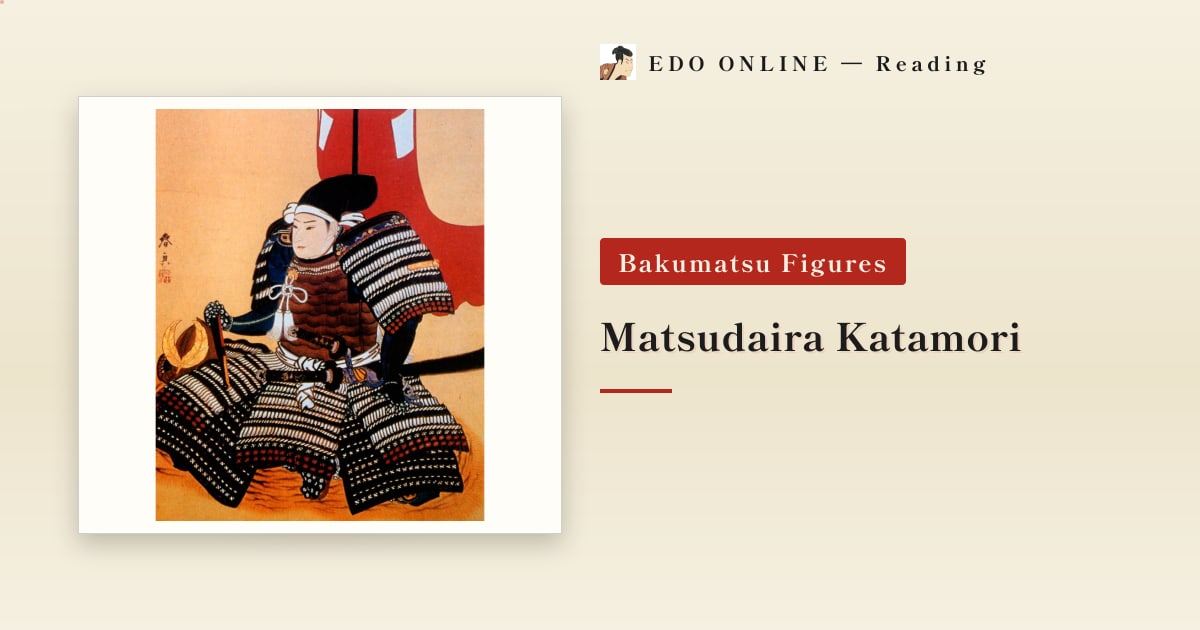
Matsudaira Katamori — The Lord Whose Loyalty Destroyed His Domain
As Protector of Kyoto, Matsudaira Katamori policed the loyalist movement and was branded an enemy of the court for it. Trusted by Emperor Komei, then attacked in his name, he ended his life as a Shinto priest.
Minamoto Kiyomaro — The Bakumatsu Swordsmith Called the Masamune of Yotsuya
Minamoto Kiyomaro forged some of the finest blades of the late Edo period and was called the Masamune of Yotsuya. He drank, fell into debt, and took his own life at forty-one — and his rare swords are prized to this day.
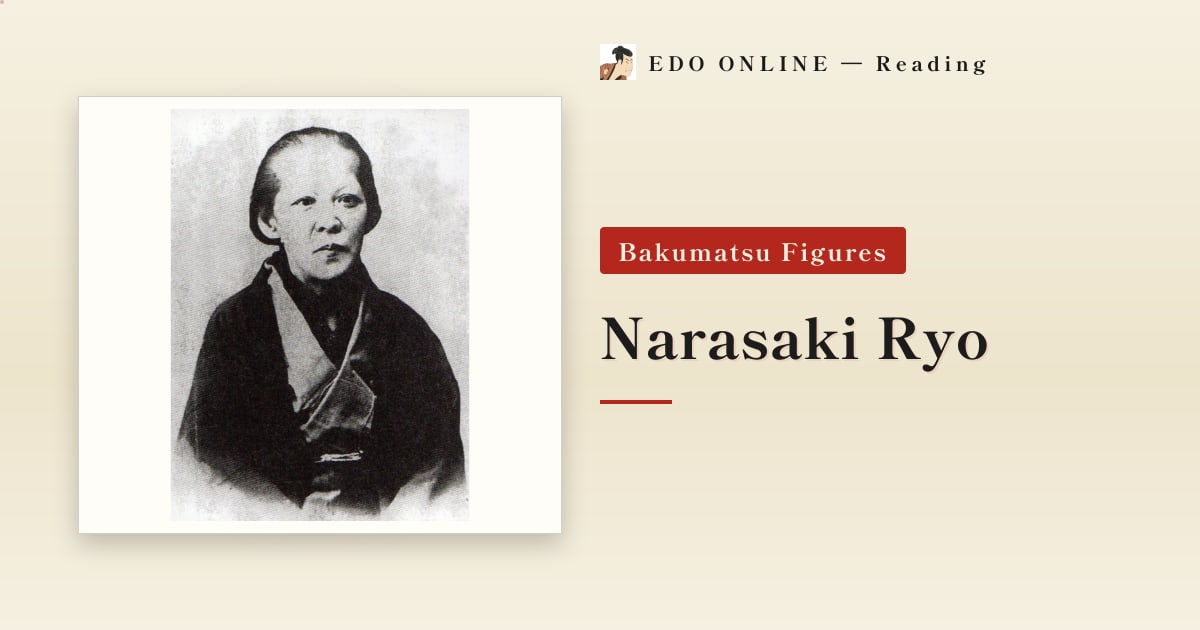
Narasaki Ryo — Sakamoto Ryoma's Wife, and the Years After Him
Oryo warned Sakamoto Ryoma of the raid at the Teradaya and is said to have taken Japan's first honeymoon with him. She spent the years after his death adrift, remarried, and outlived him by nearly four decades — and her gravestone still names her his wife.
Sagawa Kanbei — The Aizu Elder They Called Oni Kanbei
Sagawa Kanbei fought so fiercely that he was known as Oni Kanbei, the Demon Kanbei. After Aizu's defeat he joined the very government he had fought, to clear his domain's name, and died in the Satsuma Rebellion.
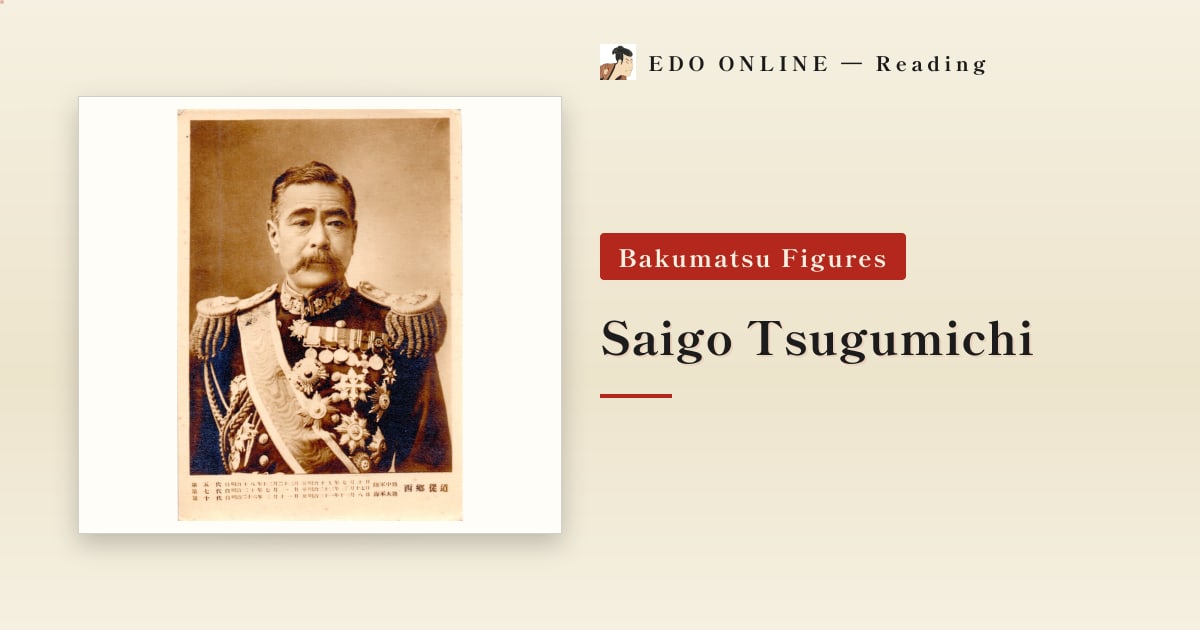
Saigo Tsugumichi — The Brother Who Chose the Other Side
Saigo Takamori's younger brother stayed with the government when Takamori rebelled against it, and lived on as navy minister and marshal-admiral. The story of two brothers who took opposite roads.
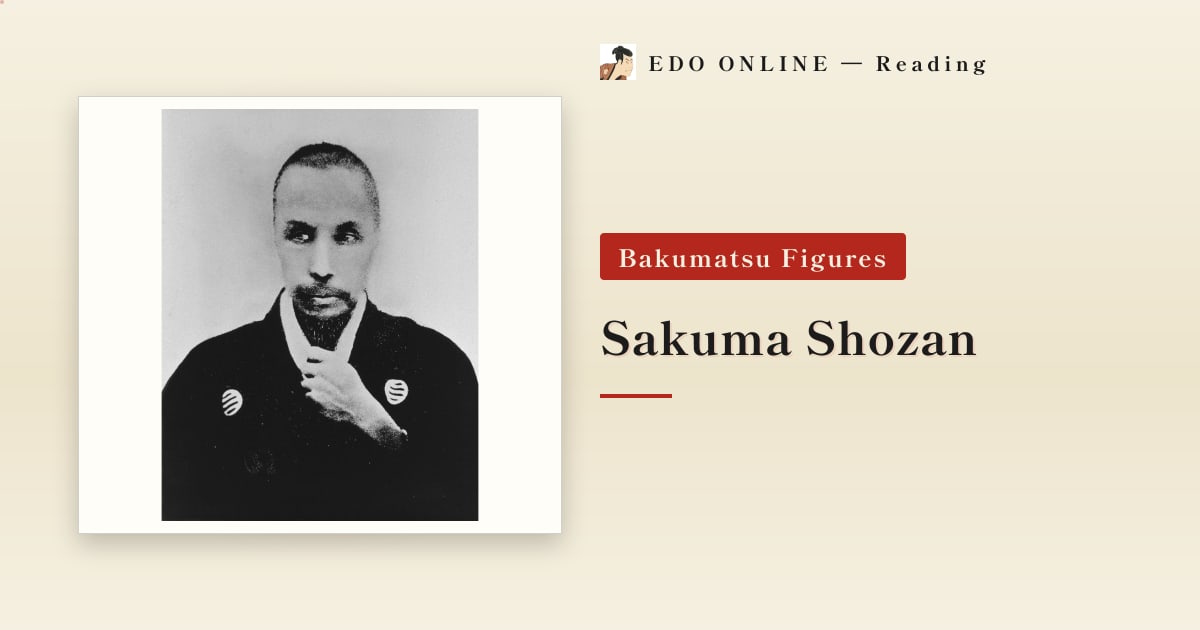
Sakuma Shozan — "Eastern Ethics, Western Science"
Sakuma Shozan argued that Japan should keep its spirit and take up Western technology, and taught Katsu Kaishu and Yoshida Shoin. An arrogant genius who advocated opening the country and was assassinated for it.
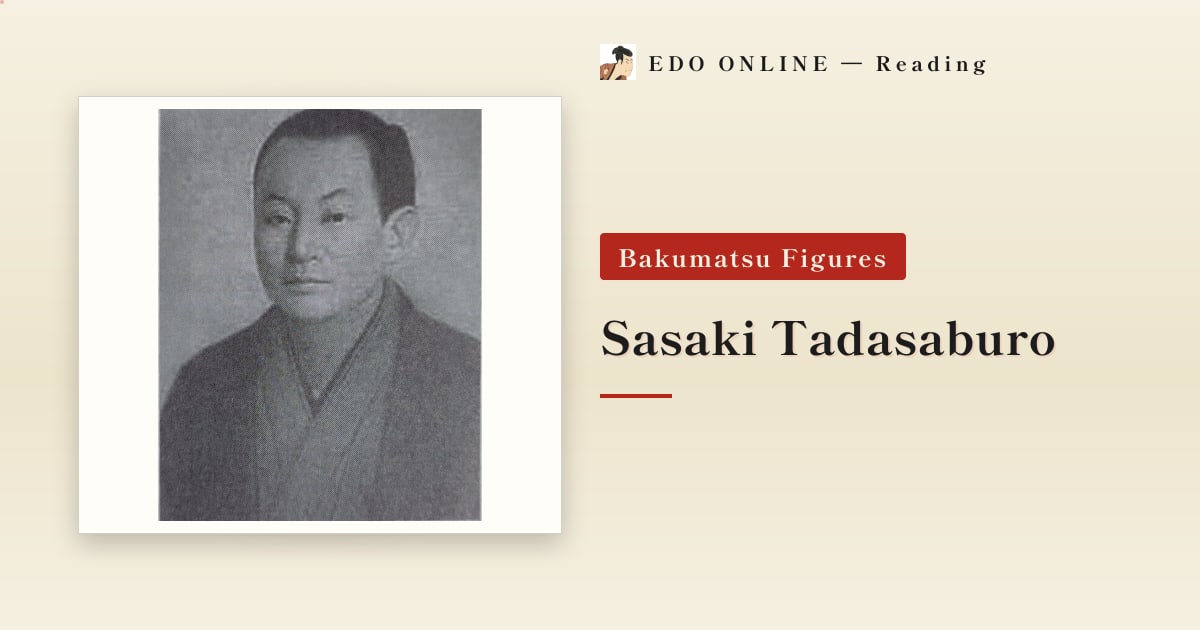
Sasaki Tadasaburo — The Swordsman Said to Have Killed Sakamoto Ryoma
An officer of the shogunal Kyoto Mimawarigumi and the leading suspect in the assassination of Sakamoto Ryoma and Nakaoka Shintaro. His short-sword mastery, the Omiya raid, and his death a month later at Toba-Fushimi.
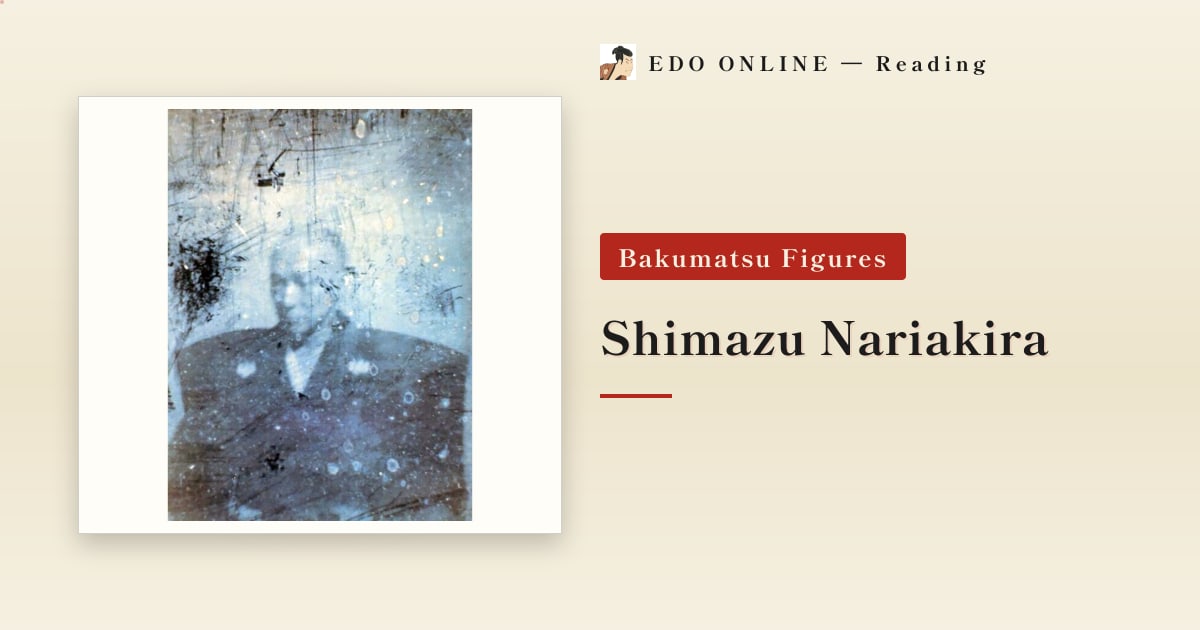
Shimazu Nariakira — The Satsuma Lord Who Modernized Before the Black Ships
Shimazu Nariakira built reverberatory furnaces, ships, and even photography in Satsuma, and drew out Saigo Takamori and Okubo Toshimichi. A lord who anticipated Japan's modernization and died suddenly with his work unfinished.
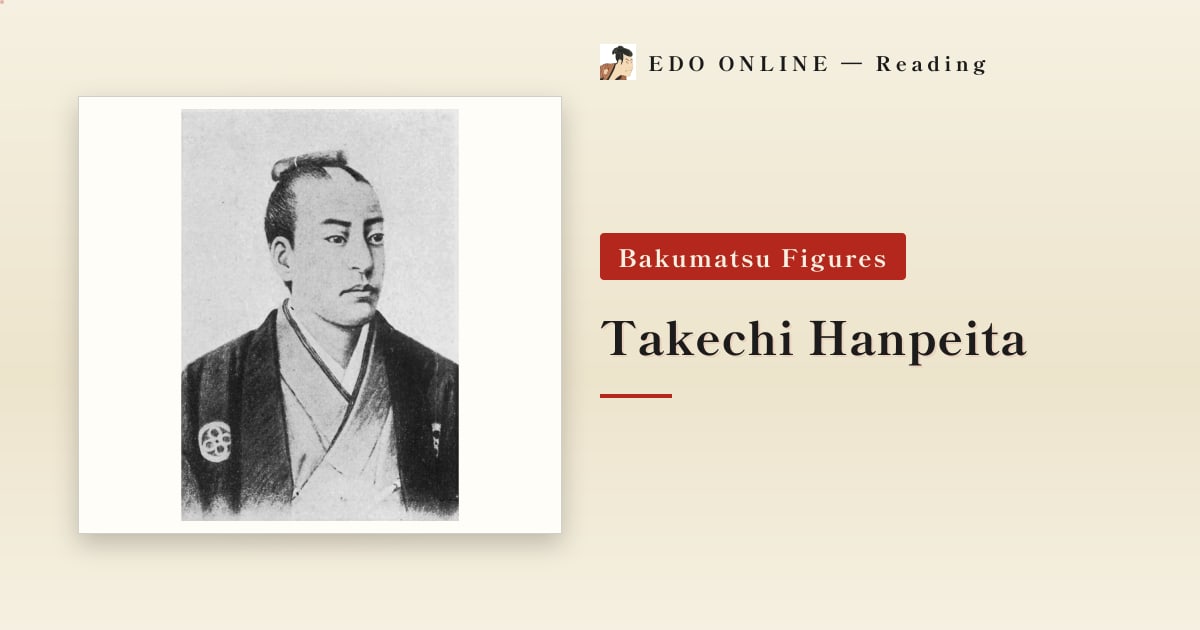
Takechi Hanpeita — The Loyalist Leader Forced to Cut His Belly
Takechi Hanpeita organized hundreds of low-ranking Tosa samurai into the Tosa Loyalist Party and tried to move a whole domain from below. Suppressed, betrayed by testimony under torture, he was ordered to commit seppuku.
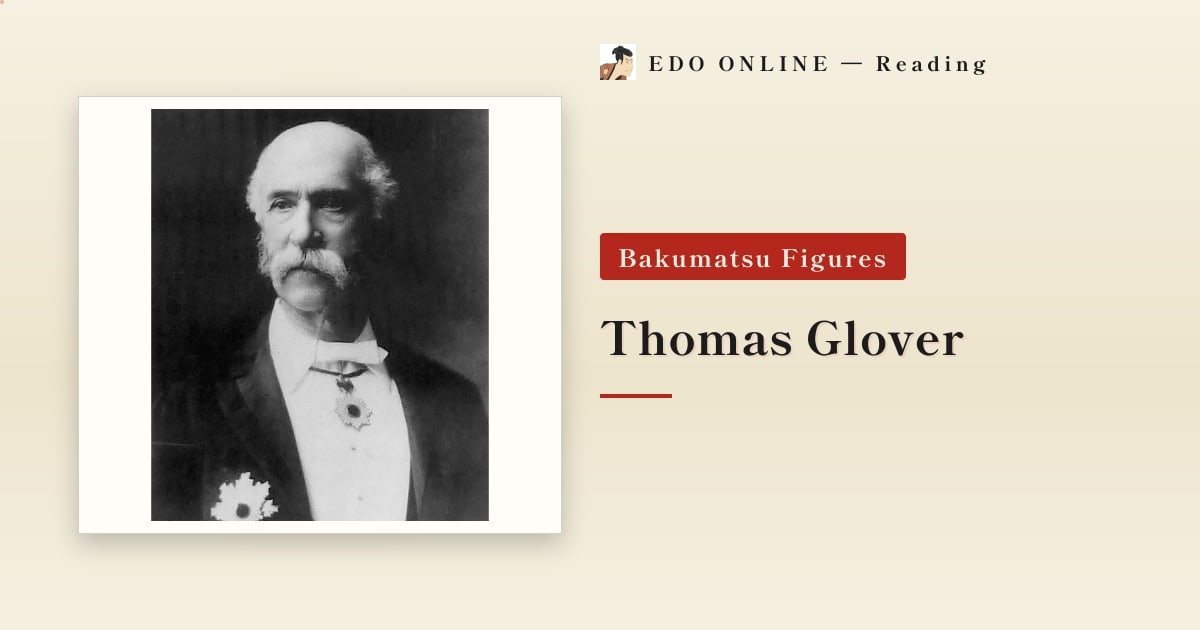
Thomas Glover — The Scottish Merchant Who Armed the Restoration
From Nagasaki, Thomas Blake Glover sold ships and guns to the domains that overthrew the shogunate, then turned to shipbuilding and coal in Meiji Japan. His arms trade, his link to Sakamoto Ryoma, and Glover Garden.
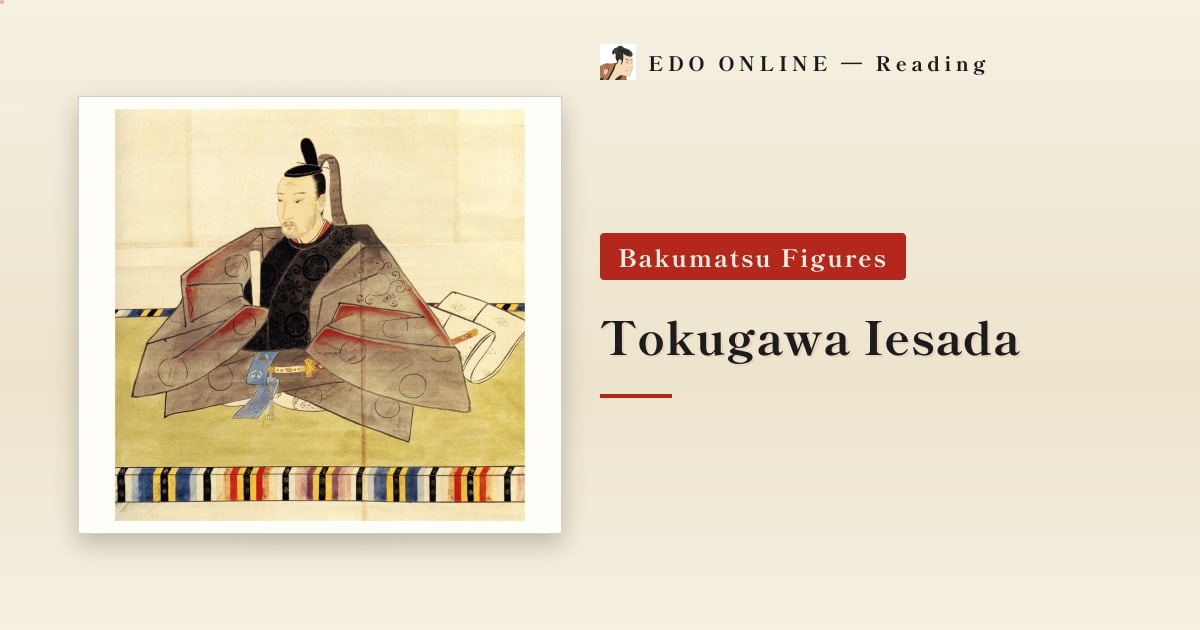
Tokugawa Iesada — The Thirteenth Shogun Rumoured to Be Sickly
Husband of Atsuhime and shogun in the year of the Black Ships, Tokugawa Iesada was said to be sickly and unfit to rule. The reality behind that image, his appointment of Ii Naosuke, and a short reign.
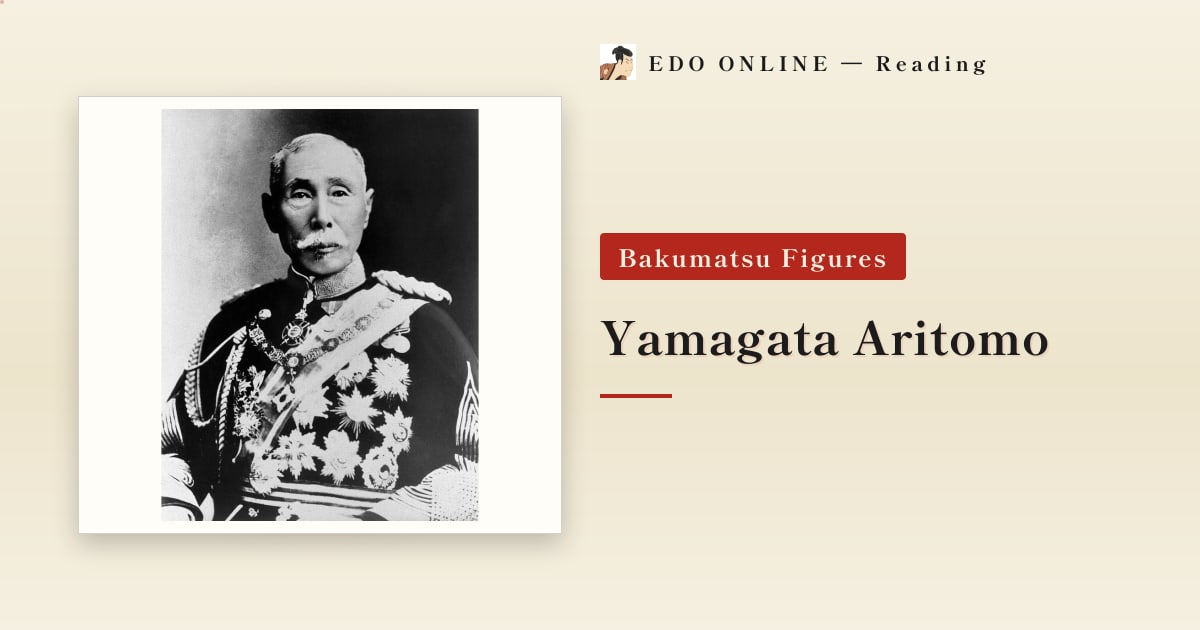
Yamagata Aritomo — The Man Who Built the Japanese Army
From a foot soldier schooled at Yoshida Shoin's academy, Yamagata Aritomo built conscription, the modern army, and a command structure separated from cabinet control — ruling for decades as an elder statesman.
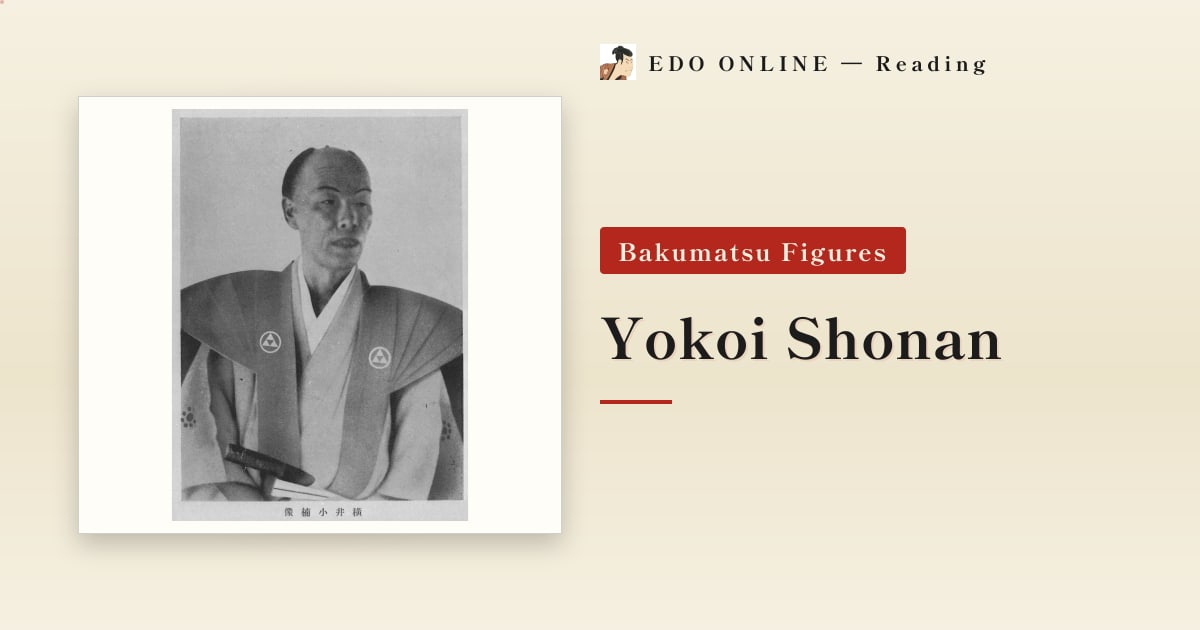
Yokoi Shonan — The Thinker Who Moved the Bakumatsu from Behind
Yokoi Shonan never led a domain himself. He supplied the ideas — guiding Fukui's reforms and shaping Katsu Kaishu and Sakamoto Ryoma — until he was assassinated in early Meiji for advocating opening the country.
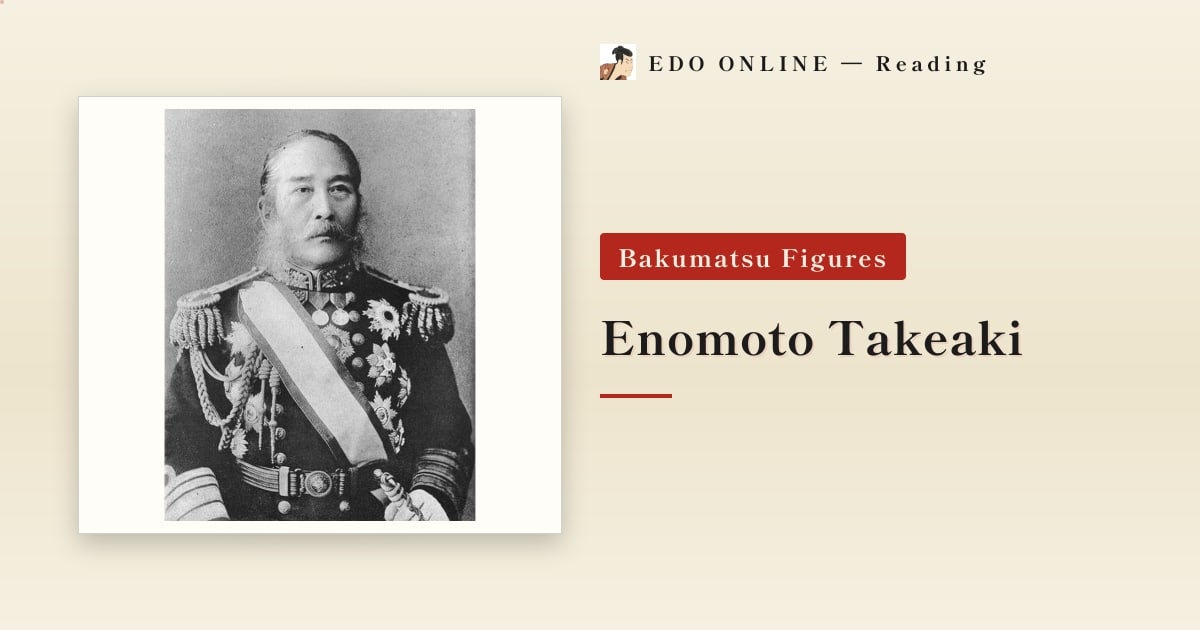
Enomoto Takeaki — The Rebel Admiral Who Became a Cabinet Minister
Enomoto Takeaki took the shogunal fleet north, held Goryokaku against the new government, and surrendered expecting to die. Instead he served the Meiji state as minister four times over. Why he was spared.
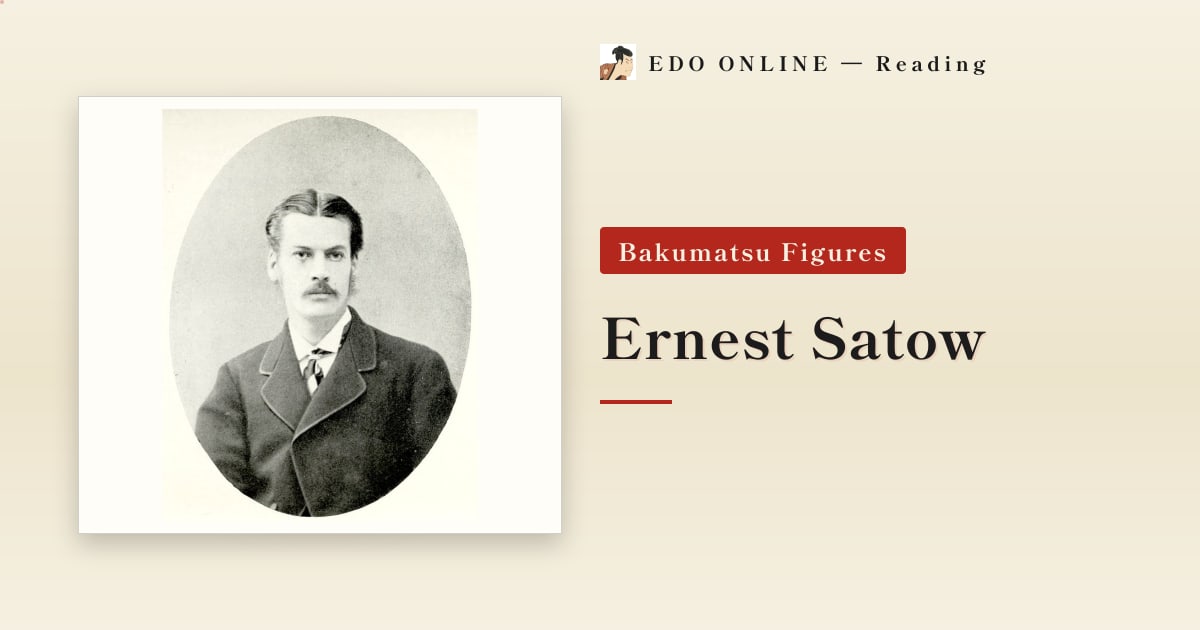
Ernest Satow — The British Diplomat Who Watched the Bakumatsu Up Close
Satow arrived in Japan at nineteen, learned the language to a level almost no Westerner had, wrote an essay that shaped Japanese political argument, and left one of the best eyewitness accounts of the Restoration.
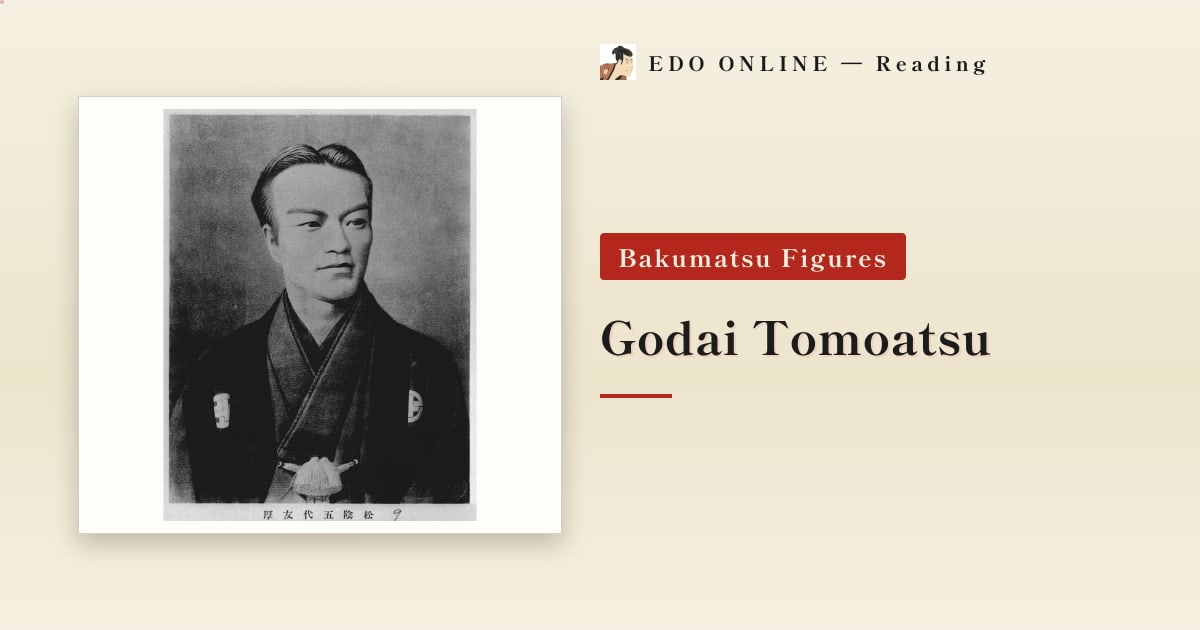
Godai Tomoatsu — The Man Who Rebuilt Osaka's Economy
A Satsuma samurai who smuggled himself to Britain, Godai Tomoatsu left government to rebuild Osaka after the Restoration, founding its chamber of commerce, stock exchange, and commercial school.
Harada Sanosuke — The Spearman of the Shinsengumi's Tenth Unit
Harada Sanosuke rose from servant's rank to captain of the Shinsengumi's tenth unit, fought with a spear rather than a sword, and is thought to have died at Ueno in 1868. The scar on his belly, and the survival legend.
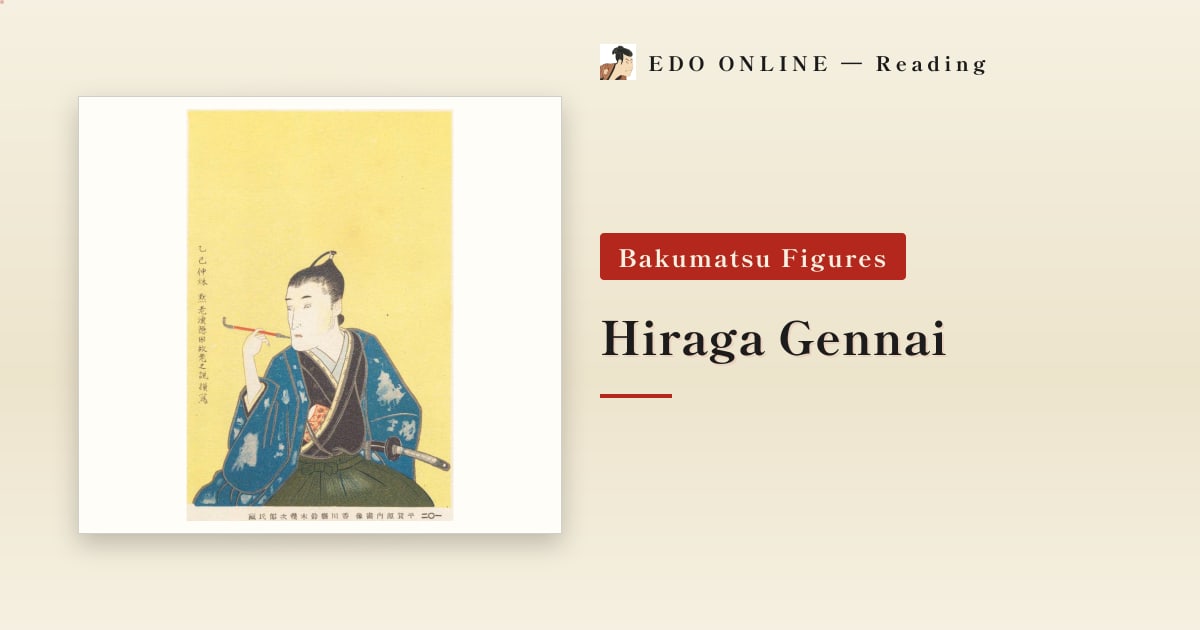
Hiraga Gennai — Electricity, Advertising, and a Death in Prison
Naturalist, inventor, satirist, and painter, Hiraga Gennai rebuilt an electrostatic generator, is credited with inventing a marketing slogan still used today, and died in prison after a fatal assault.
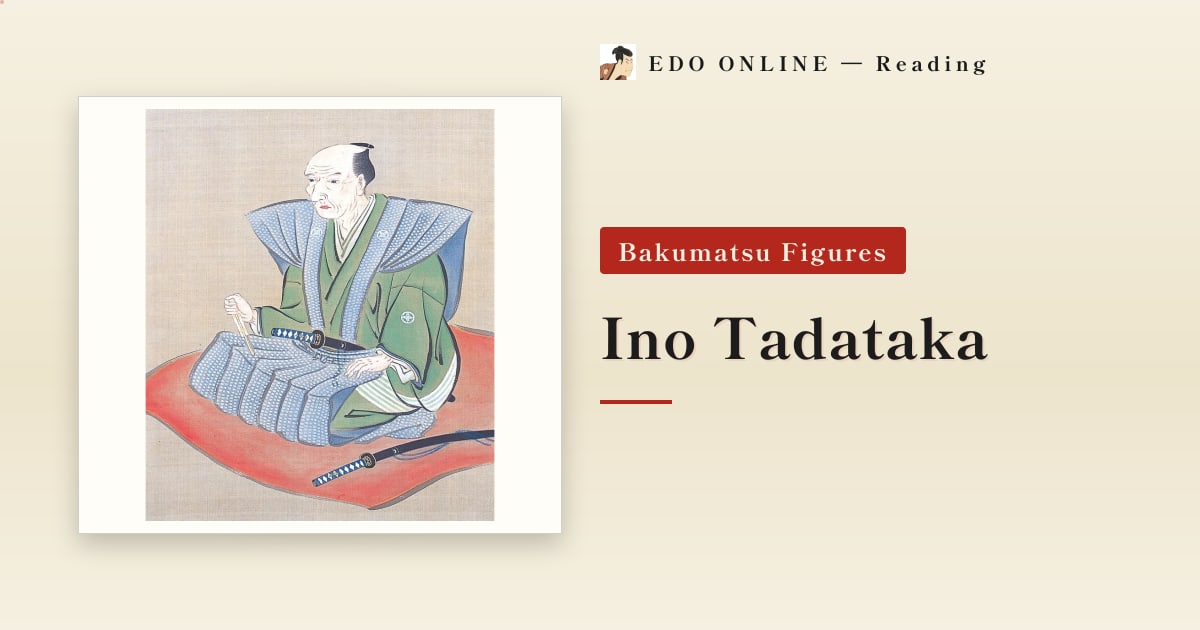
Ino Tadataka — The Merchant Who Walked Japan into Shape
Ino Tadataka retired from business at forty-nine, apprenticed himself to an astronomer nineteen years his junior, and spent seventeen years surveying Japan on foot. Why he really wanted the measurements, and how far he walked.
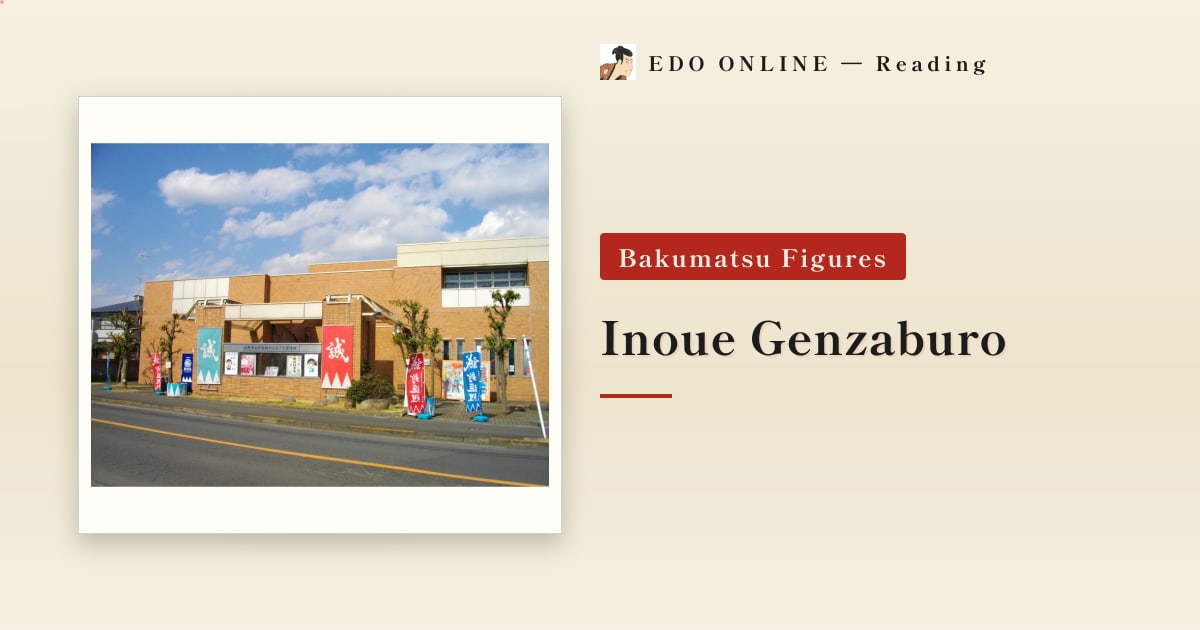
Inoue Genzaburo — The Shinsengumi Captain Who Never Left
The oldest of the Shinsengumi's senior officers, Inoue Genzaburo came from the same Tama dojo as Kondo and Hijikata, stayed with the unit from first to last, and died at Toba-Fushimi at forty.
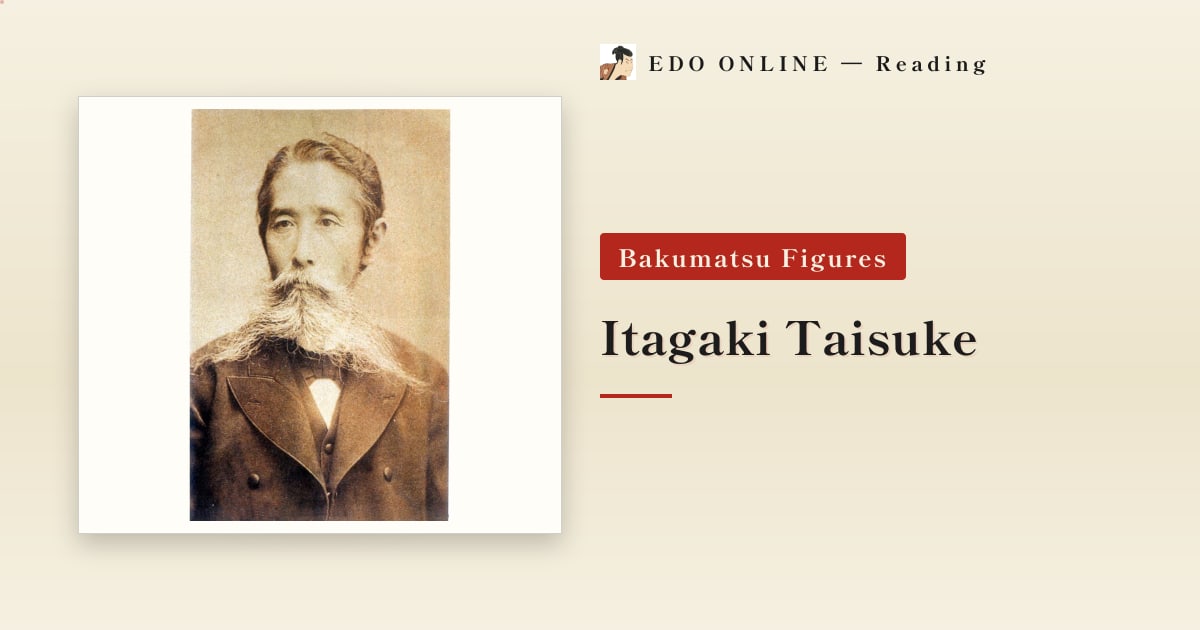
Itagaki Taisuke — Soldier of the Restoration, Father of the Opposition
Itagaki Taisuke fought the Boshin War for the imperial side, then spent the rest of his life demanding that the government he had helped create share its power. The truth behind his famous last words.
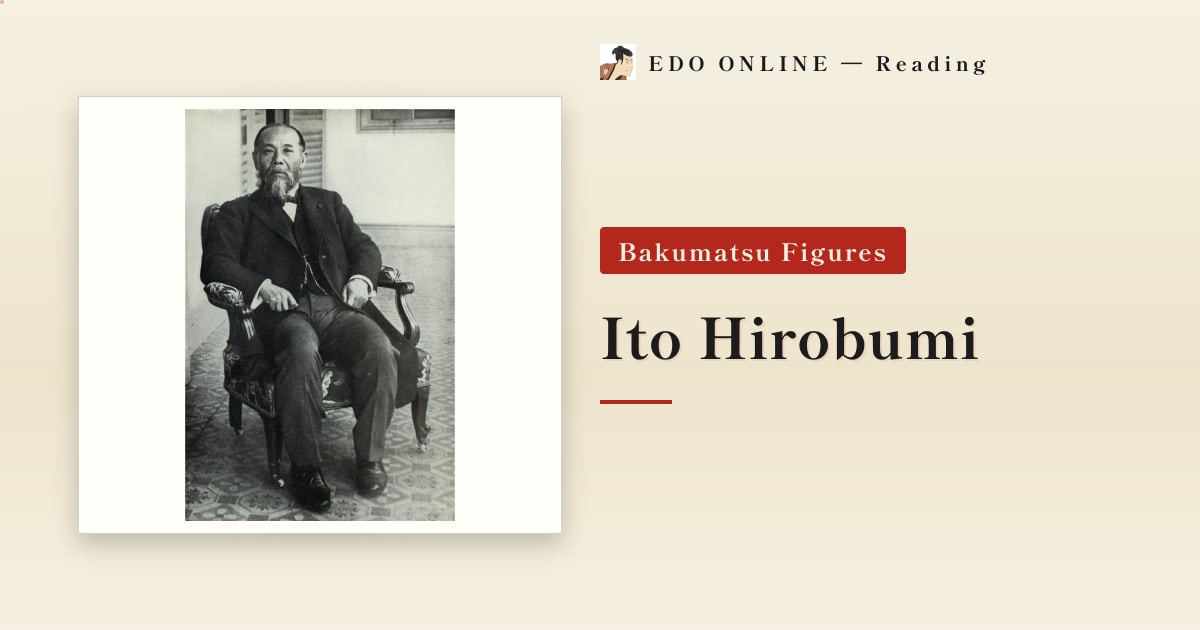
Ito Hirobumi — Japan's First Prime Minister
Born to a farming family and schooled at Yoshida Shoin's academy, Ito Hirobumi drafted Japan's first constitution, created its cabinet system, and became its first prime minister at forty-four.
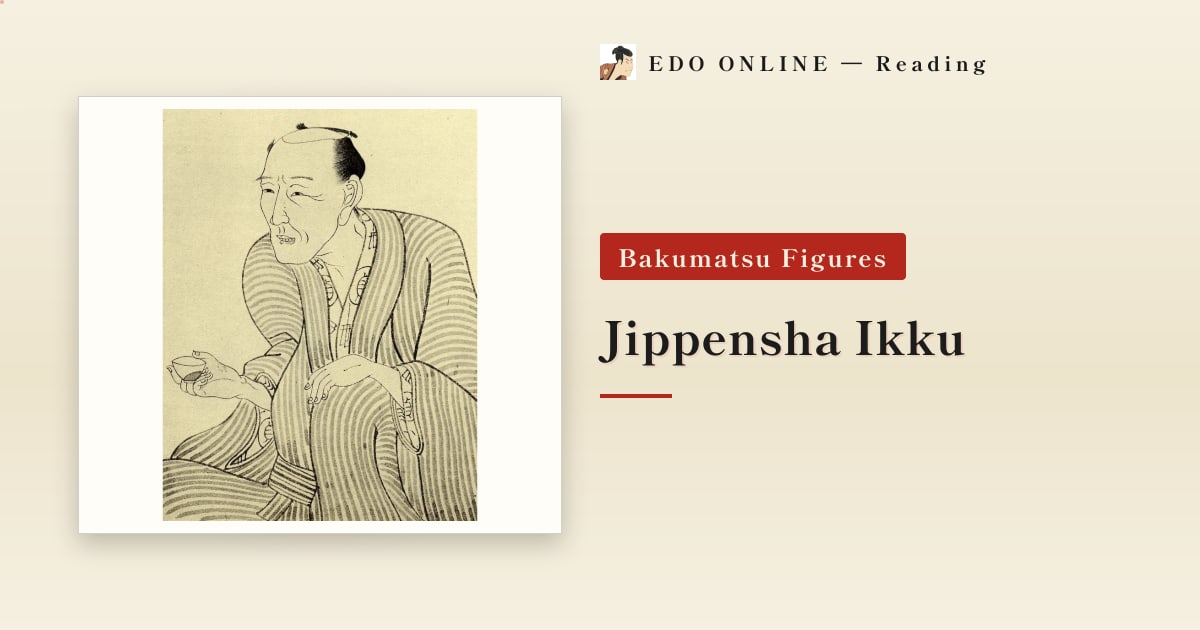
Jippensha Ikku — Japan's First Professional Author
Jippensha Ikku wrote a comic travel novel about two men bungling their way along the Tokaido, and it made him one of the first Japanese writers to live entirely on what he wrote.
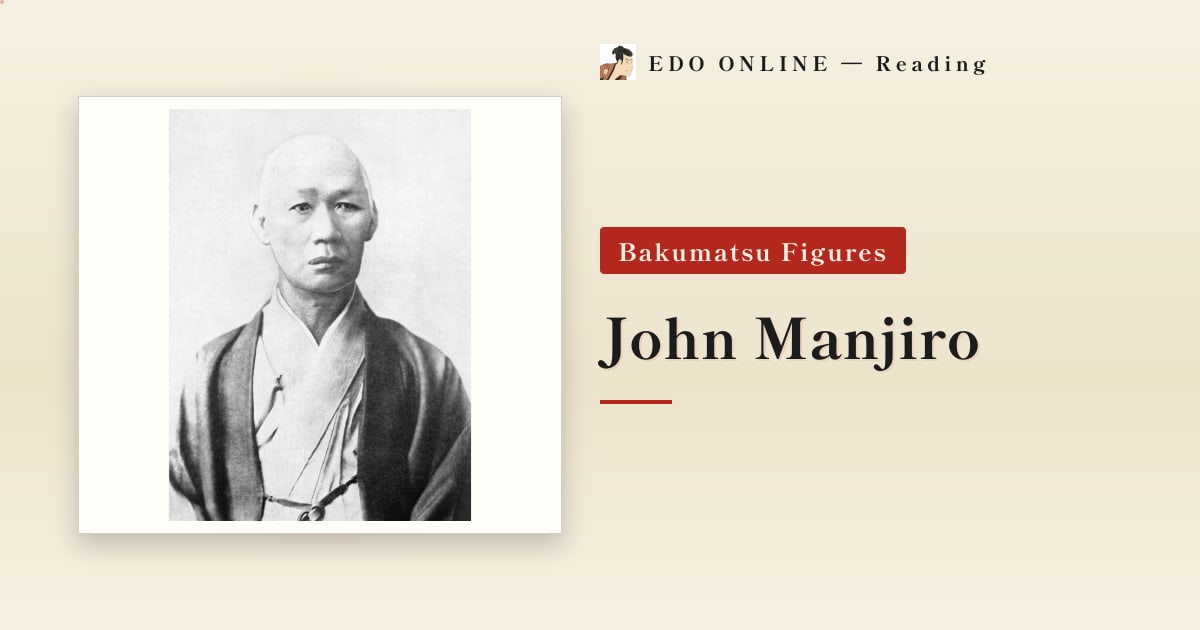
John Manjiro — The Shipwrecked Fisherman Who Learned America
Cast away at fourteen and rescued by an American whaler, Nakahama Manjiro spent a decade abroad before returning to a closed Japan. He became a shogunal retainer, a translator, and a bridge between two nations.
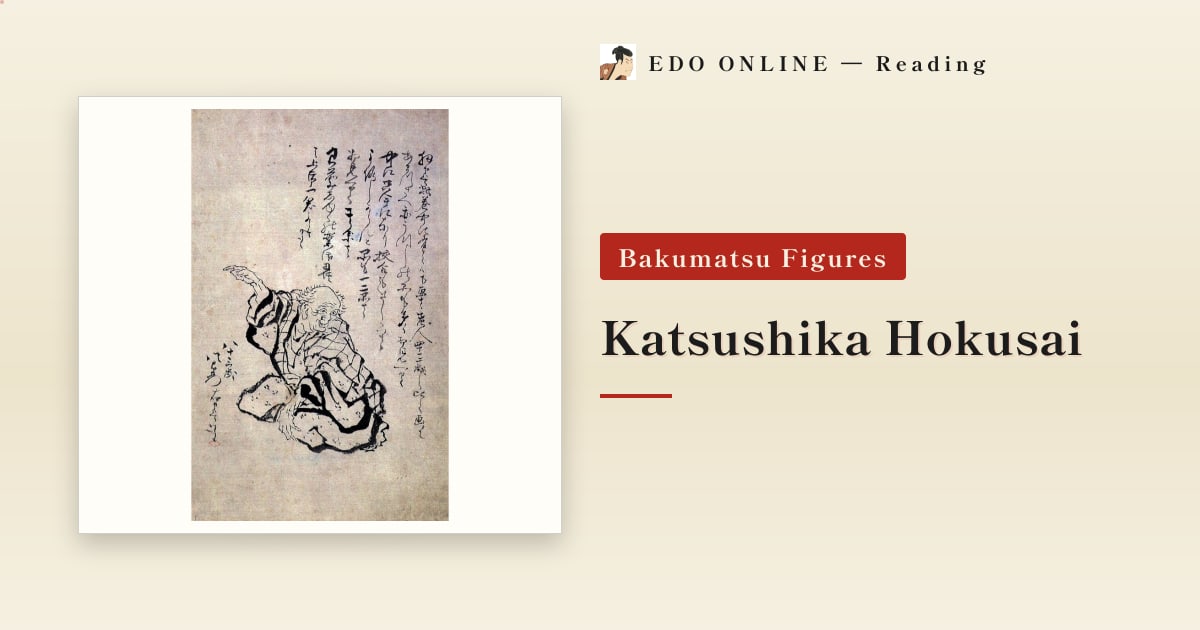
Katsushika Hokusai — The Great Wave and a Life of Restlessness
Hokusai painted the most famous image in Japanese art after the age of seventy, changed his artist name some thirty times, and on his deathbed complained that he needed just a few more years to become a real painter.
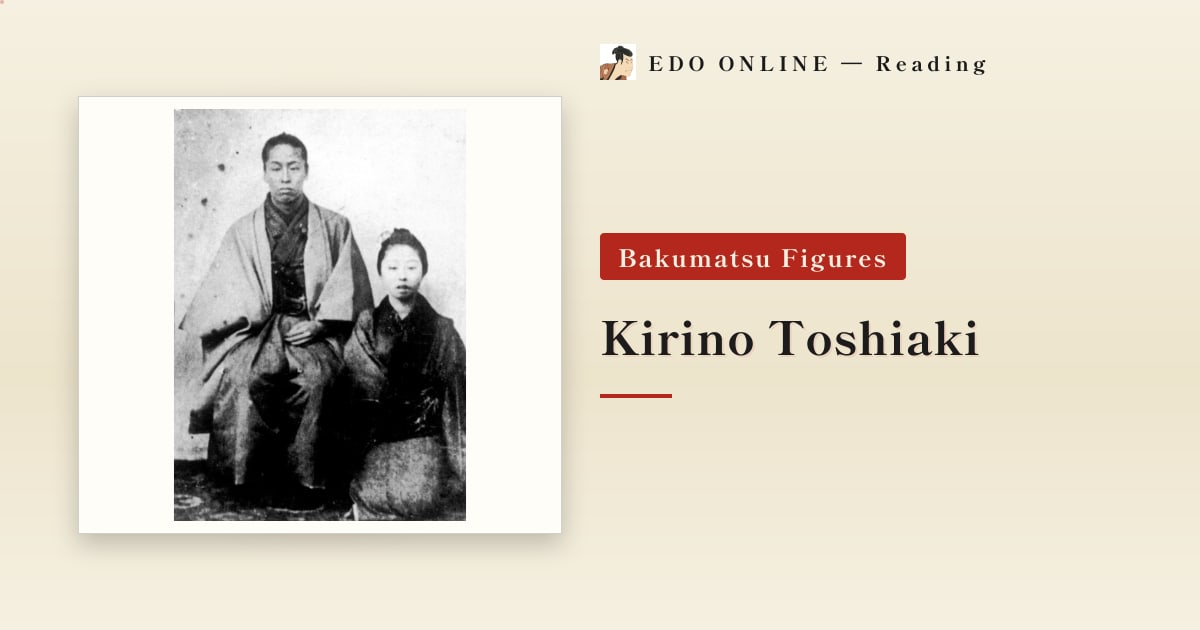
Kirino Toshiaki — From "Hanjiro the Manslayer" to General
Feared in Kyoto as Nakamura Hanjiro, he became a major general of the new army as Kirino Toshiaki, resigned with Saigo, and died commanding the rebel army at Shiroyama.
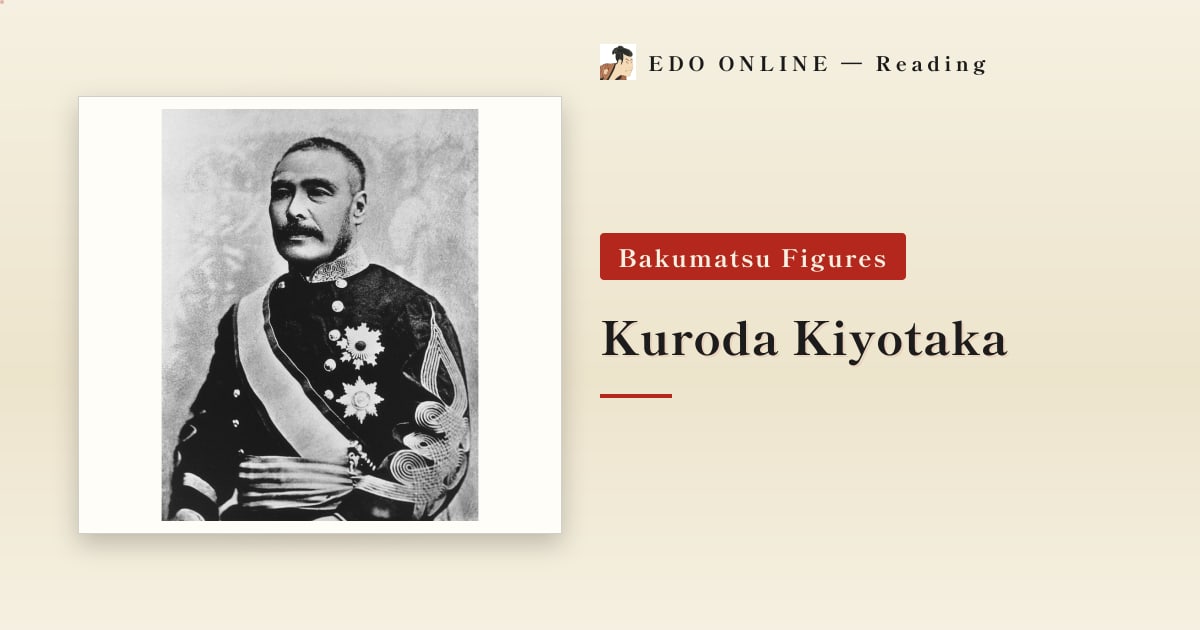
Kuroda Kiyotaka — Hokkaido, and the Rumour About His Wife
Kuroda Kiyotaka accepted Enomoto's surrender and then fought to spare his life, drove the development of Hokkaido, and was prime minister when Japan's first constitution was promulgated.
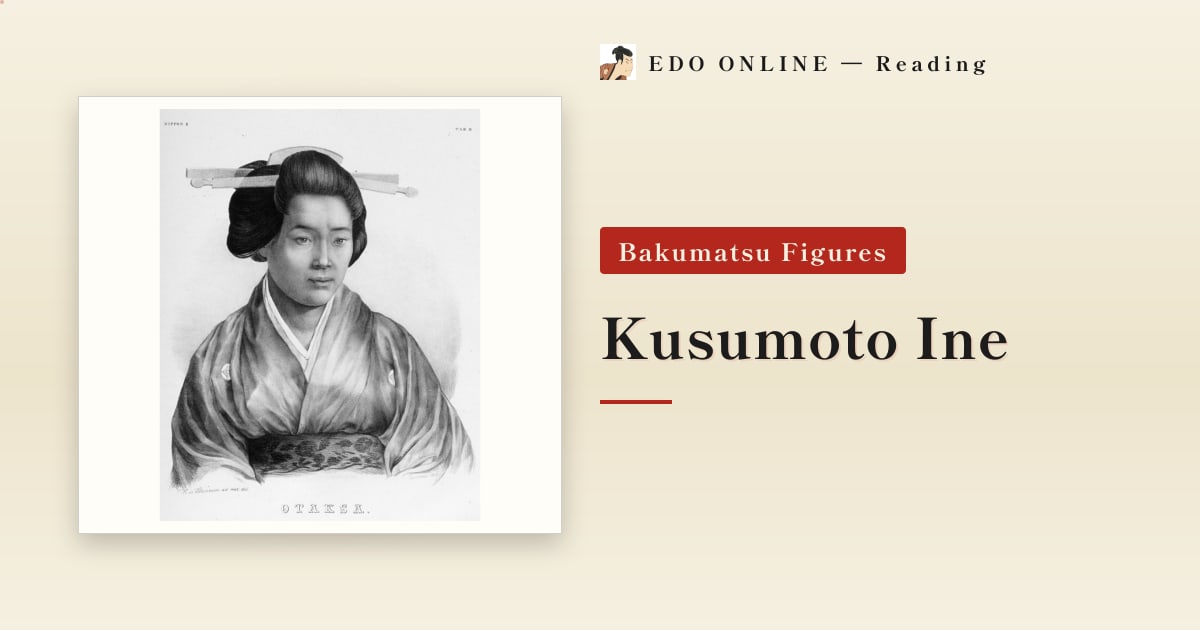
Kusumoto Ine — Siebold's Daughter, Japan's First Woman Doctor
Born to a Dutch-employed foreign physician and a Nagasaki woman, Kusumoto Ine studied Western obstetrics, practised as a physician, and was summoned to attend a birth at the imperial court.
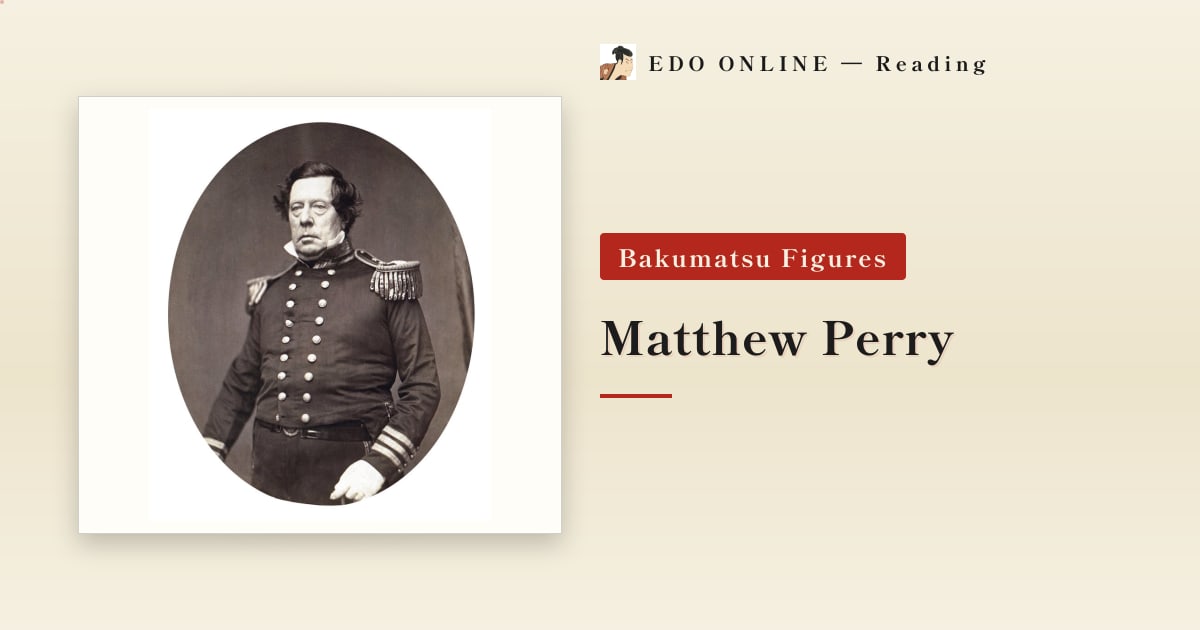
Matthew Perry — The Commodore Who Opened Japan
Commodore Matthew C. Perry brought four warships into Edo Bay in 1853 and ended more than two centuries of Japanese seclusion. Why America wanted Japan, what the treaty actually said, and how Perry died.
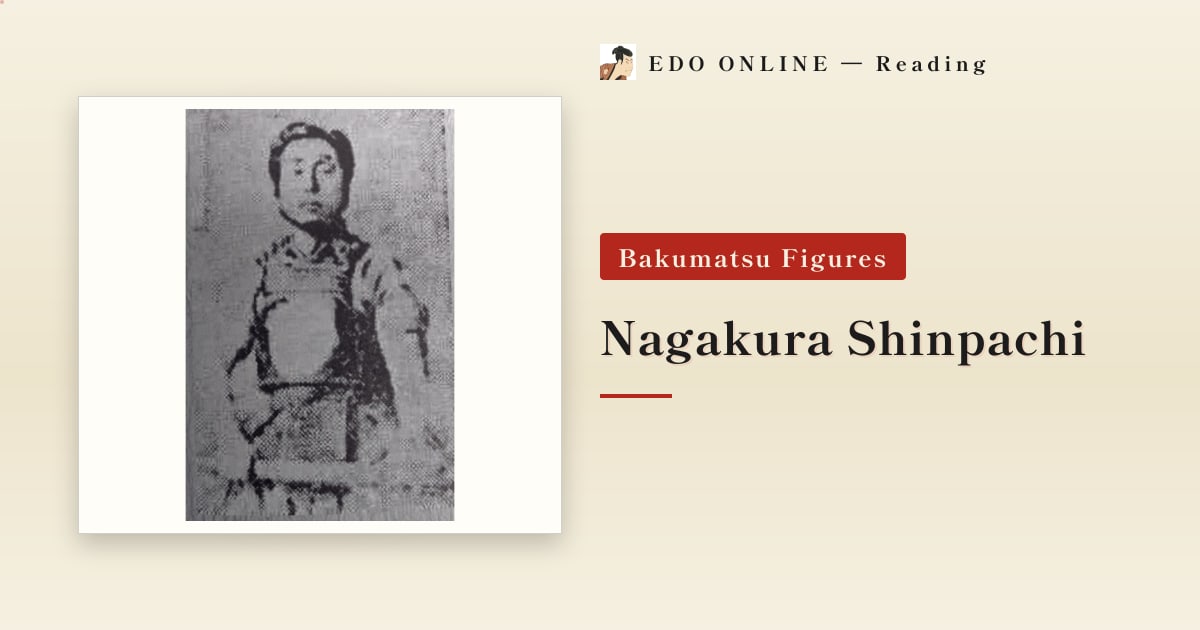
Nagakura Shinpachi — The Shinsengumi Swordsman Who Survived
Captain of the second unit, first through the door at the Ikedaya, and bold enough to file a formal complaint against his own commander. Nagakura outlived the Shinsengumi by nearly fifty years and left the record.
Nagasone Kotetsu — The Armourer Who Became a Master Swordsmith
Kotetsu made armour until roughly the age of fifty, then switched to forging blades and became one of the finest smiths of the Edo period. His signature was also forged on a huge scale.
Nakano Takeko — The Naginata Fighter of the Aizu Women's Corps
Refused permission to fight, Nakano Takeko took up a naginata and went out anyway during the Battle of Aizu. She was shot, and asked that her head be taken so the enemy could not have it.
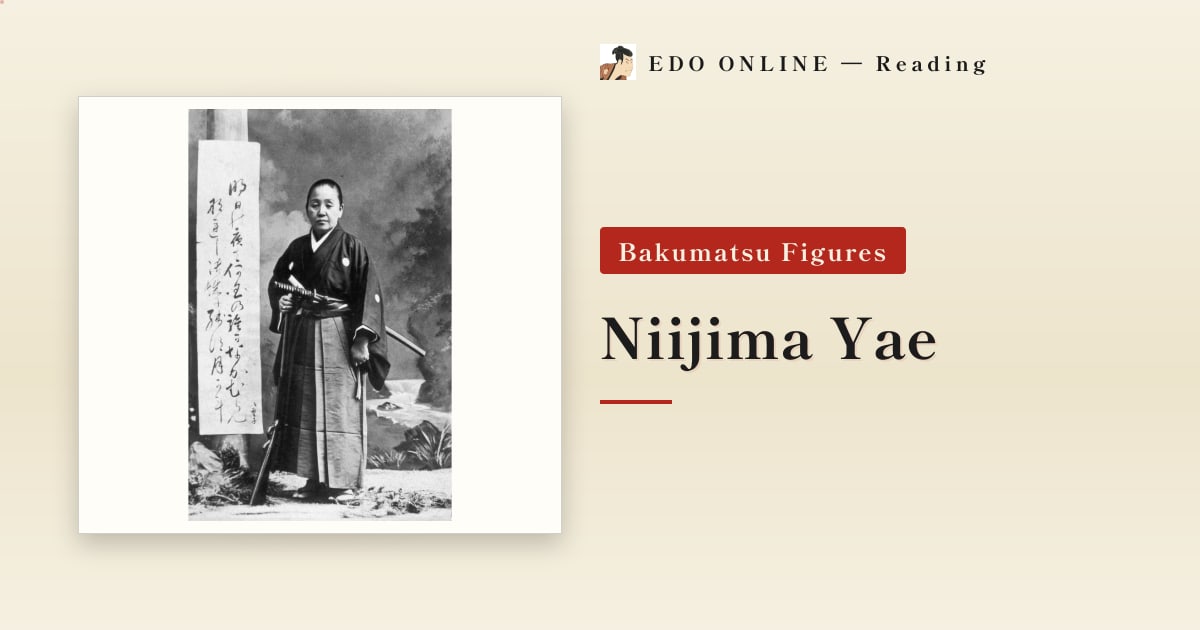
Niijima Yae — Rifle at Aizu, Then a Life in Kyoto
Yae defended Tsuruga Castle with a rifle in 1868, married the Christian founder of Doshisha, and nursed the wounded of two wars as a Red Cross volunteer. She died in 1932 at eighty-six.
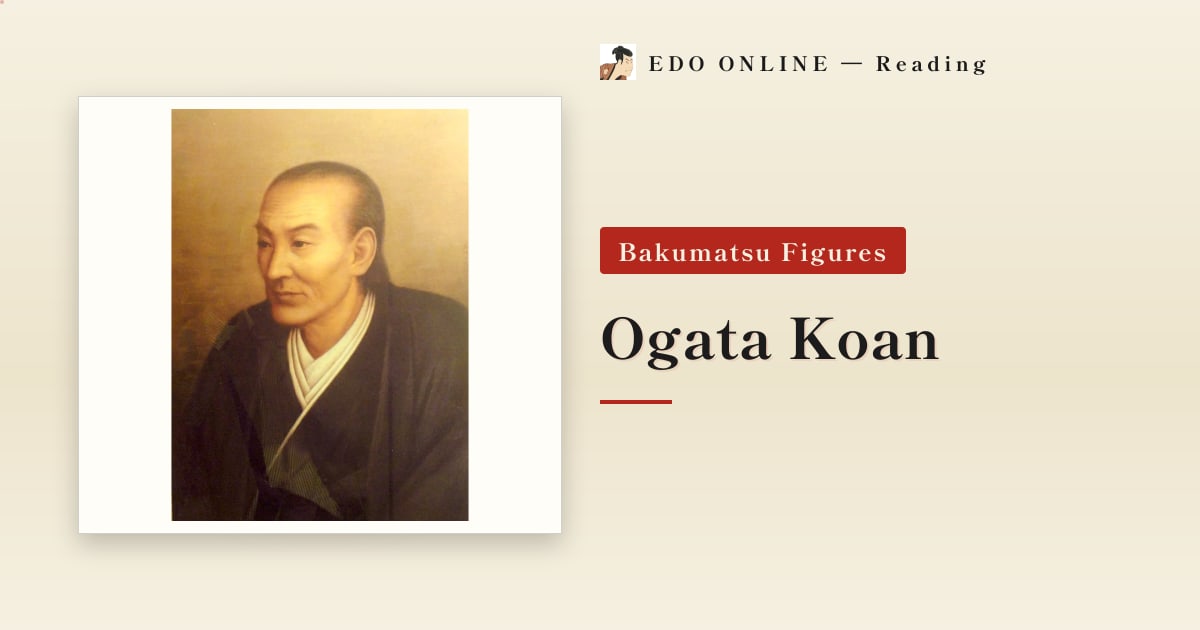
Ogata Koan — The Osaka School That Trained the Bakumatsu
Ogata Koan opened a school in Osaka that produced Fukuzawa Yukichi, Omura Masujiro, and much of the generation that built modern Japan. He also spread smallpox vaccination and fought cholera.
Okada Izo — The Real Man Behind "Izo the Manslayer"
A low-ranking Tosa swordsman who carried out assassinations in Kyoto on his superiors' orders, guarded Katsu Kaishu for a time, broke under torture, and was beheaded at twenty-seven.
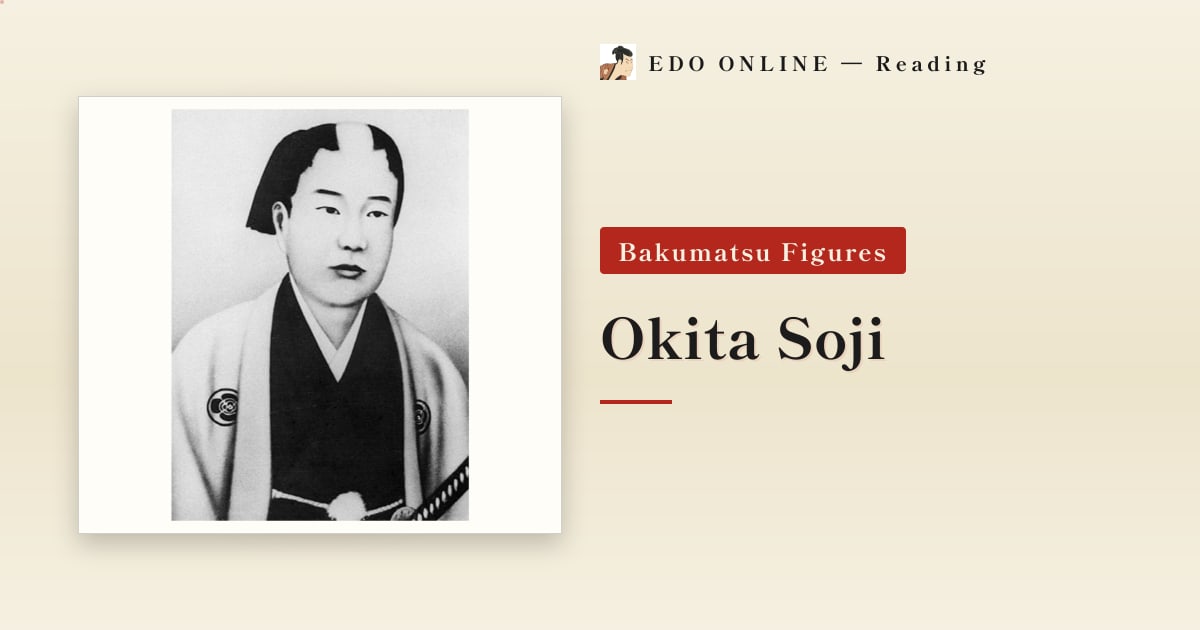
Okita Soji — The Shinsengumi's Best Swordsman, and What Killed Him
Captain of the Shinsengumi's first unit and widely held to be its finest swordsman, Okita Soji died of tuberculosis at around twenty-five. The truth about his sword, his supposed lovers, and his final months.
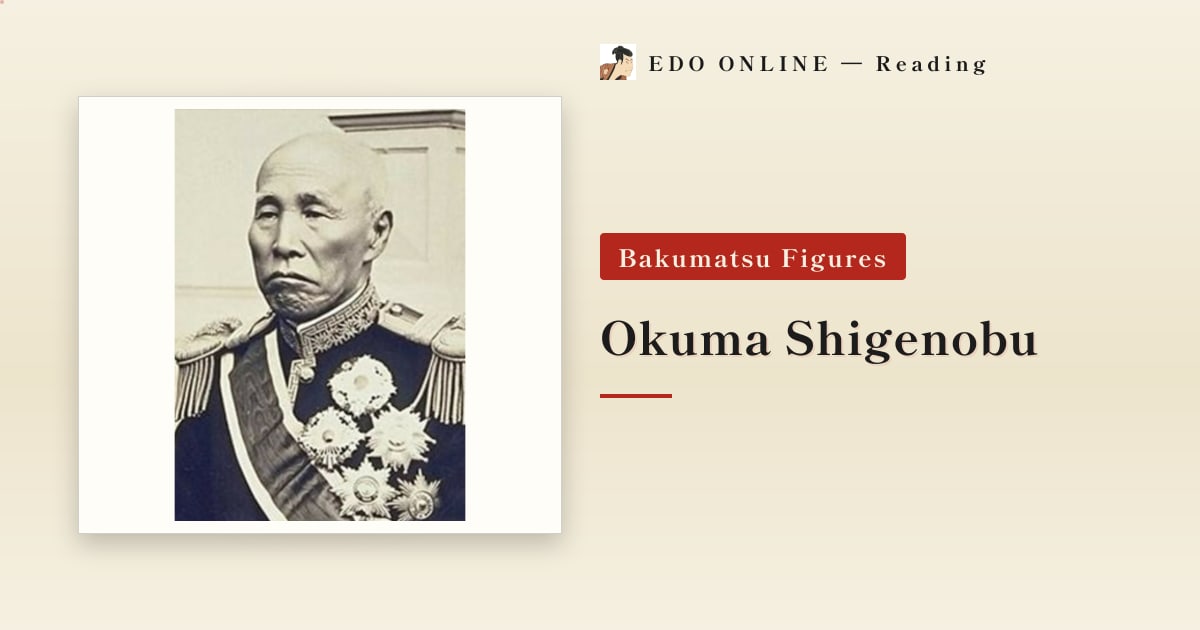
Okuma Shigenobu — Founder of Waseda, Japan's First Party Premier
Okuma Shigenobu built Meiji Japan's finances, lost a leg to a bomb while negotiating treaty revision, founded Waseda University, and led the country's first party cabinet.
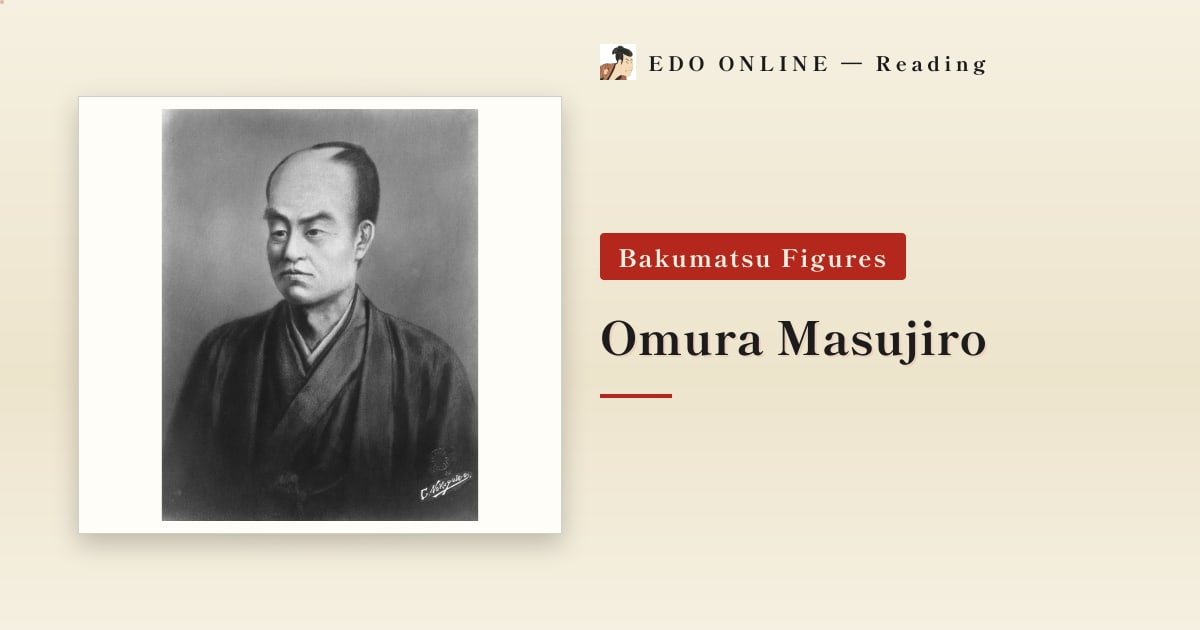
Omura Masujiro — The Country Doctor Who Built an Army
Born to a village physician, Omura Masujiro learned Dutch to read medicine and ended up reading military science. He broke the shogunate's army, ended the battle of Ueno in a day, and was cut down in Kyoto.
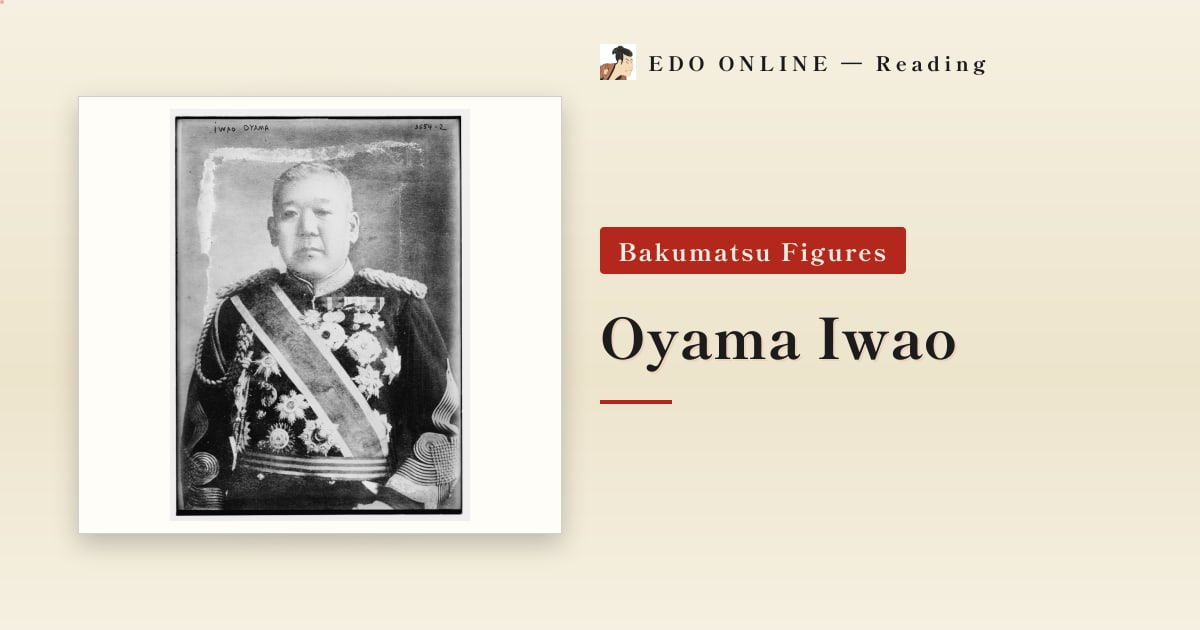
Oyama Iwao — The General Who Fought His Own Cousin
Oyama Iwao was Saigo Takamori's cousin and led government troops against him. His wife, Oyama Sutematsu, was the daughter of an Aizu chief retainer and the first Japanese woman to graduate from a university.
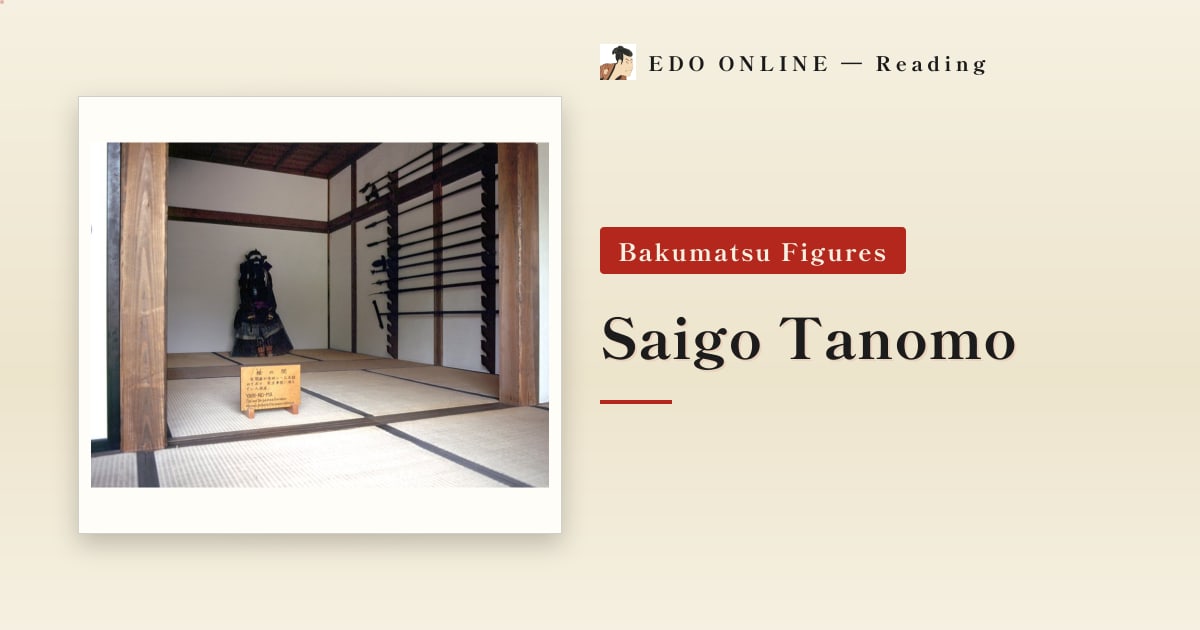
Saigo Tanomo — The Aizu Elder Whose Household Died Without Him
Saigo Tanomo argued twice against the course his domain took, and was overruled twice. When imperial troops entered Aizu, twenty-one members of his family died in his house while he was at the castle.
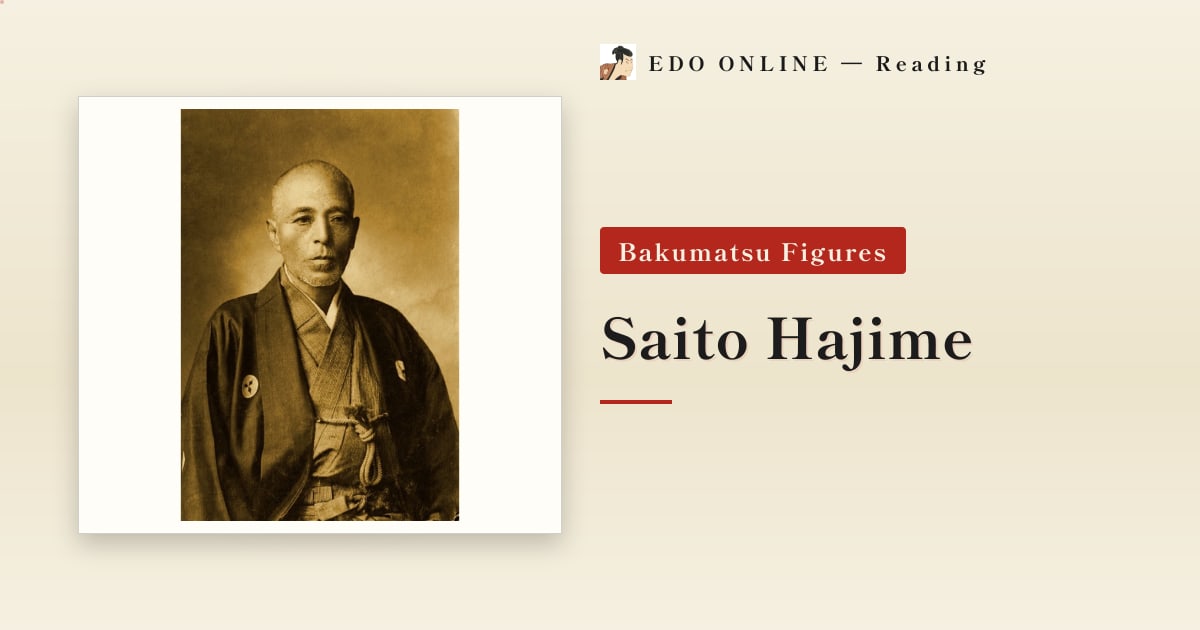
Saito Hajime — The Shinsengumi Captain Who Stayed at Aizu
Captain of the Shinsengumi's third unit, Saito Hajime infiltrated a breakaway faction, refused to abandon Aizu as it fell, and lived on into the twentieth century as the police officer Fujita Goro.
Serizawa Kamo — The Shinsengumi Chief Killed by His Own Men
Serizawa Kamo was one of the chiefs of the Shinsengumi's predecessor, alongside Kondo Isami, and was assassinated in his sleep by members of his own unit. His swordsmanship, his violence, and the purge that followed.
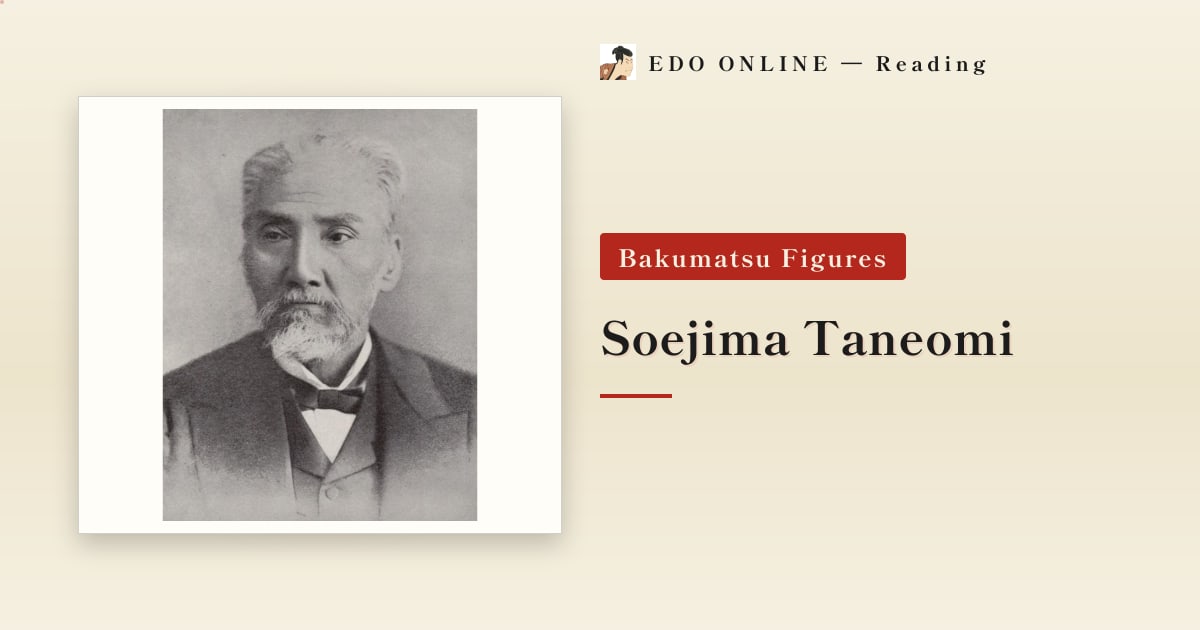
Soejima Taneomi — The Foreign Minister Who Freed the Coolies
As foreign minister, Soejima Taneomi tried a Peruvian ship in a Japanese court and freed the Chinese labourers aboard. He is also one of the most admired calligraphers of the Meiji era.
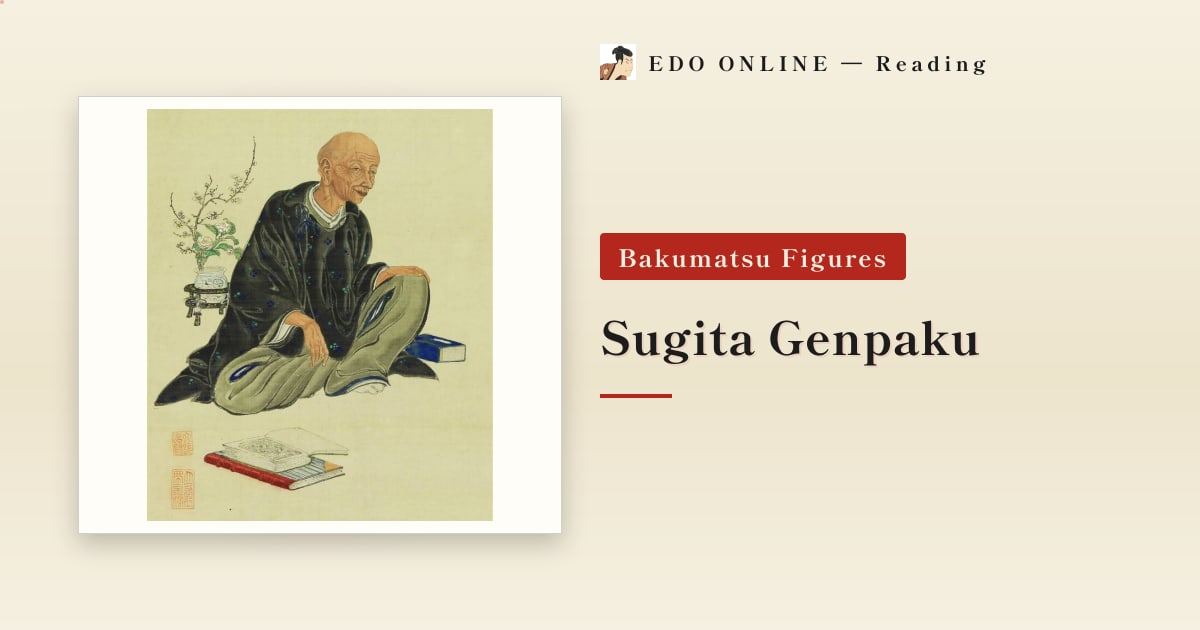
Sugita Genpaku — Translating Anatomy Without a Dictionary
After watching a dissection at an execution ground, Sugita Genpaku and his colleagues translated a Dutch anatomy text with almost no dictionary to work from. The result opened Western learning in Japan.
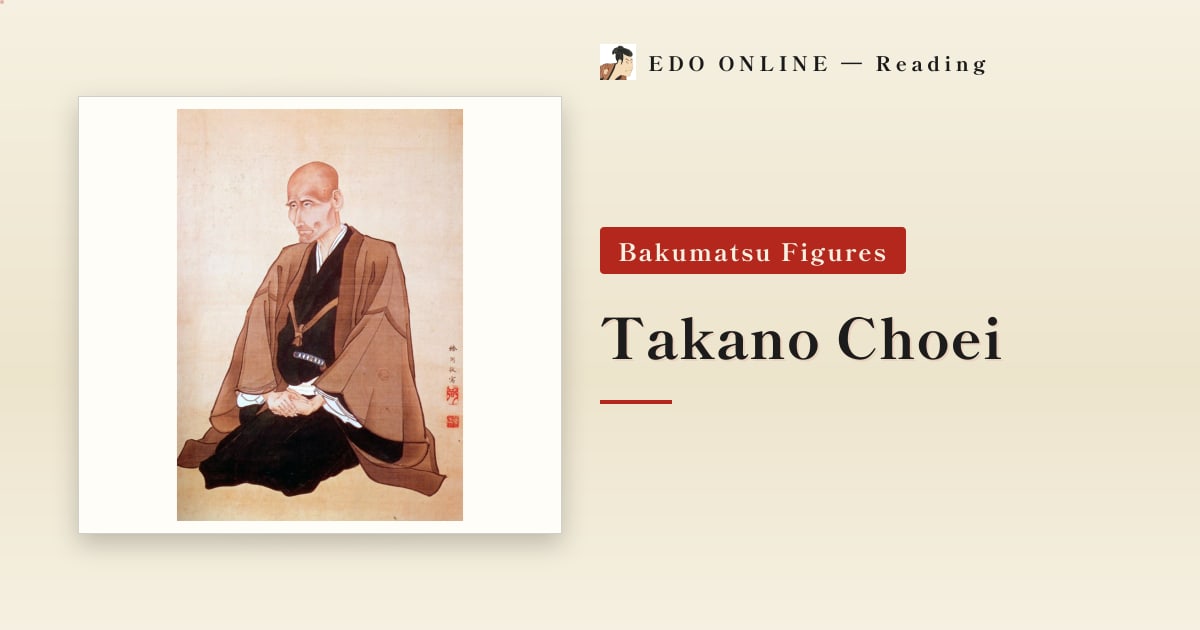
Takano Choei — Six Years on the Run from a Life Sentence
Sentenced to life for criticizing the shogunate's policy on foreign ships, Takano Choei escaped prison and stayed at large for six years, translating military texts from hiding.
Todo Heisuke — First Through the Door, Killed by His Own Side
Todo Heisuke helped found the Shinsengumi and led the charge at the Ikedaya. Three years later he left with a breakaway faction and was cut down by his former comrades.
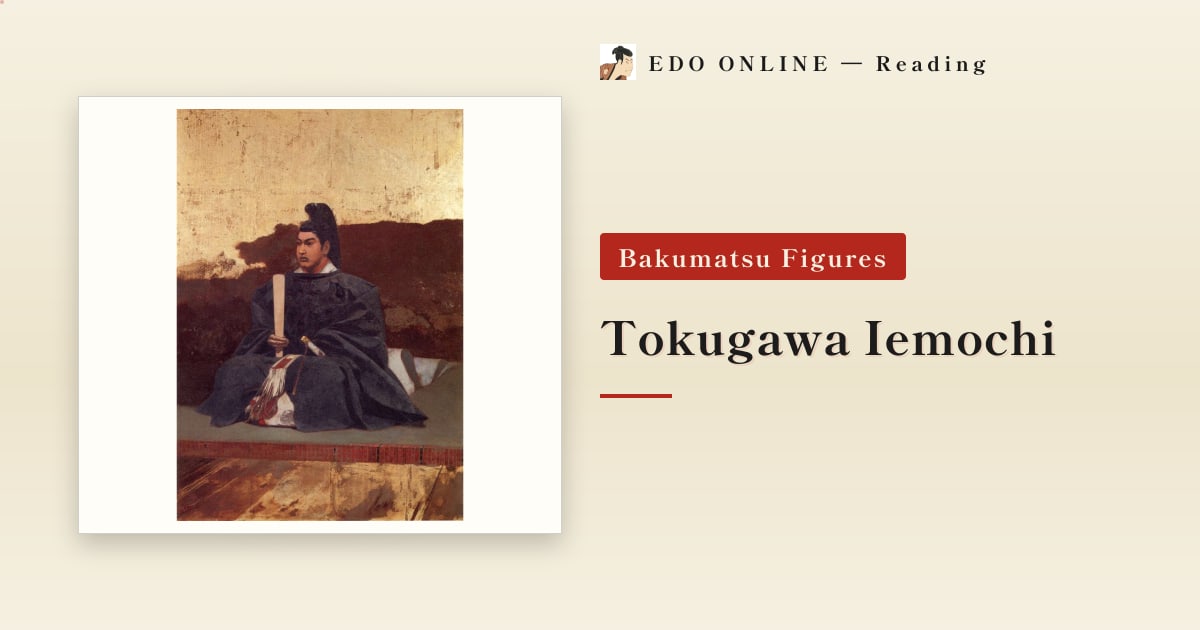
Tokugawa Iemochi — The Shogun Who Died at Twenty
Made shogun at twelve and dead at twenty, Tokugawa Iemochi presided over the shogunate's worst years. What killed him, why his political marriage turned into a real one, and why Katsu Kaishu mourned him.
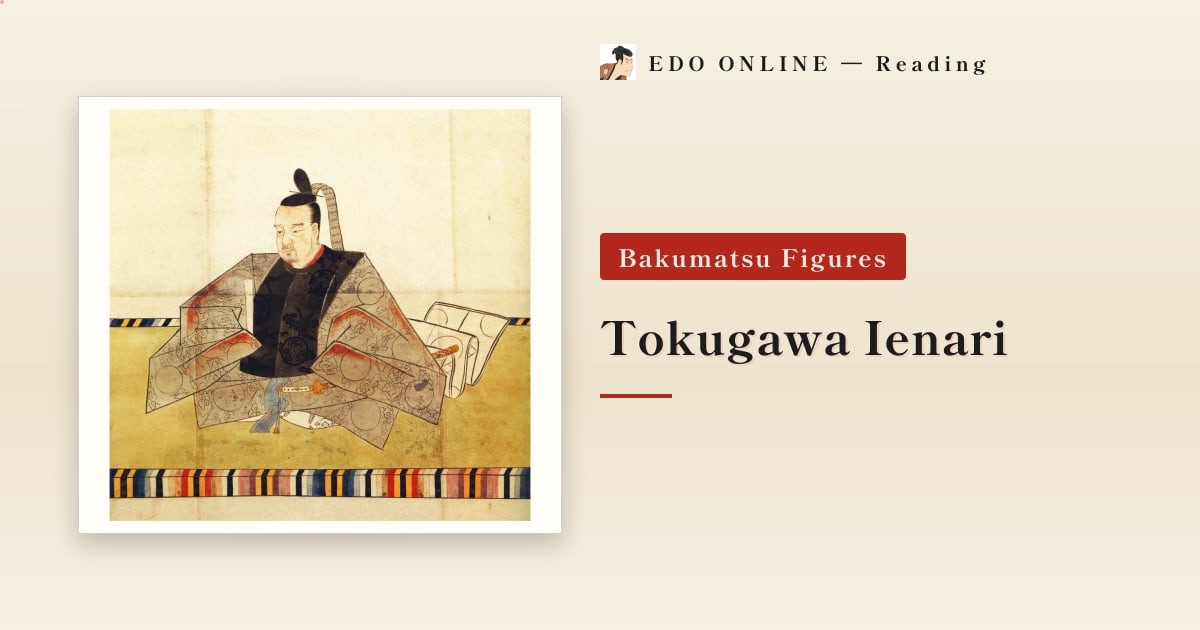
Tokugawa Ienari — Fifty Years as Shogun, and Fifty-Odd Children
Ienari held the shogunate longer than anyone else in the Tokugawa line, fathered more than fifty children, and presided over the flowering of Edo townsman culture — and over the finances that undid it.
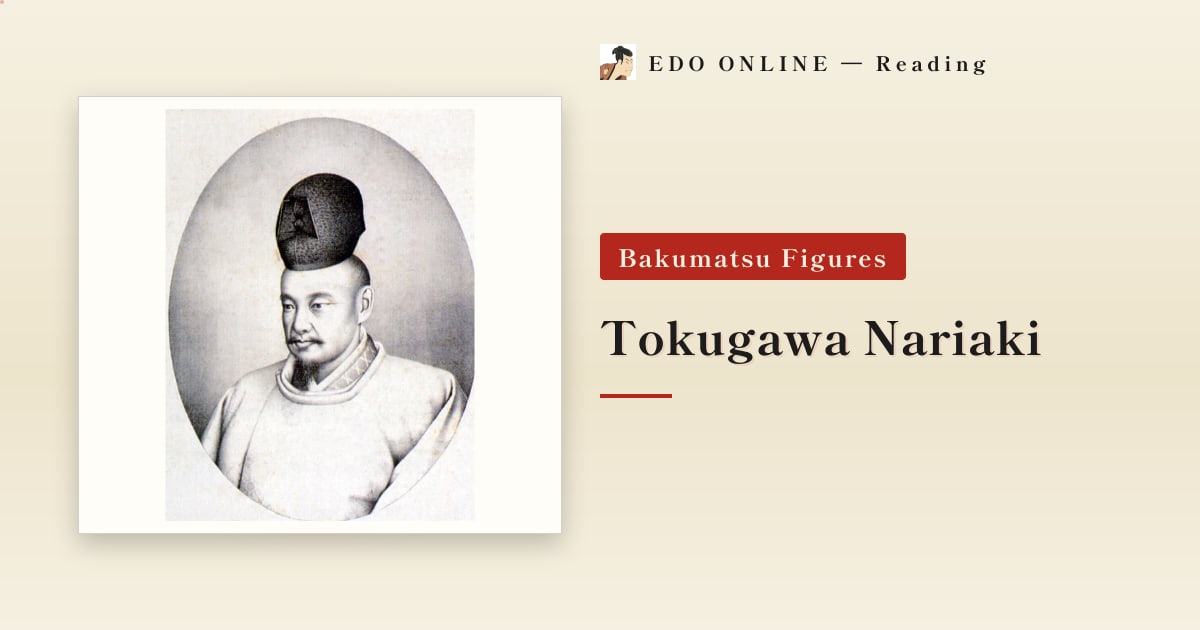
Tokugawa Nariaki — The Lord of Mito Who Armed an Ideology
Nariaki rebuilt Mito domain, cast cannon against the foreign threat, and turned Mito learning into the political force behind sonno joi. His seventh son became the last shogun.
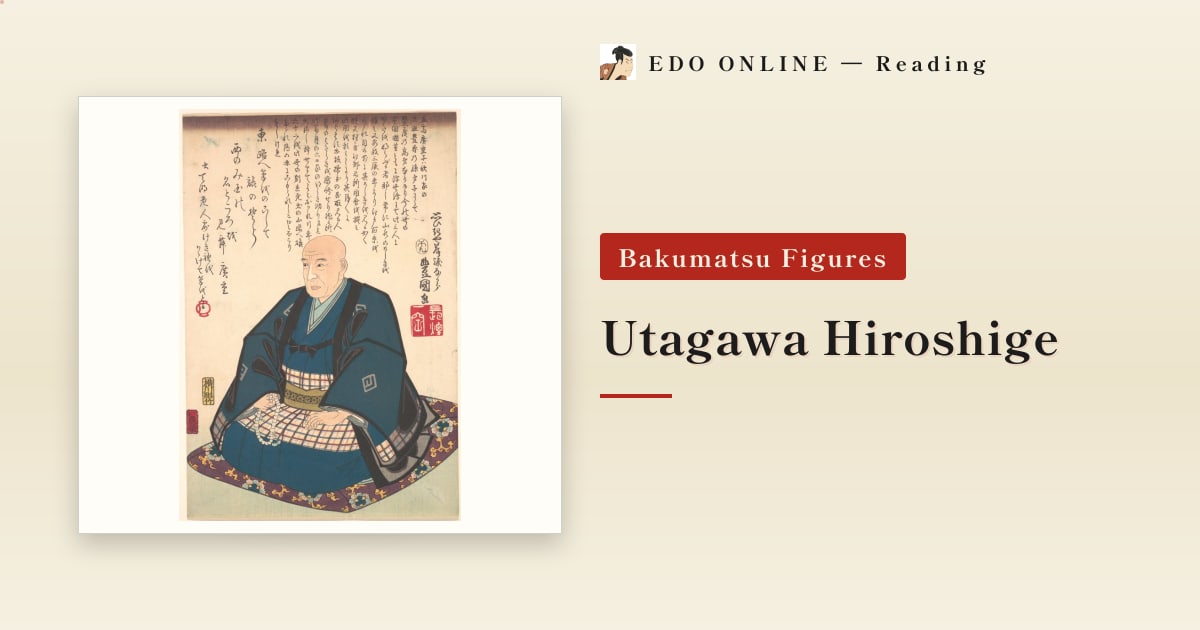
Utagawa Hiroshige — The Fireman's Son Who Made Landscape Art
Hiroshige turned ukiyo-e away from actors and beauties toward rain, snow, and roadside inns. His Fifty-three Stations and One Hundred Views reshaped Japanese printmaking and later European painting.
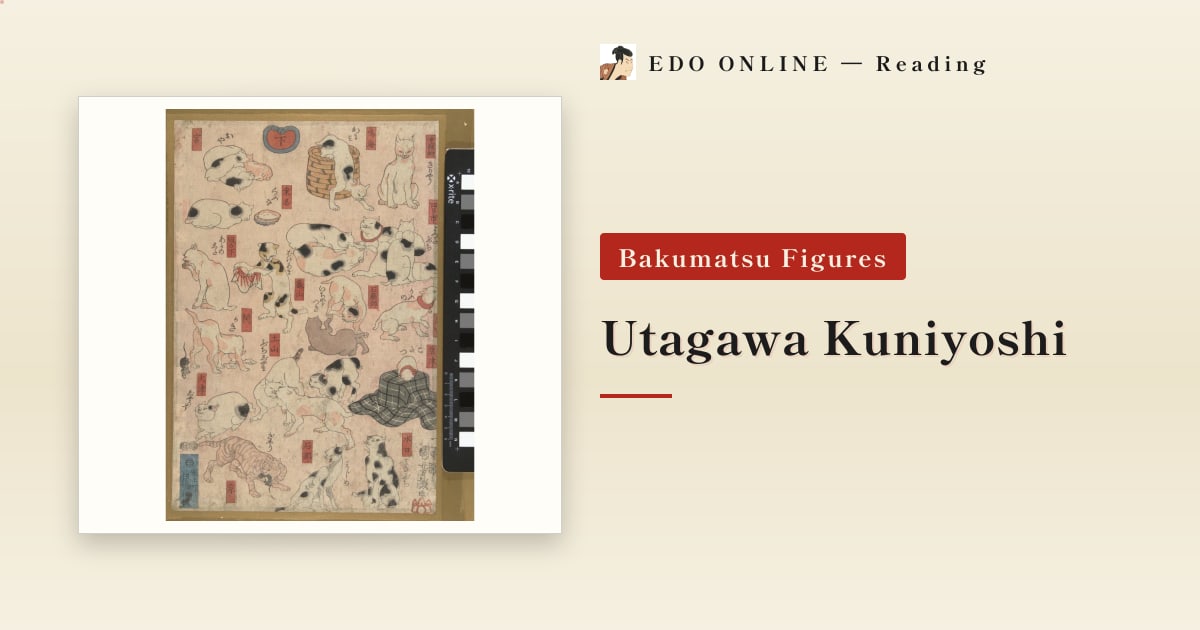
Utagawa Kuniyoshi — Warriors, Cats, and Political Satire
Kuniyoshi made his name with tattooed heroes from the Water Margin, filled his prints with cats, and produced images that Edo read as political satire when direct criticism was banned.
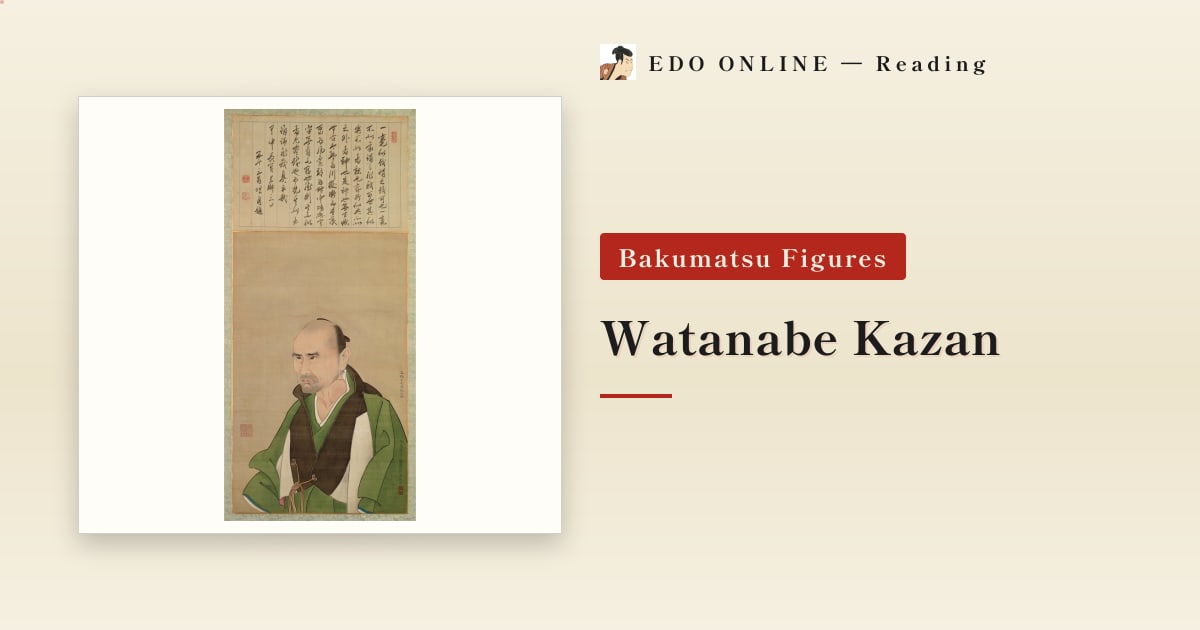
Watanabe Kazan — Painter, Chief Retainer, and Victim of a Purge
Kazan painted a portrait now designated a National Treasure, ran a domain through famine, and was punished for an essay he never published. He took his own life at forty-eight.
Yamamoto Kakuma — Blind, Imprisoned, and Redesigning Japan
An Aizu gunnery instructor who lost his sight, was imprisoned by the enemy, and dictated a blueprint for a modern Japanese state from confinement. He then rebuilt Kyoto and helped found Doshisha.
Yamanami Keisuke — The Shinsengumi Officer Who Ran and Was Made to Die
Yamanami Keisuke held the rank of socho, general commander of the Shinsengumi, then walked out of the barracks. He was brought back and ordered to commit seppuku. Why he left is still unsettled — and so is his photograph.
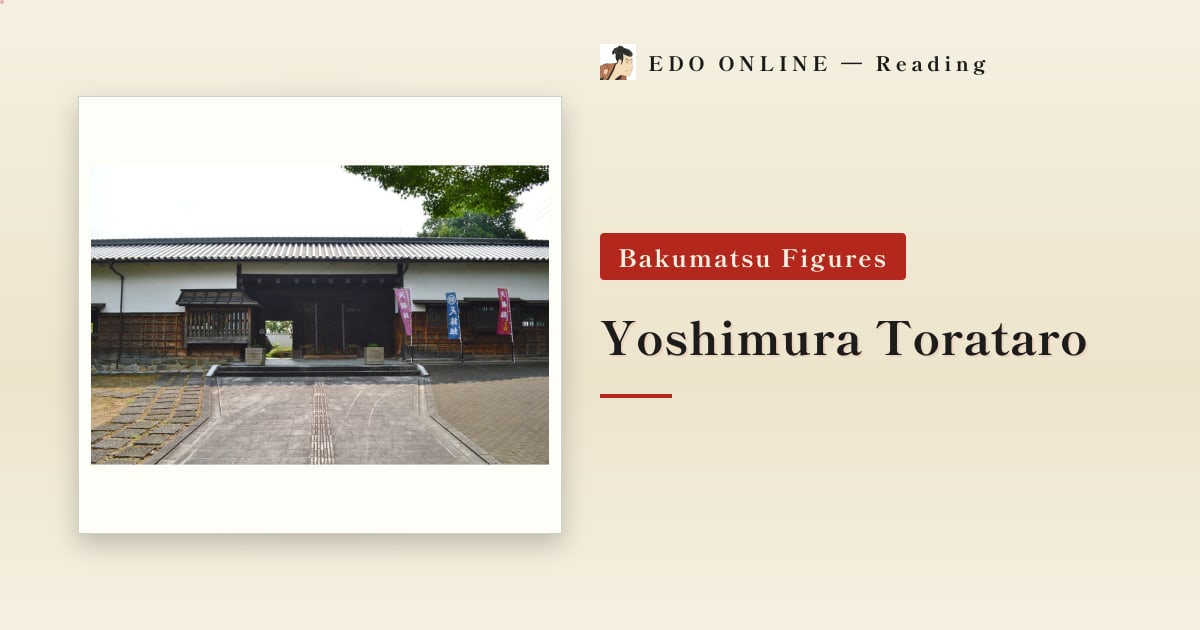
Yoshimura Torataro — The Village Headman Who Rose Too Early
Five years before the Restoration, a Tosa village headman led an armed rising against the shogunate in Yamato. A palace coup the next day turned him from vanguard into outlaw. He died at twenty-six.
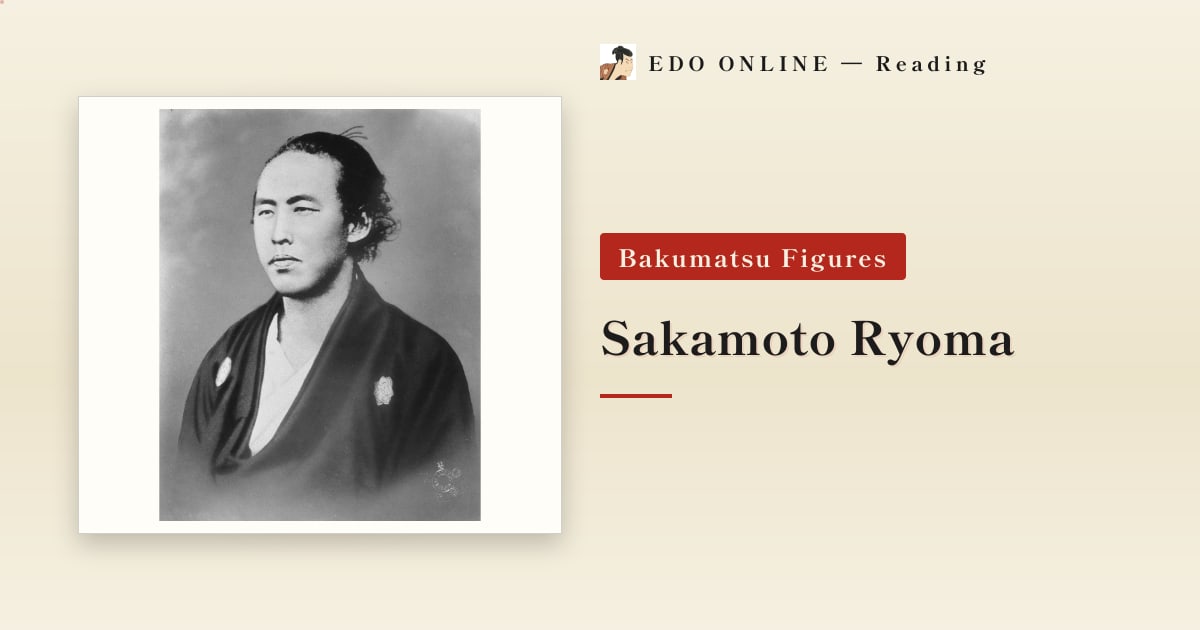
Who Was Sakamoto Ryoma? Life, Achievements and Assassination
A low-ranking Tosa samurai who left his domain, built a trading company, and brokered the Satsuma-Choshu Alliance. Who killed him, what he actually achieved, and why he became a national icon.
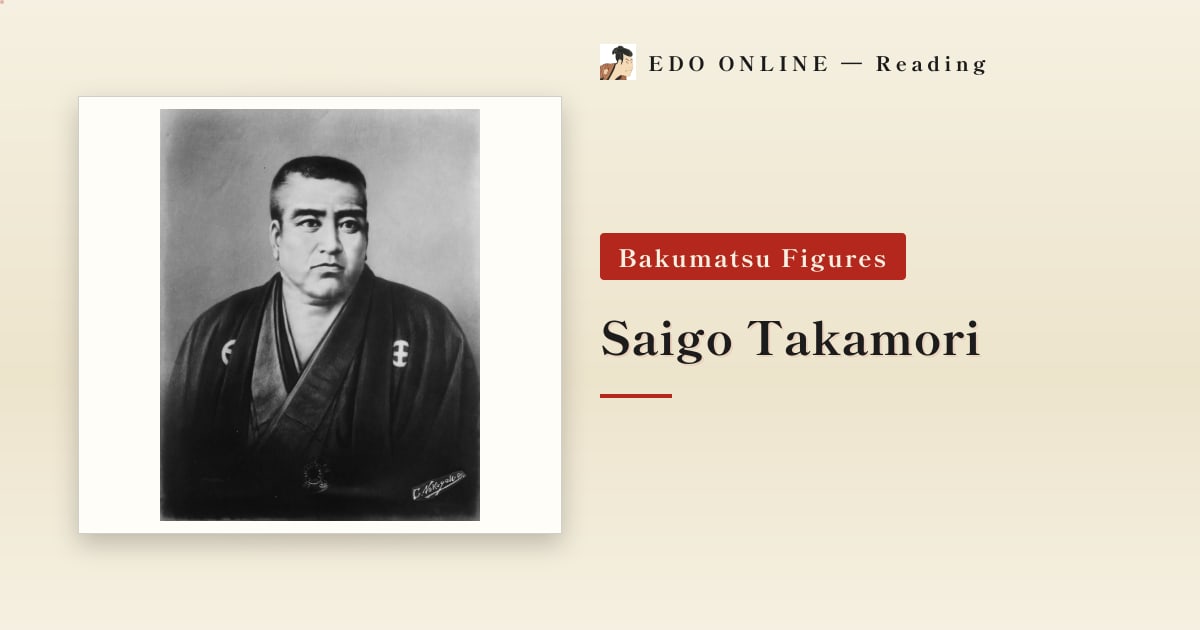
Who Was Saigo Takamori? Life, Achievements and Final Stand
He achieved the bloodless surrender of Edo and became a central architect of the Meiji Restoration, then died leading a rebellion against it. His life, his break with Okubo, and how he died.
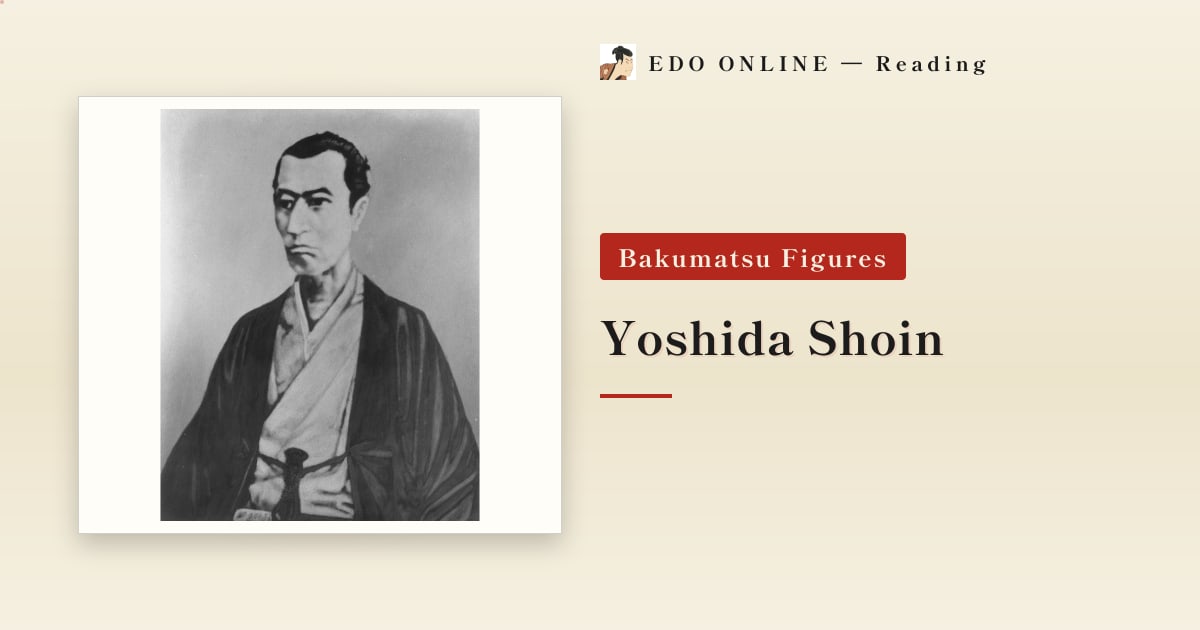
Who Was Yoshida Shoin? The Teacher Who Trained the Restoration
In barely more than a year of running a small private school, Yoshida Shōin educated the men who would lead the Meiji Restoration. From his upbringing and travels of study to the Black Ship stowaway attempt, the Shōka Sonjuku, and his death in the Ansei Purge — a fact-based portrait with a detailed chronology.
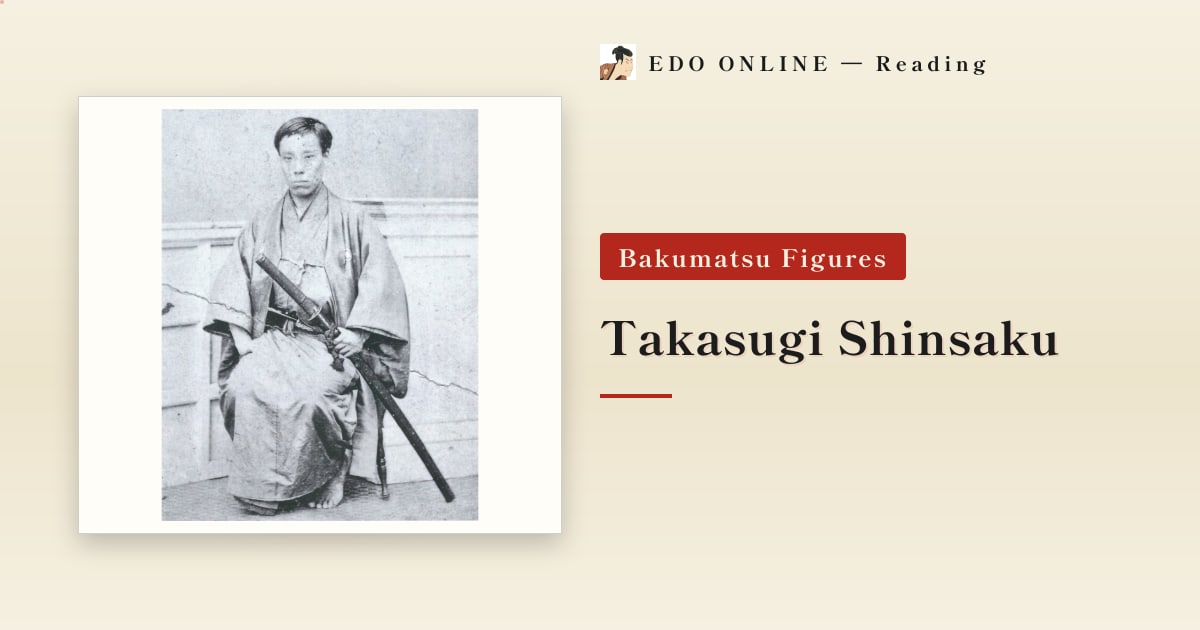
Who Was Takasugi Shinsaku? A Life of Twenty-Seven Years
He turned Choshu toward overthrowing the shogunate with the rising at Kozan-ji, then died of tuberculosis at twenty-seven. His life, his death poem, his cause of death and his grave.
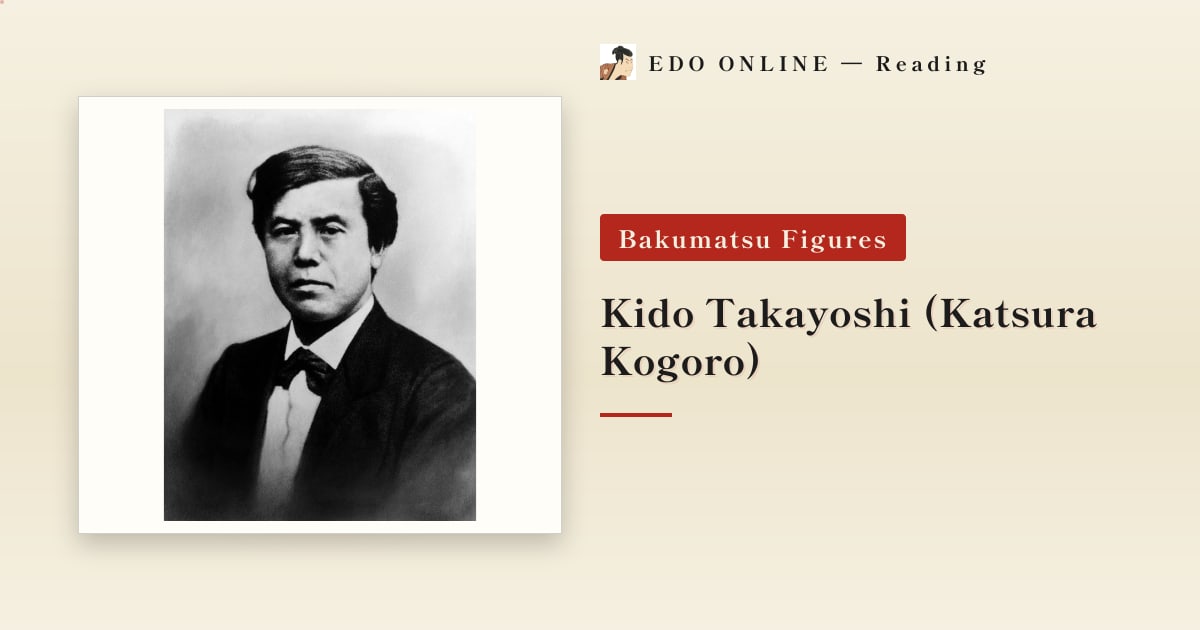
Who Was Kido Takayoshi (Katsura Kogoro)? Life and Achievements
One of the Three Great Nobles of the Restoration, who signed the Satsuma-Choshu Alliance for Choshu and built the new government. Why he changed his name, and what his diary reveals.
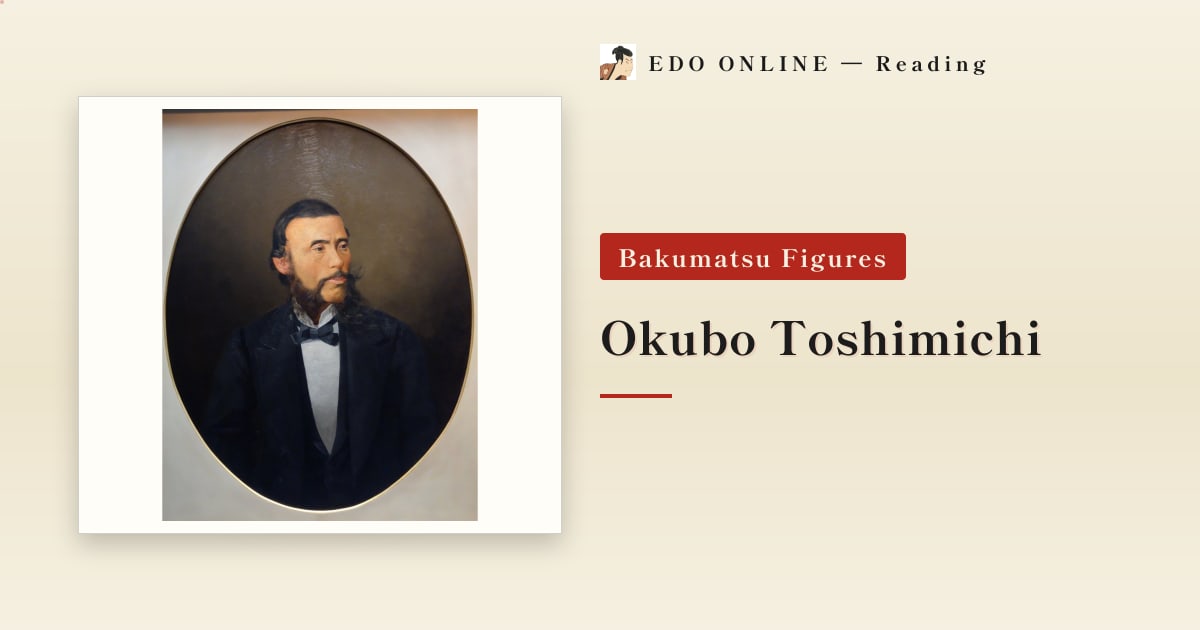
Who Was Okubo Toshimichi? Achievements and Descendants
One of the Three Great Nobles of the Restoration, Okubo Toshimichi built the framework of the Meiji state before being assassinated. His achievements, his break with Saigo, and his descendants including Taro Aso.
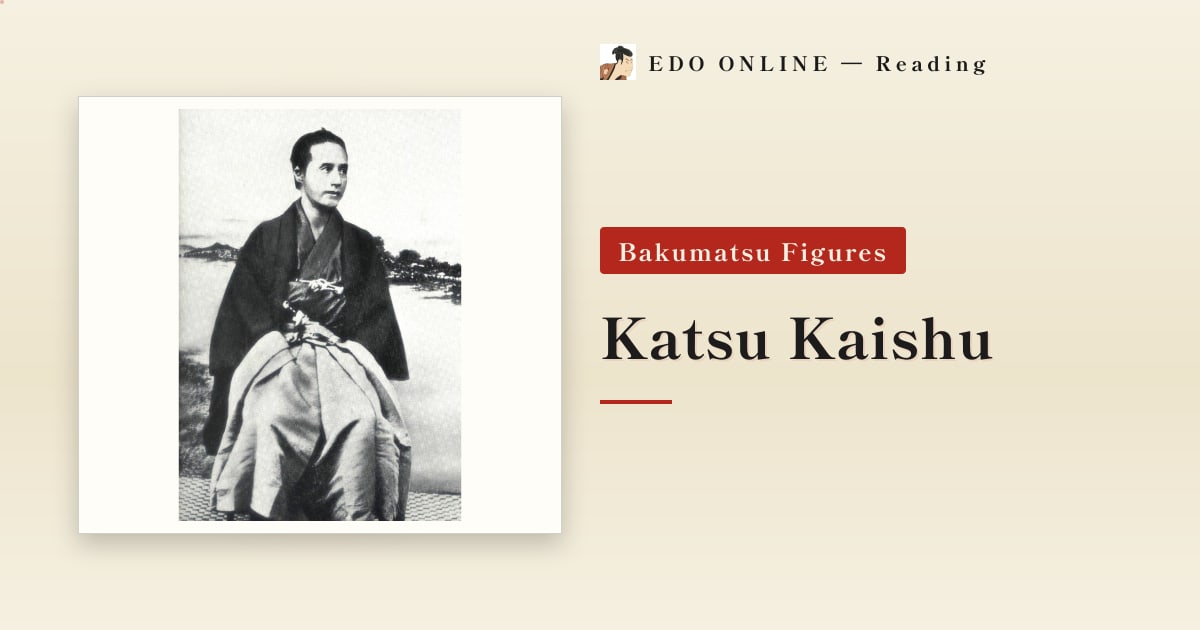
Who Was Katsu Kaishu? The Man Who Saved Edo from Destruction
A shogunal official who crossed the Pacific, taught Sakamoto Ryoma, and negotiated the bloodless surrender of Edo. Why he never killed anyone, and what his father tells us about him.
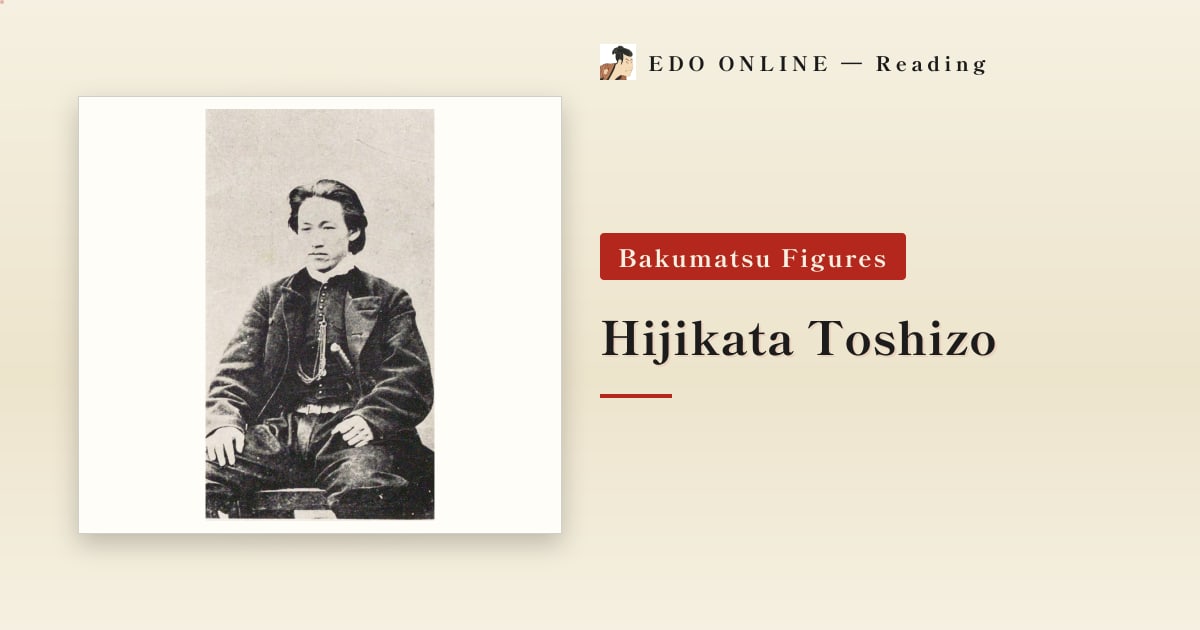
Who Was Hijikata Toshizo? The Shinsengumi Demon Vice-Commander
Vice-commander of the Shinsengumi, feared for his iron discipline, who fought on to Hakodate after the shogunate had already fallen. His life, his poetry, his death and his grave.
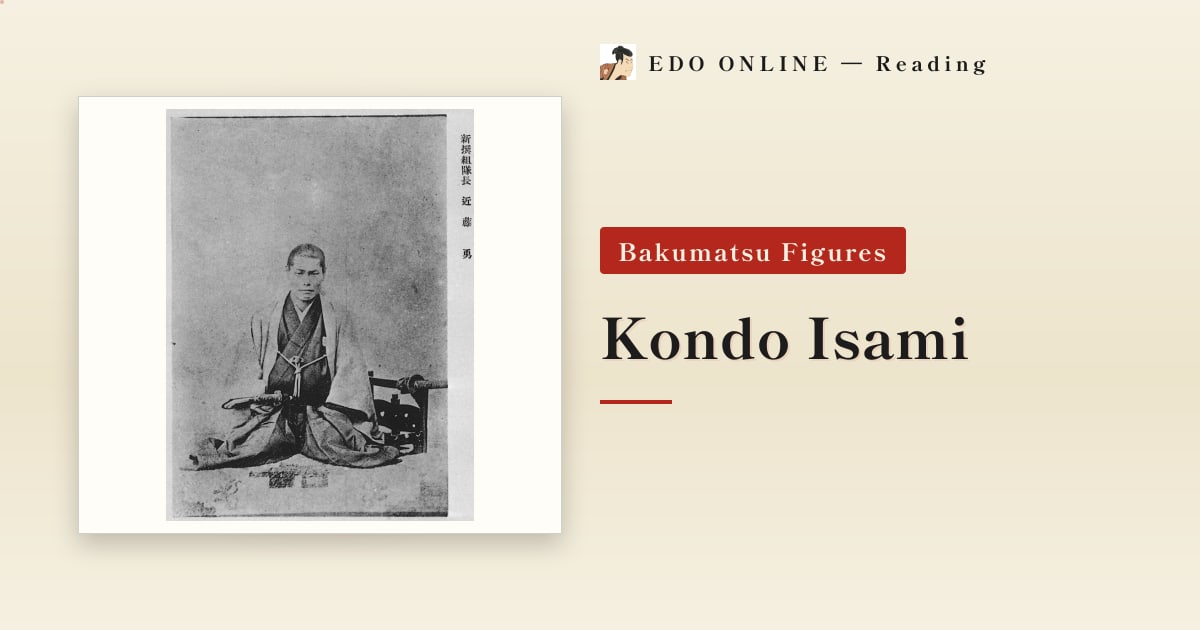
Who Was Kondo Isami? Life and Death of the Shinsengumi Chief
A farmer's son who became commander of the Shinsengumi, made his name at the Ikedaya, and was beheaded when the shogunate fell. His life, his sword Kotetsu, and the three sites claimed as his grave.
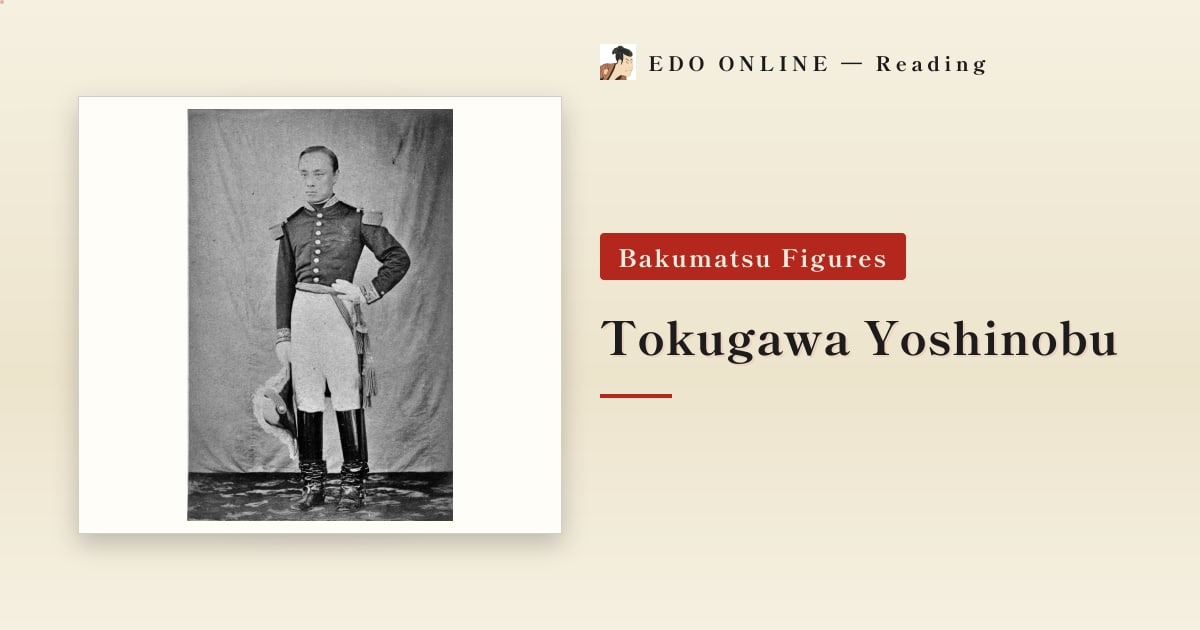
Who Was Tokugawa Yoshinobu? Japan's Last Shogun Explained
The fifteenth and final shogun, who returned political power to the emperor in 1867 and then lived another forty-five years. Why he gave up power, how he died, and where he is buried.
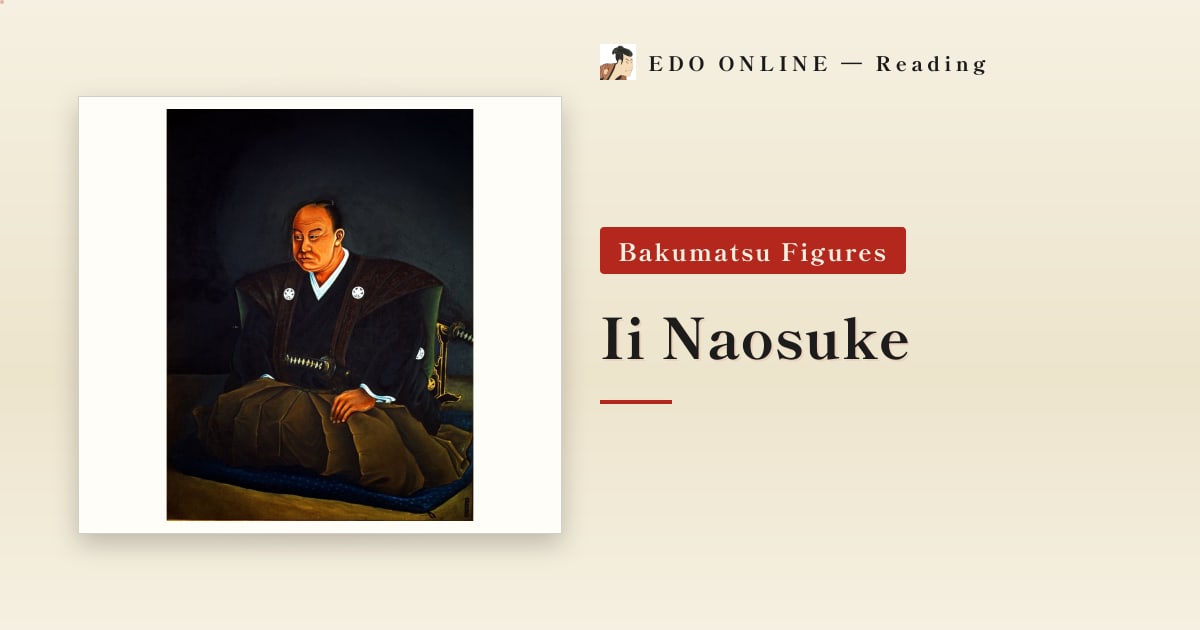
Who Was Ii Naosuke? The Ansei Purge and His Assassination
The chief minister who signed the Harris Treaty without imperial sanction, purged his opponents, and was cut down at Sakuradamon. Why he was killed, and the fifteen quiet years that shaped him.
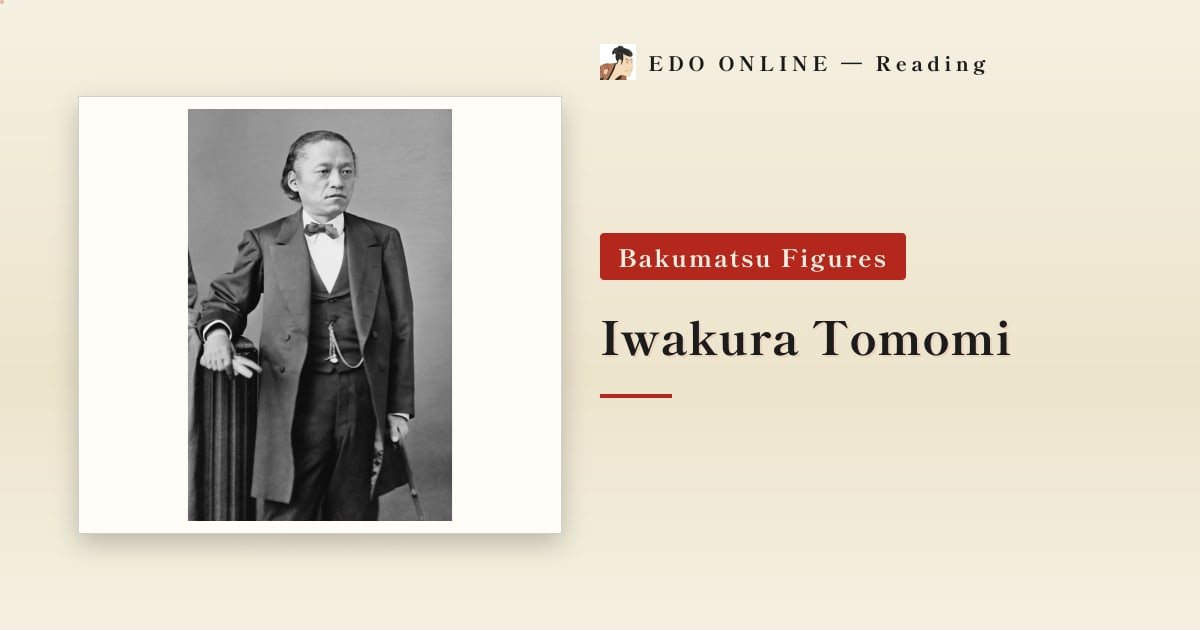
Who Was Iwakura Tomomi? The Noble Behind the Restoration
A low-ranking court noble who engineered the Restoration of Imperial Rule and led a mission around the West. Why he kept his topknot, and how he survived an assassination attempt.
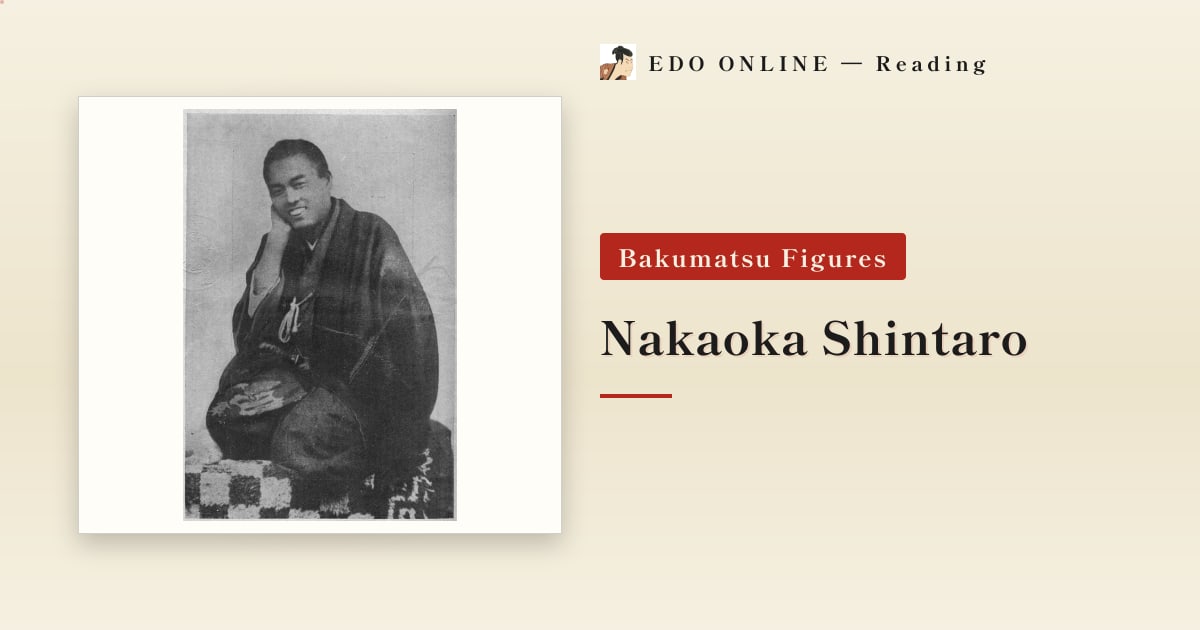
Who Was Nakaoka Shintaro? Life, Achievements and Death
He brokered the Satsuma-Choshu Alliance alongside Sakamoto Ryoma and led the Rikuentai. How he died at the Omiya, why his two surviving days matter, and where he was born.
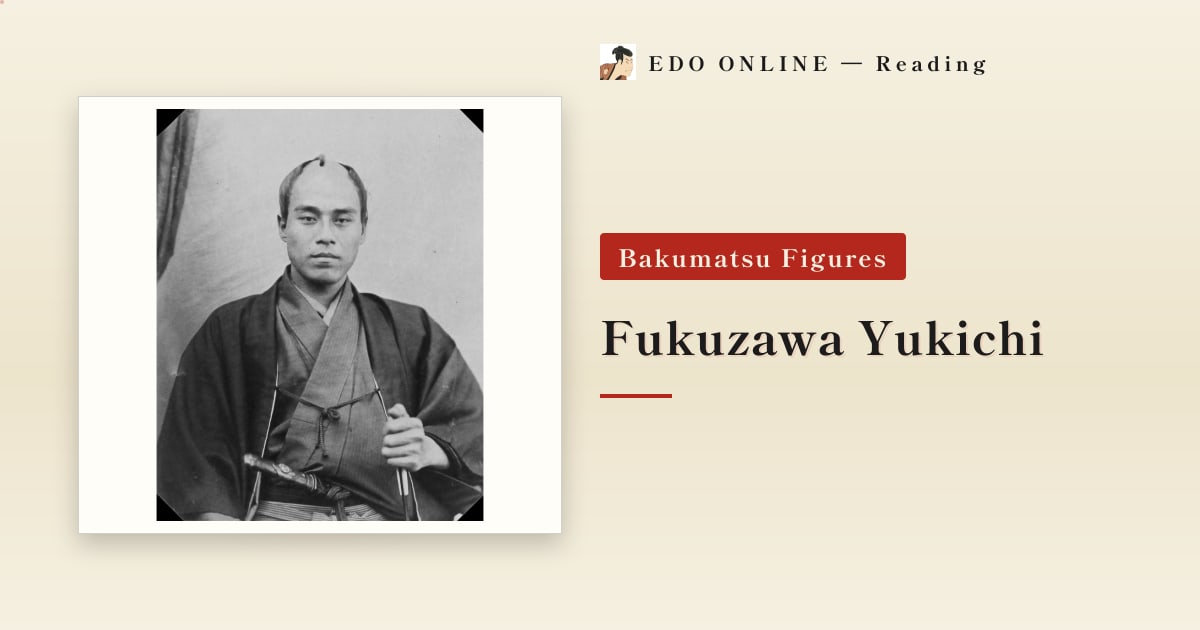
Who Was Fukuzawa Yukichi? Life and Learning Explained
The founder of Keio and author of An Encouragement of Learning, whose famous opening line is usually misread. His achievements, his family, and why he was on the 10,000 yen note.