YOMIMONO
Culture of the Bakumatsu
The shock of the Black Ships, and the new technologies and ways of life that took root. We explore the culture that flourished in Japan's turbulent final shogunal years.
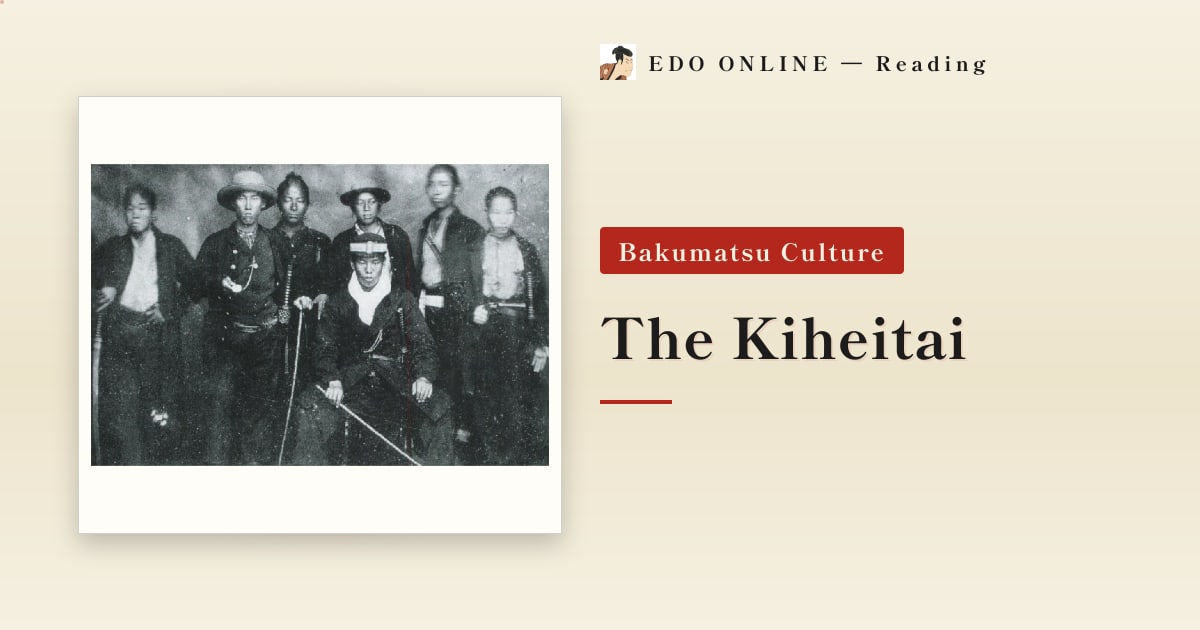
The Kiheitai — Takasugi's Army That Ignored Class
Raised in 1863 by Takasugi Shinsaku, the Kiheitai took commoners as soldiers. Why Choshu did it, how it differed from the regular army, what it won, and how the new government crushed it.
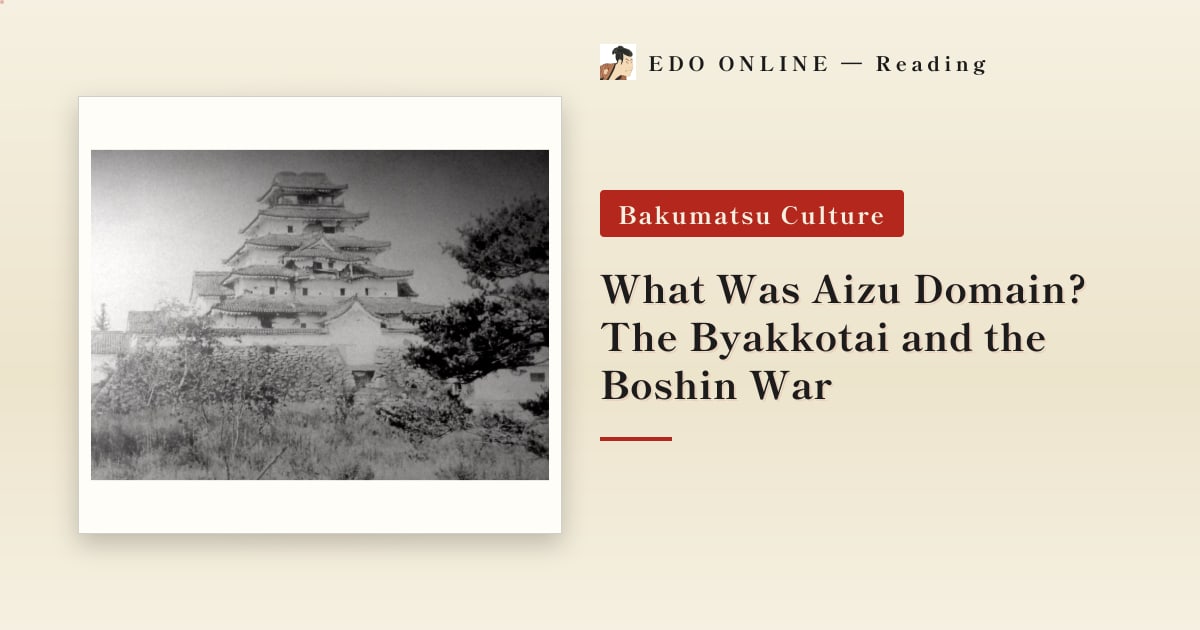
What Was Aizu Domain? The House Code, the Byakkotai, the Siege
Aizu stayed loyal to the shogunate to the end and was destroyed for it. Why Matsudaira Katamori took the Kyoto post, what happened to the Byakkotai, and how the domain was punished.
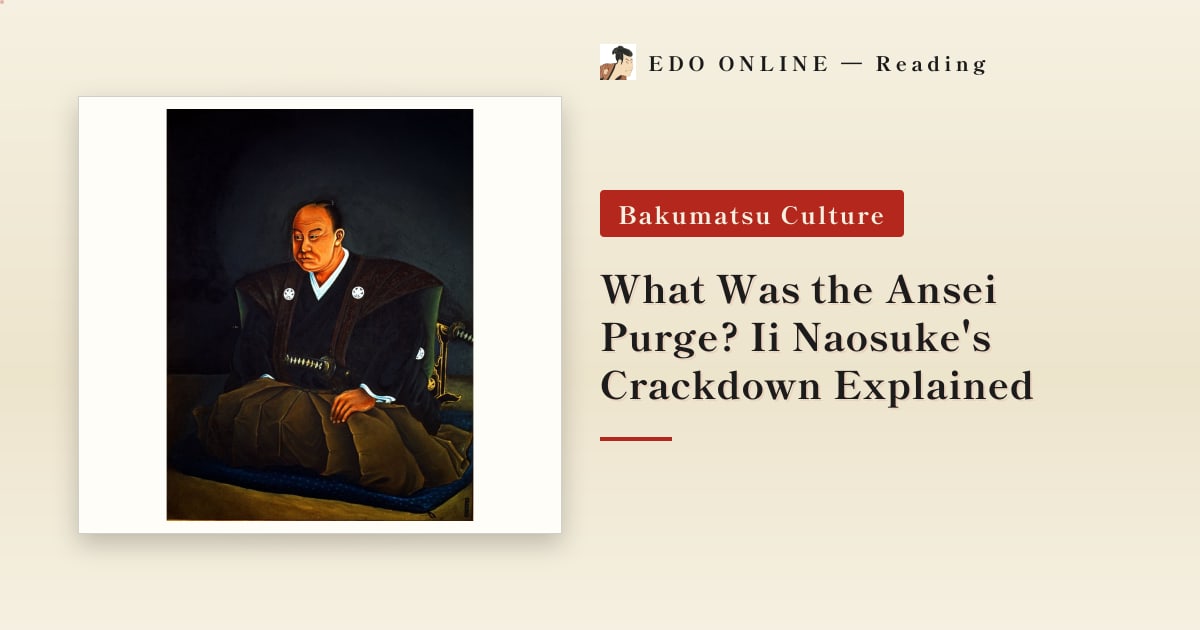
What Was the Ansei Purge? Ii Naosuke's Crackdown Explained
Between 1858 and 1859 the shogunate's chief minister Ii Naosuke purged more than a hundred opponents and executed eight, including Yoshida Shoin. Why it happened and what it destroyed.
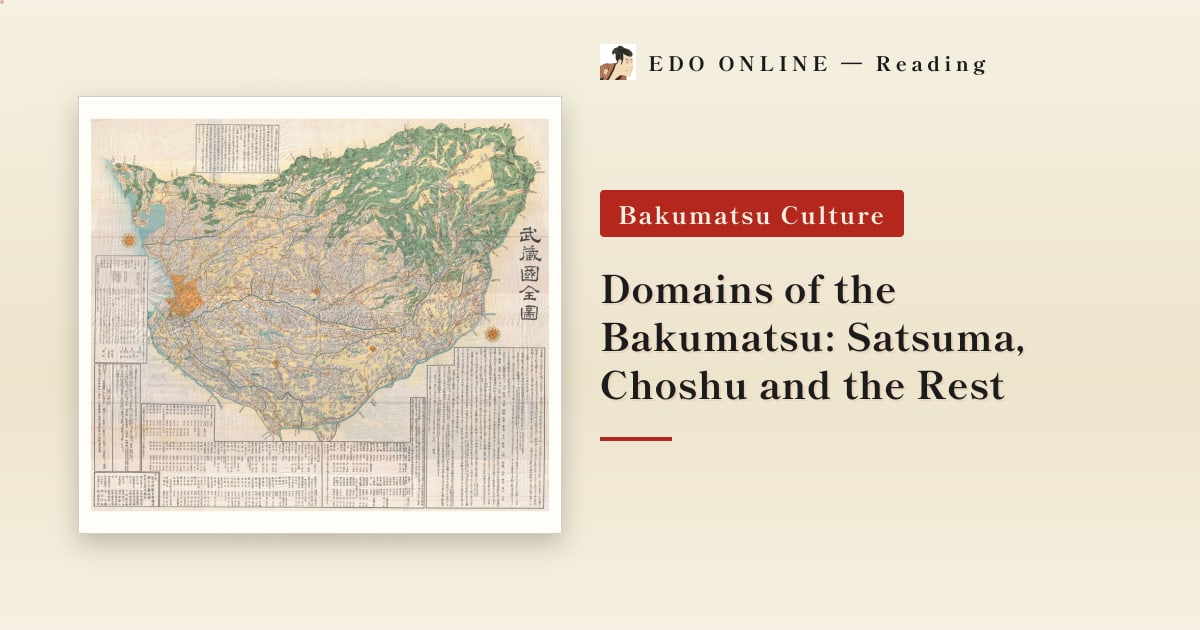
Domains of the Bakumatsu: Satsuma, Choshu and the Rest
The domains that decided the end of the shogunate, listed with their size and allegiance. Why outside lords led the overthrow, and how a few provinces outgrew the central government.
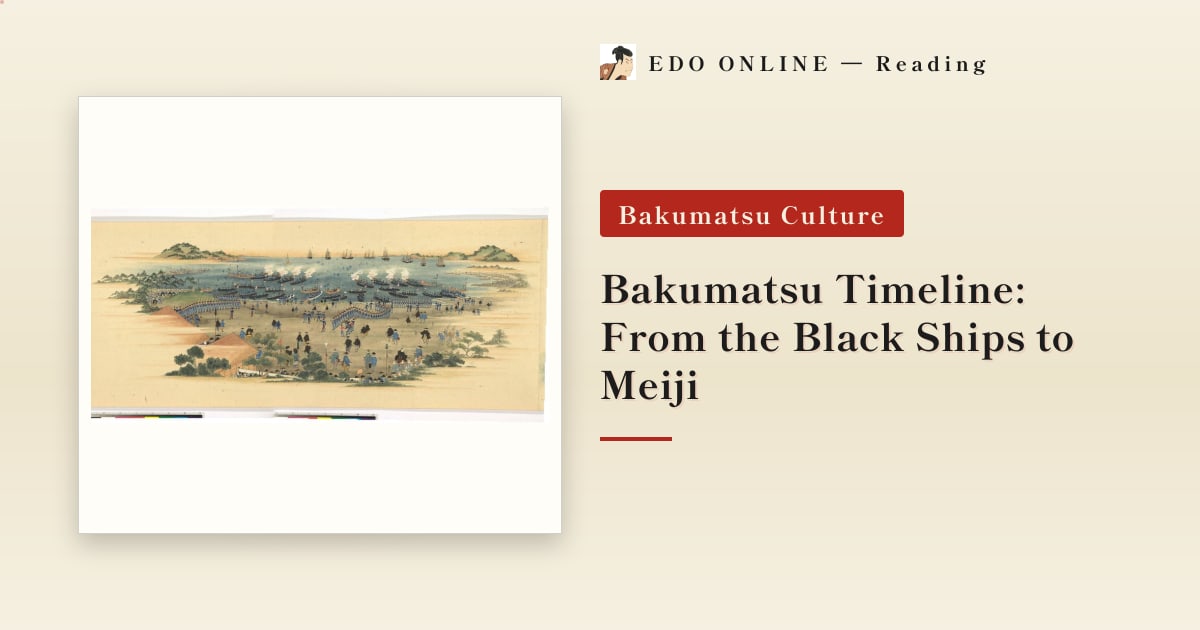
Bakumatsu Timeline: From the Black Ships to Meiji
The sixteen years from Perry's arrival in 1853 to the surrender of Goryokaku in 1869, set out year by year with the connections between events made explicit.
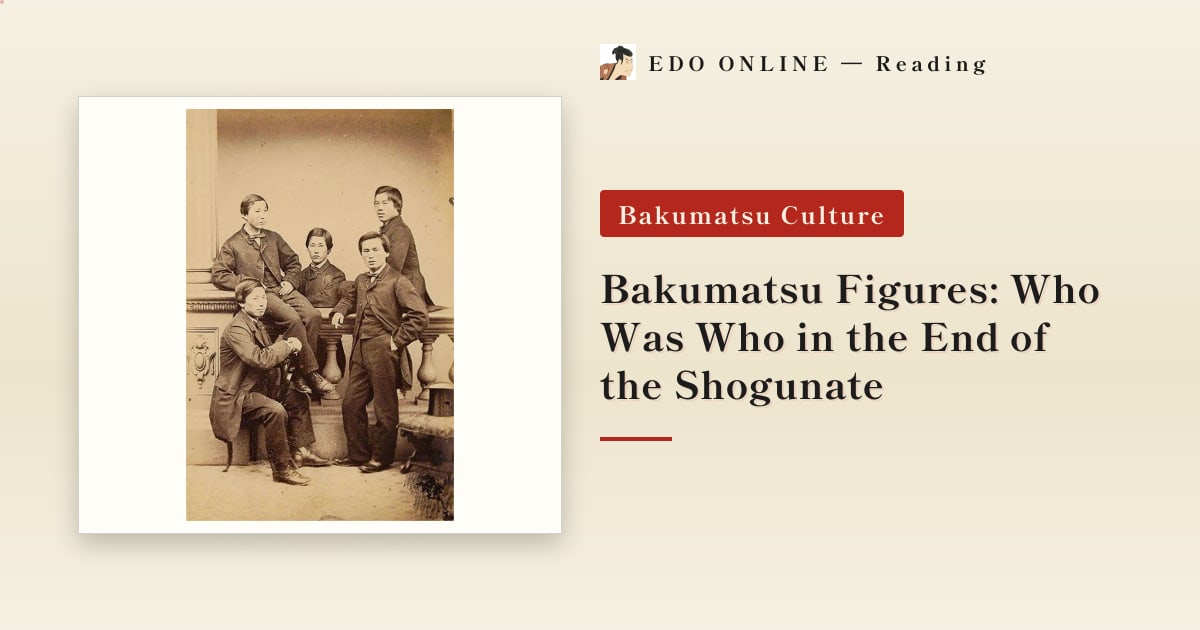
Bakumatsu Figures: Who Was Who in the End of the Shogunate
The activists and officials of the Bakumatsu, listed by allegiance. Who did what, who was on which side, and how the alliances reversed between 1863 and 1868.
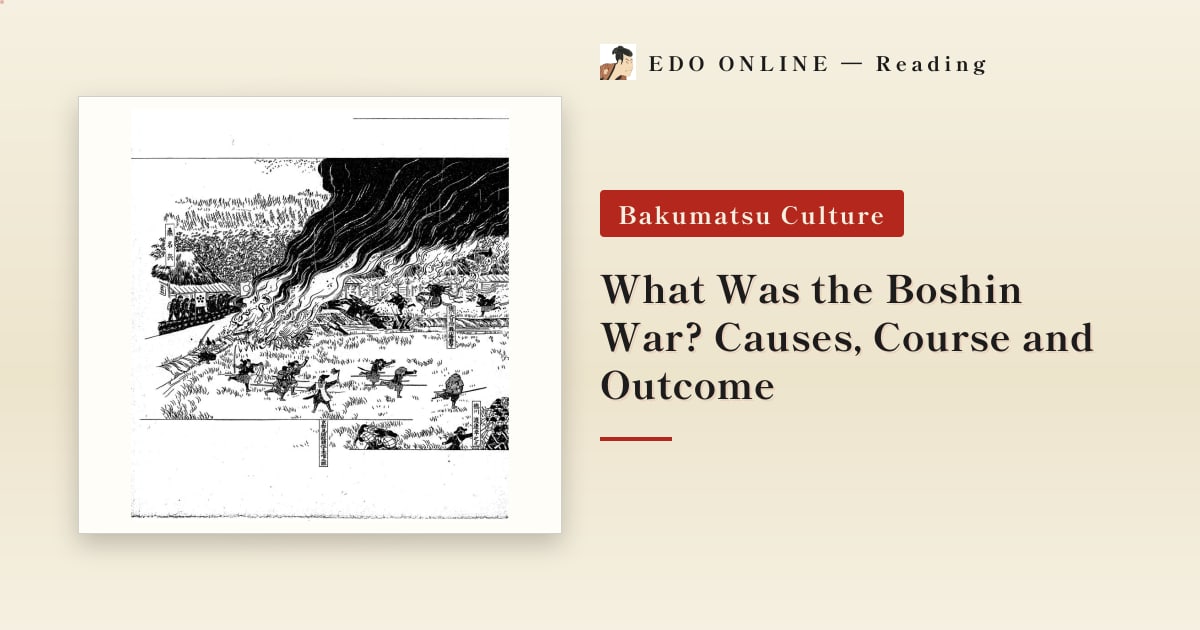
What Was the Boshin War? Causes, Course and Outcome
The civil war of 1868-69 between the new imperial government and the forces of the fallen shogunate. Why it happened, where it was fought, and what it changed, with a full timeline.
How Tall Were People in Edo Japan? Average Height Explained
Men averaged about 155cm and women about 143cm in Edo Japan, the shortest in two thousand years of Japanese history. Why they were so short, and how tall figures like Sakamoto Ryoma were.
When Was the Edo Period? 265 Years Explained
The Edo period ran from 1603 to 1868, about 265 years under fifteen shoguns. Its start and end dates, how it divides into phases, and why it lasted so long.
Food in Edo Japan: How Sushi and Soba Began
Sushi, soba, tempura and eel all began as street food in Edo. What ordinary people ate, how many meals a day they had, and why the city developed such an extraordinary eating-out culture.
Why Is Goryokaku Star Shaped? History and Guide
The star fort at Hakodate was built by the shogunate in 1864 and became the last stronghold of its army. Why the star shape, who designed it, what happened there, and what to see today.
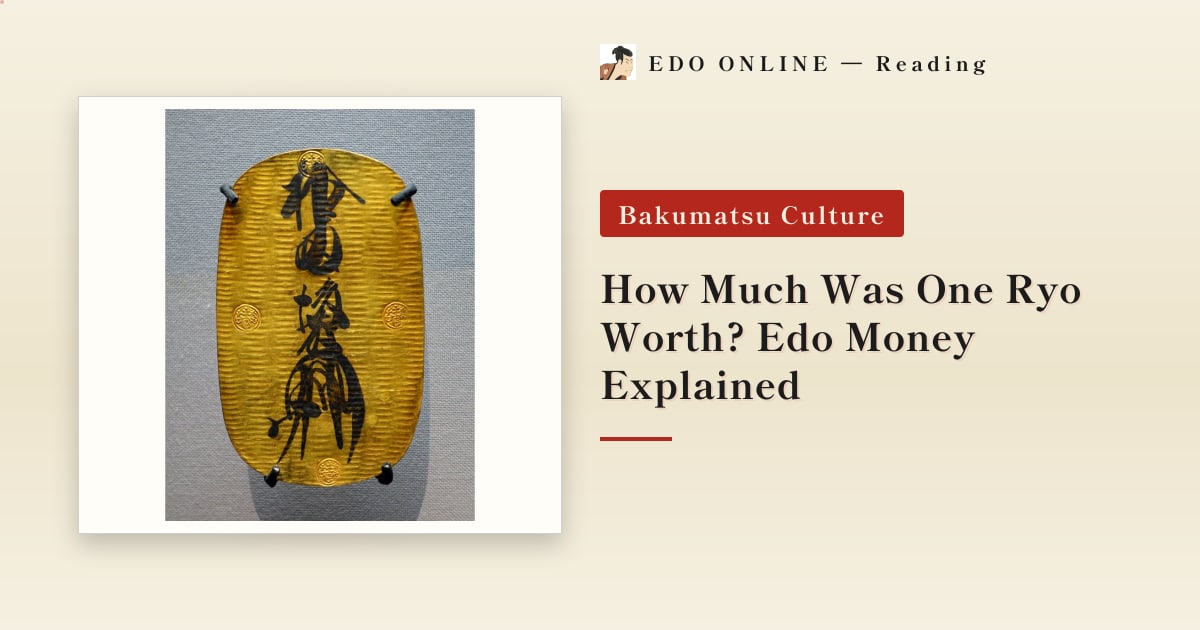
How Much Was One Ryo Worth? Edo Money Explained
One ryo in Edo Japan is worth roughly 50,000 to 300,000 yen today, depending on what you measure against. Why the answers differ so much, and what one ryo actually bought.
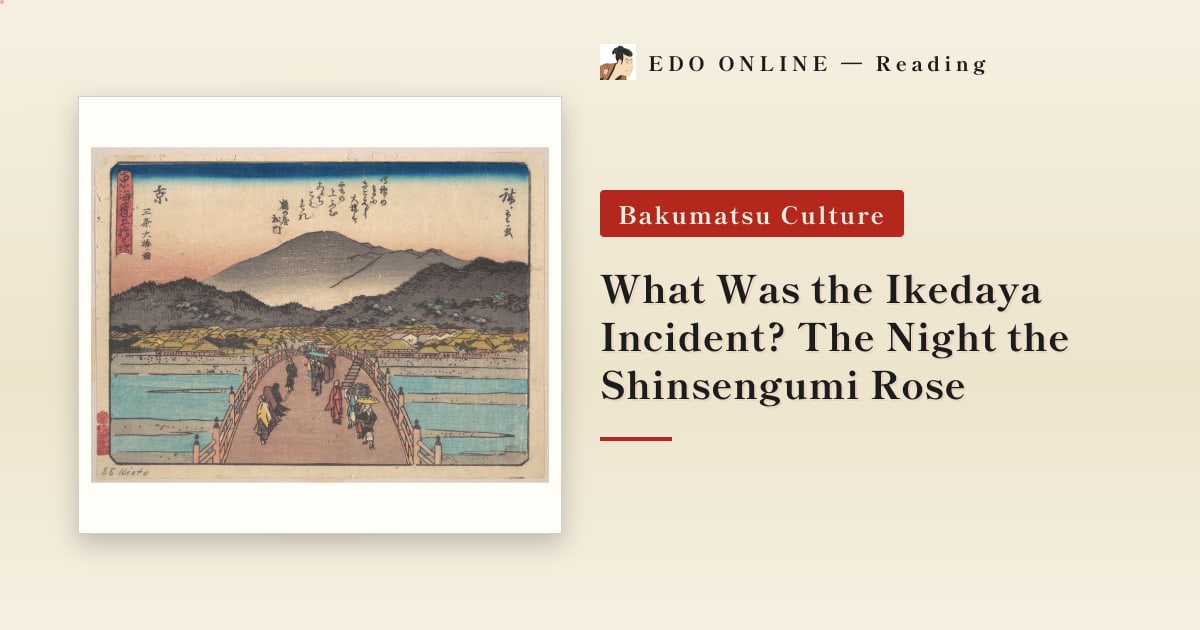
What Was the Ikedaya Incident? The Night the Shinsengumi Rose
In 1864 the Shinsengumi raided an inn in Kyoto and cut down anti-shogunal activists meeting there. What happened, why they attacked, and how it fed into the Kinmon incident.
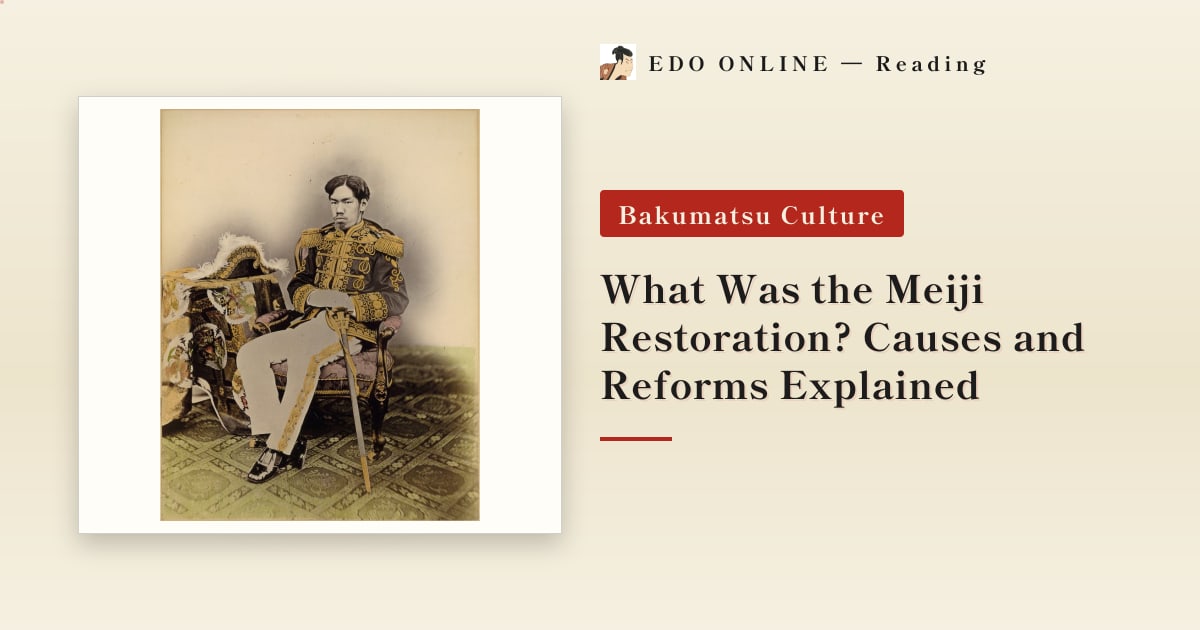
What Was the Meiji Restoration? Causes and Reforms Explained
The fall of the shogunate and the building of a modern state under the emperor. Why it happened, what dates it covers, what it changed, and the contradictions it left behind.
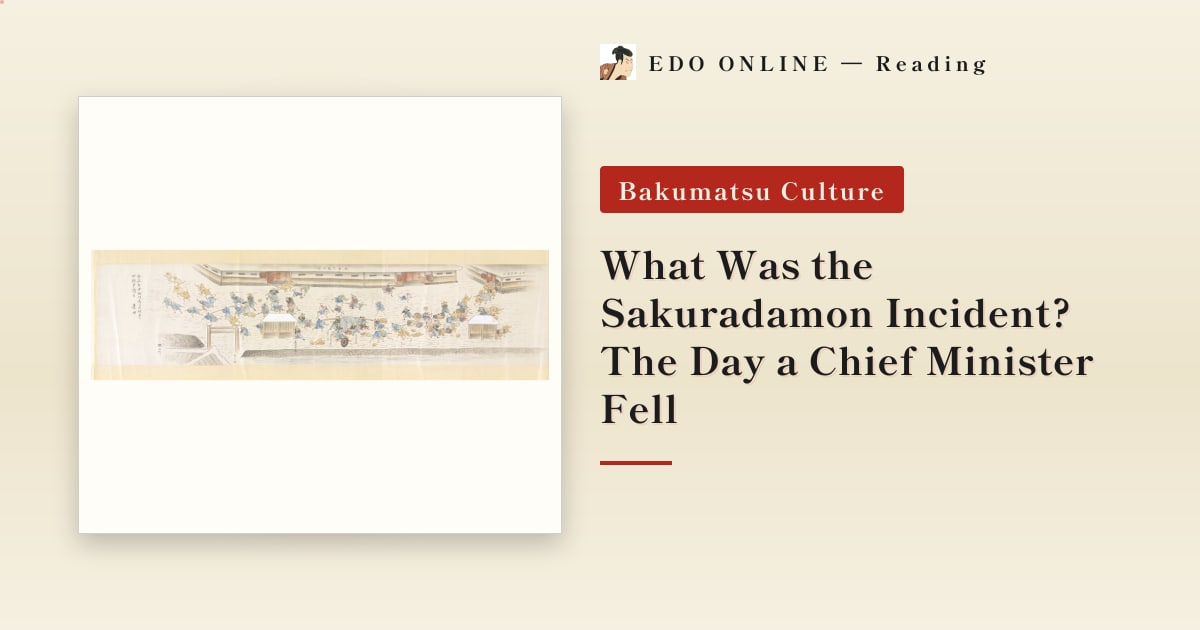
What Was the Sakuradamon Incident? The Day a Chief Minister Fell
In March 1860 Ii Naosuke was assassinated in the snow outside Edo Castle by Mito ronin. Why they killed him, how the snow decided the outcome, and what it did to the shogunate.
What Was Sankin Kotai? Purpose and Cost Explained
Under sankin kotai, every daimyo spent alternate years in Edo with his family held there permanently. What it was really for, how much it cost, and why it was abolished.
What Was the Satsuma-Choshu Alliance? Why Enemies United
In 1866 two domains that had recently fought each other signed a secret pact against the shogunate. Why they did it, how Sakamoto Ryoma brokered it, and what the six articles contained.
Shinsengumi Members: The Full Roster and Structure
The Shinsengumi's ranks from commander to unit captain, with its principal members and how each of them died. Why so many were killed by their own side, and who survived.
What Was the Taisei Hokan? Why the Shogun Gave Up Power
In 1867 the last shogun handed political authority back to the emperor. Why he did it, what Sakamoto Ryoma had to do with it, and how it differs from the Restoration of Imperial Rule.
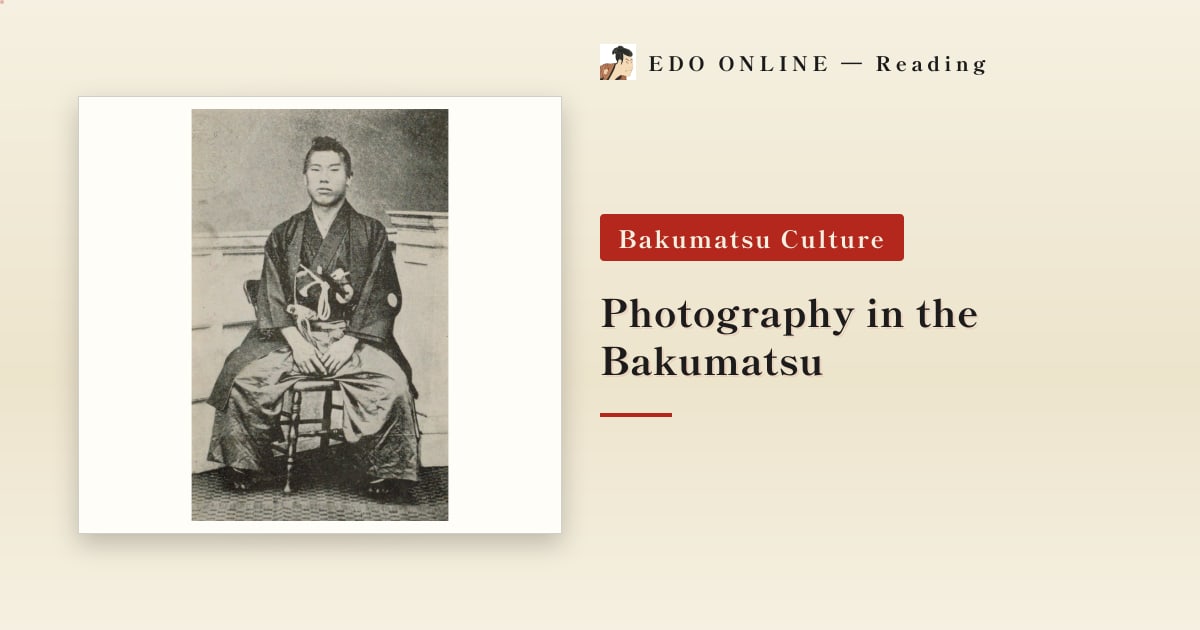
Photography in Bakumatsu Japan — Wet Plates and Ueno Hikoma
Why the faces of the Bakumatsu survive. The wet-plate process and its constraints, the two pioneers at Nagasaki and Yokohama, Ryoma's portrait, and why no photograph of Saigo Takamori exists.
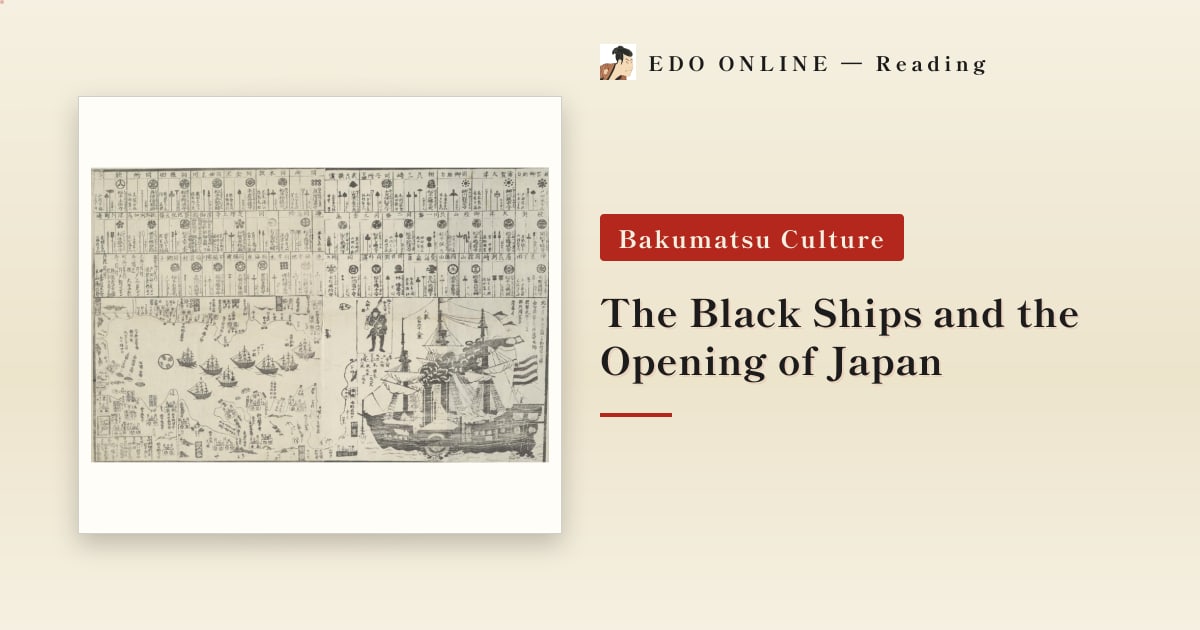
The Black Ships — When Perry Arrived, and Why
Perry reached Uraga on 8 July 1853 with four ships. Why the United States came, what the ships actually were, how the shogunate answered, and what the 1854 treaty did and did not open.
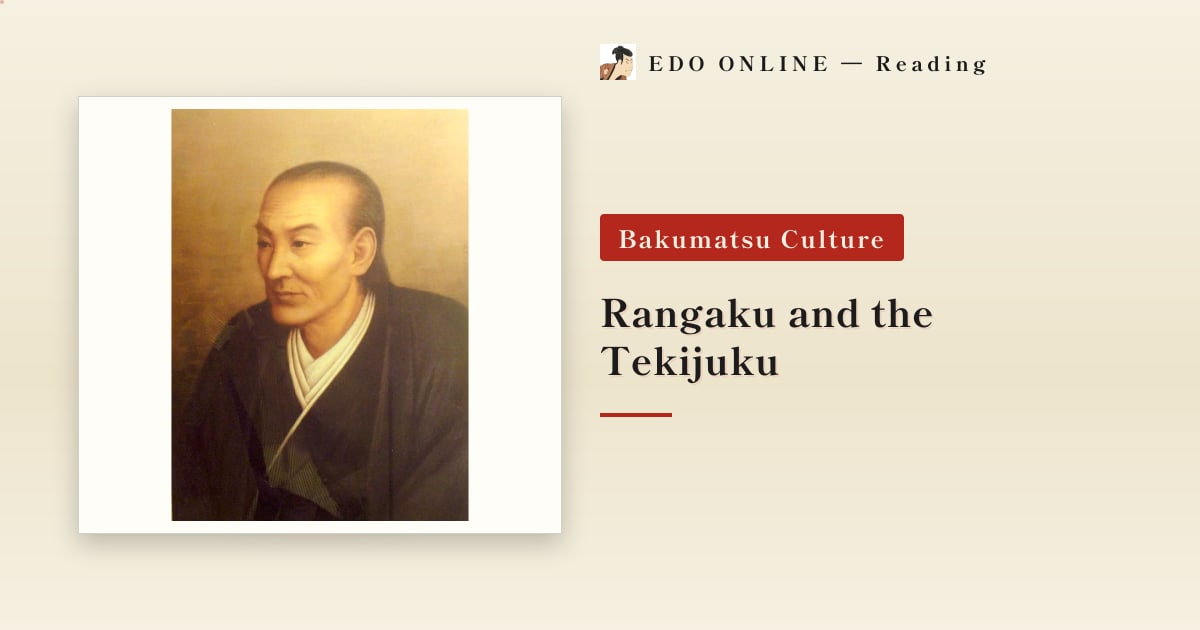
Rangaku and the Tekijuku — How Japan Read the West in Dutch
Dutch learning was Japan's only channel to Western knowledge. From the 1774 anatomy translation to Ogata Koan's Tekijuku, what students actually did there and who walked out of it.
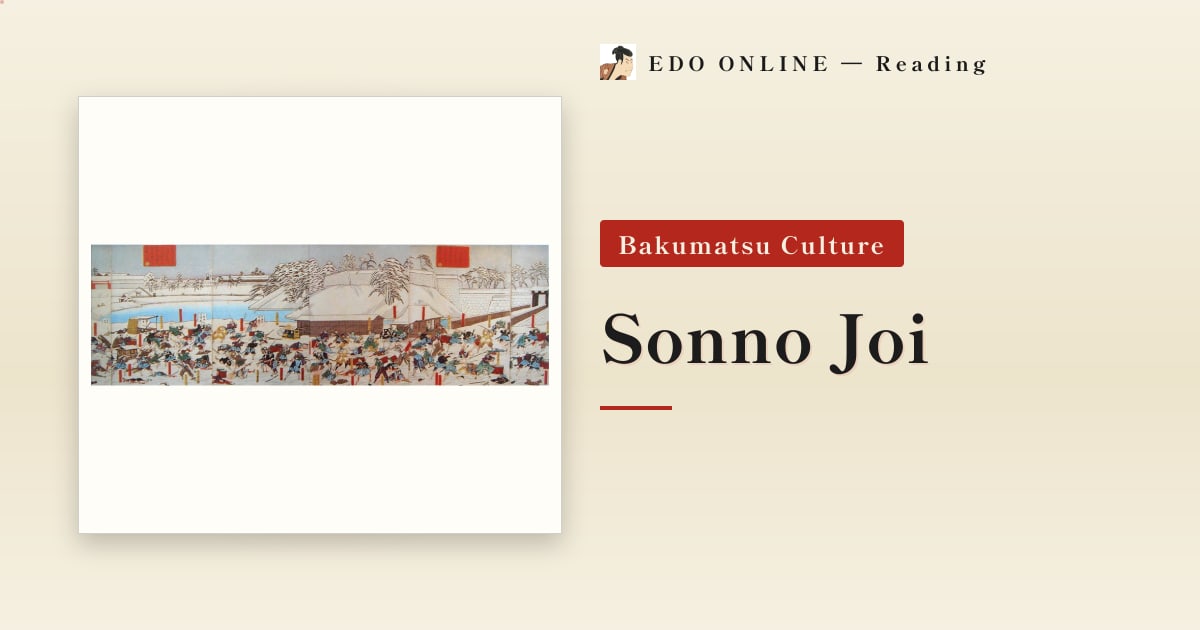
Sonno Joi — What It Meant, and Why It Became Revolution
Revere the emperor, expel the barbarians. Why the slogan exploded after 1853, how expulsion was actually attempted and failed, and how the same banner came to mean overthrowing the shogunate.
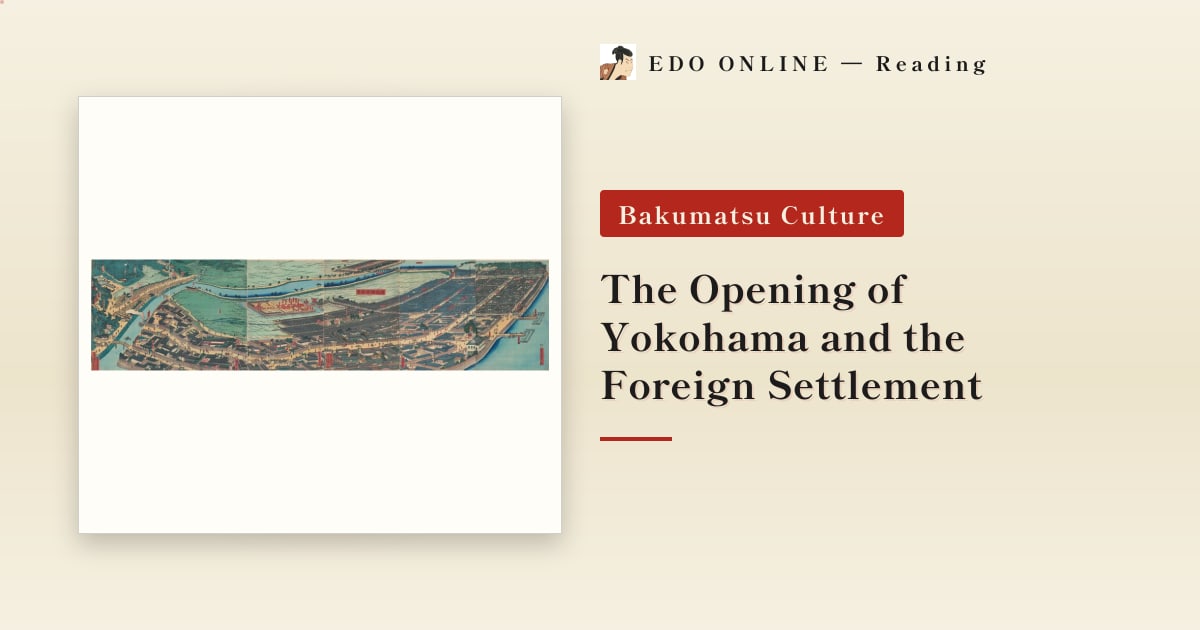
The Opening of Yokohama — Why There, and What It Changed
Yokohama opened on 1 July 1859. The treaty said Kanagawa, so why did the port end up at a fishing village? The foreign settlement, the silk trade, and the Western imports that landed here first.
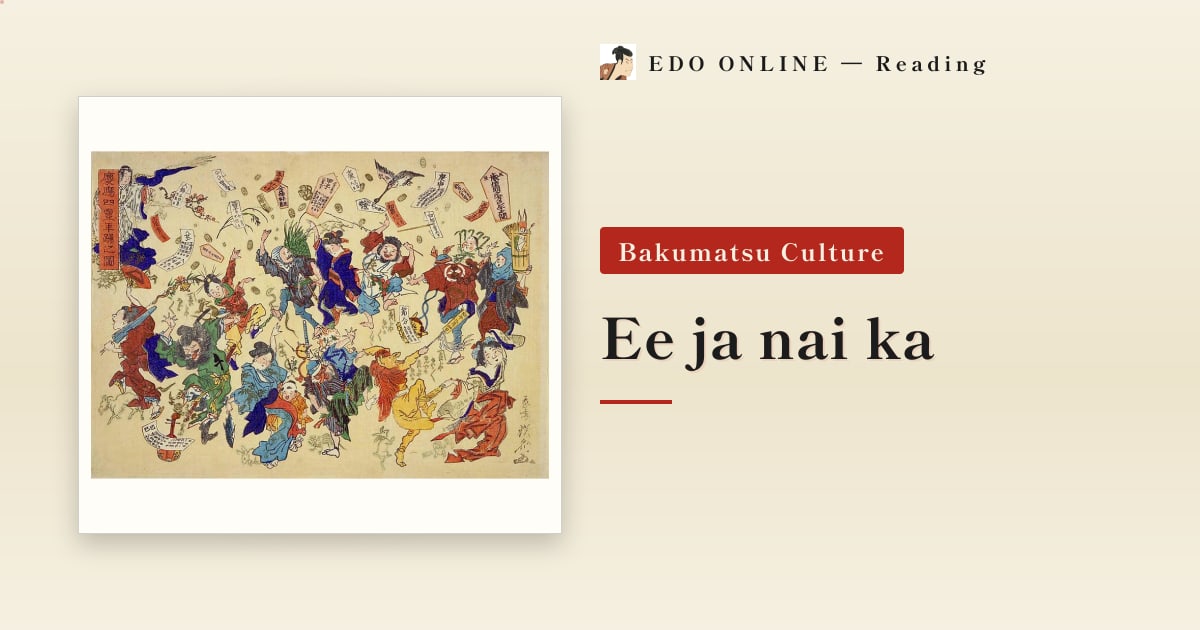
Ee Ja Nai Ka — The 1867 Dancing Frenzy, and the Falling Talismans
In 1867 crowds from Tokai to the Kansai danced through the streets chanting "why not." What the falling talismans were, how far it spread, and how much of the conspiracy theory holds up.
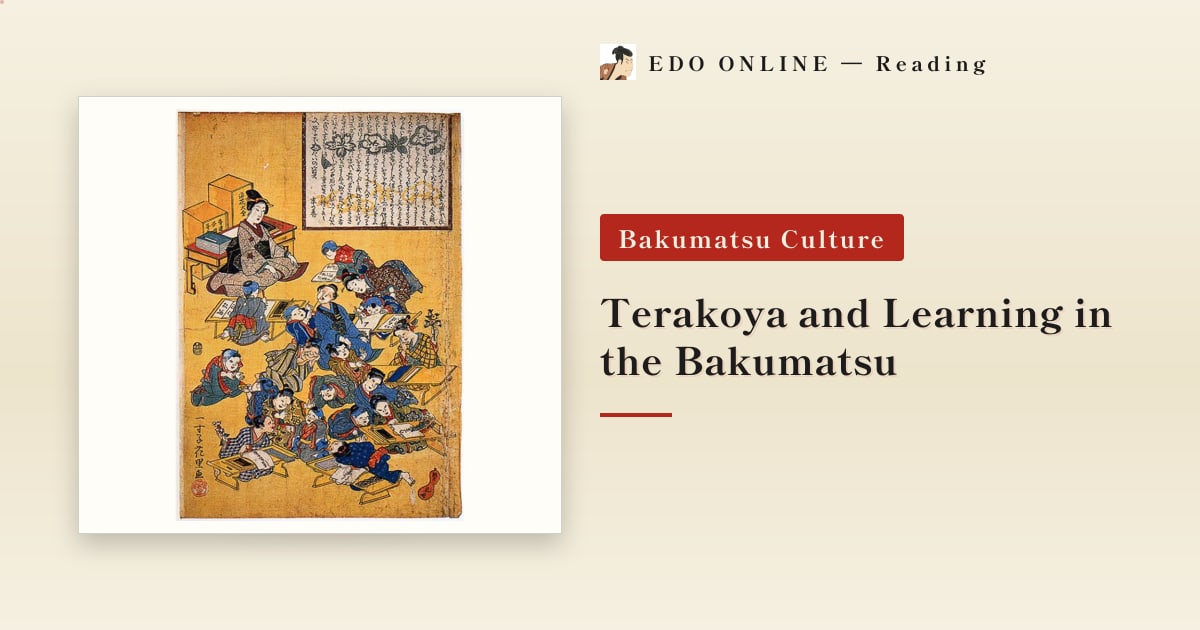
Terakoya — What Edo's Commoner Schools Actually Taught
What terakoya taught, who the teachers were, what they charged, what can honestly be said about Edo literacy rates, and how these schools became Japan's modern primary system in 1872.
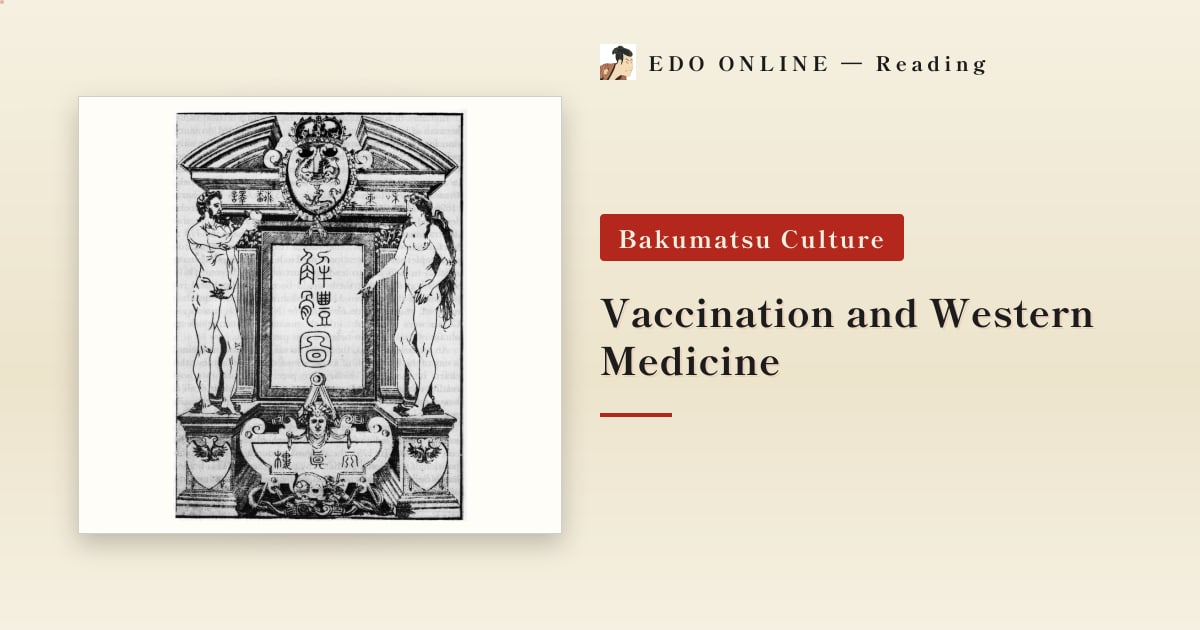
Smallpox Vaccination in Edo Japan — and How Western Medicine Won
Cowpox vaccine reached Nagasaki in 1849. How it was carried across the country arm to arm, and how the doctors who did it went from outsiders to running the shogunate's medical institute.
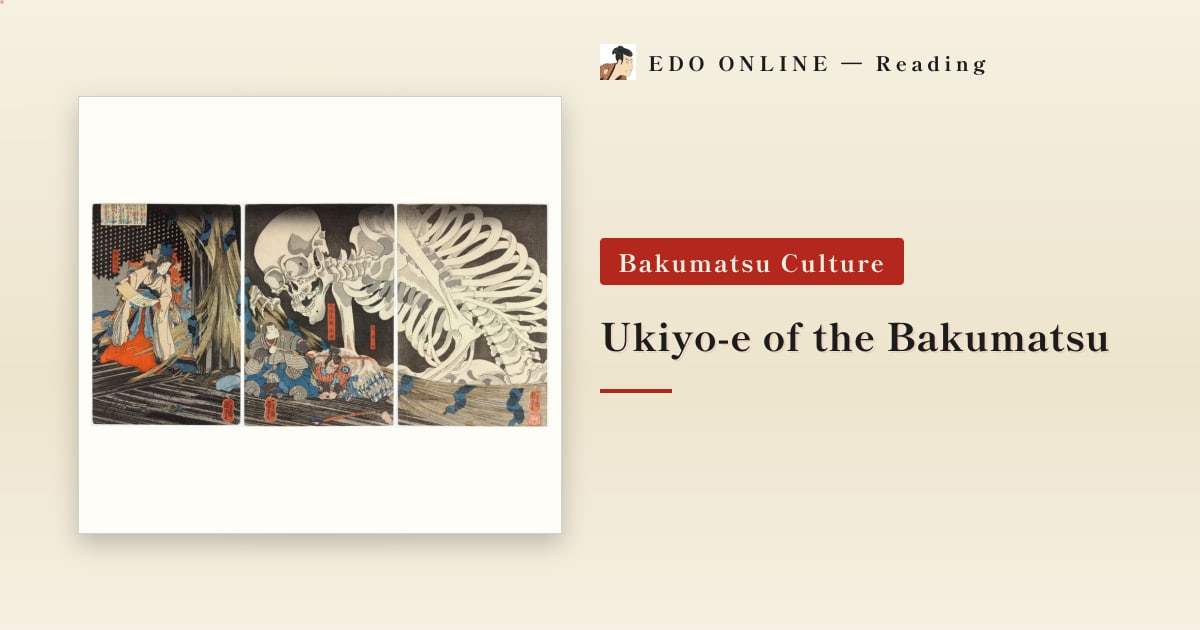
Bakumatsu Ukiyo-e — Yokohama Prints, Bloody Prints, and Satire
What late ukiyo-e actually depicted — the foreigners at Yokohama, murder and war, censored satire under the Tenpo Reforms, and how photography and the printing press ended the form.
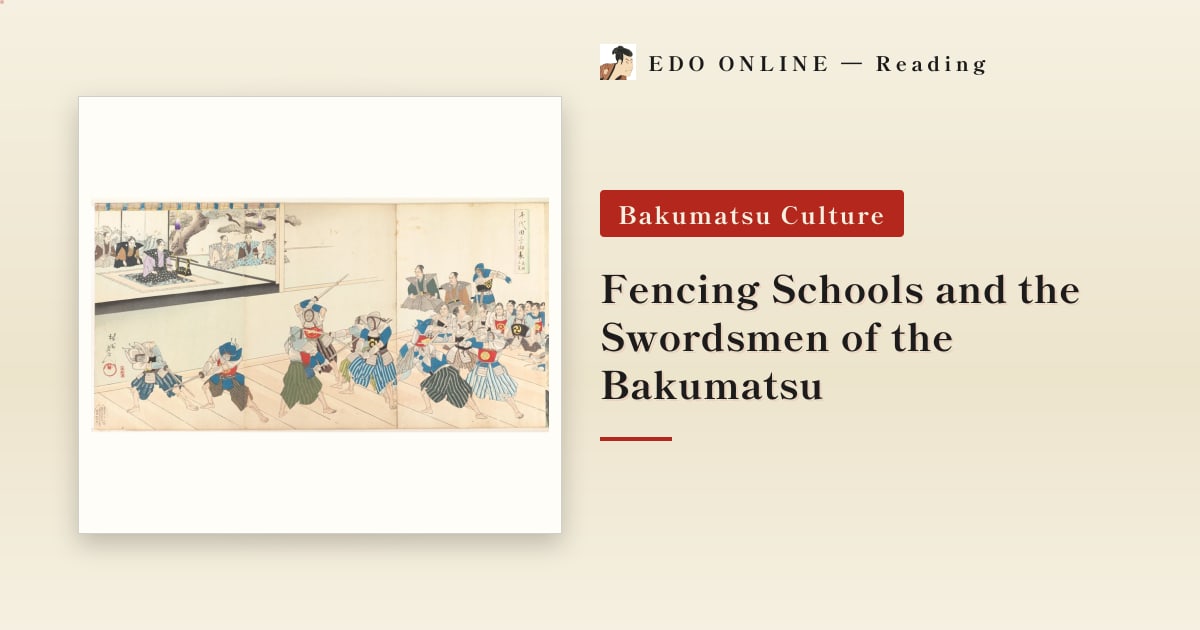
The Fencing Schools of Bakumatsu Edo — and Why They Mattered
The three great schools of Edo, what bamboo swords and armour changed, why political societies grew out of training halls, and how swordsmanship survived into the Meiji era.
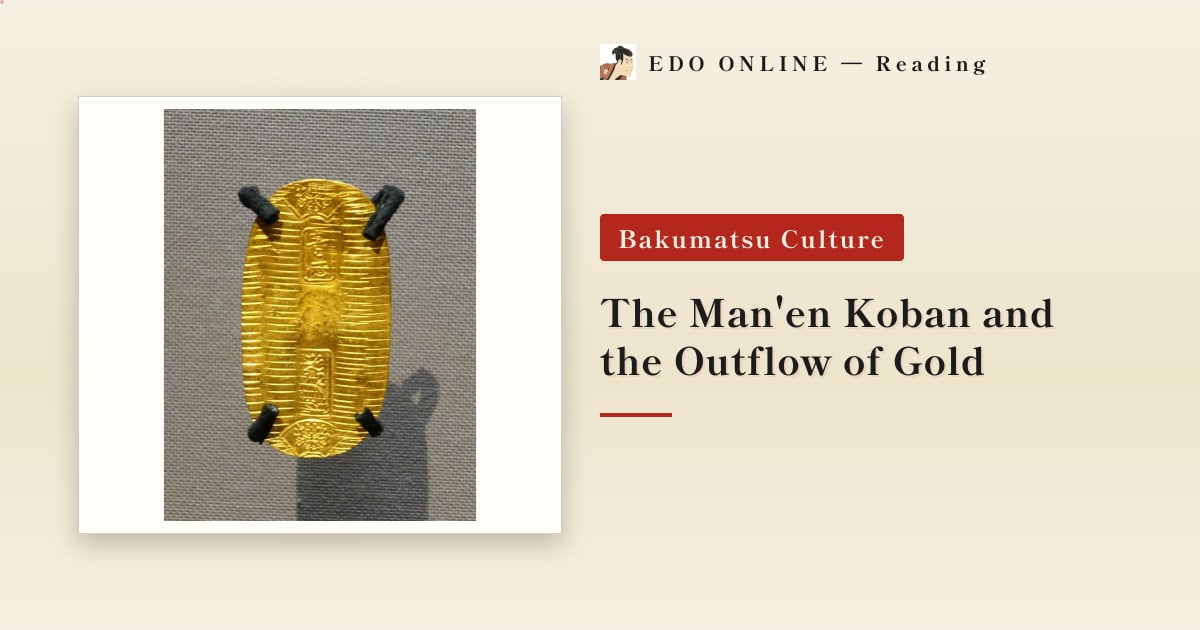
The Man'en Koban — Why Japan's Gold Drained Away in 1859
How a mismatch in gold-silver ratios let traders triple their money, why the shogunate answered by shrinking the koban, and how the resulting inflation fed the anti-foreign movement.
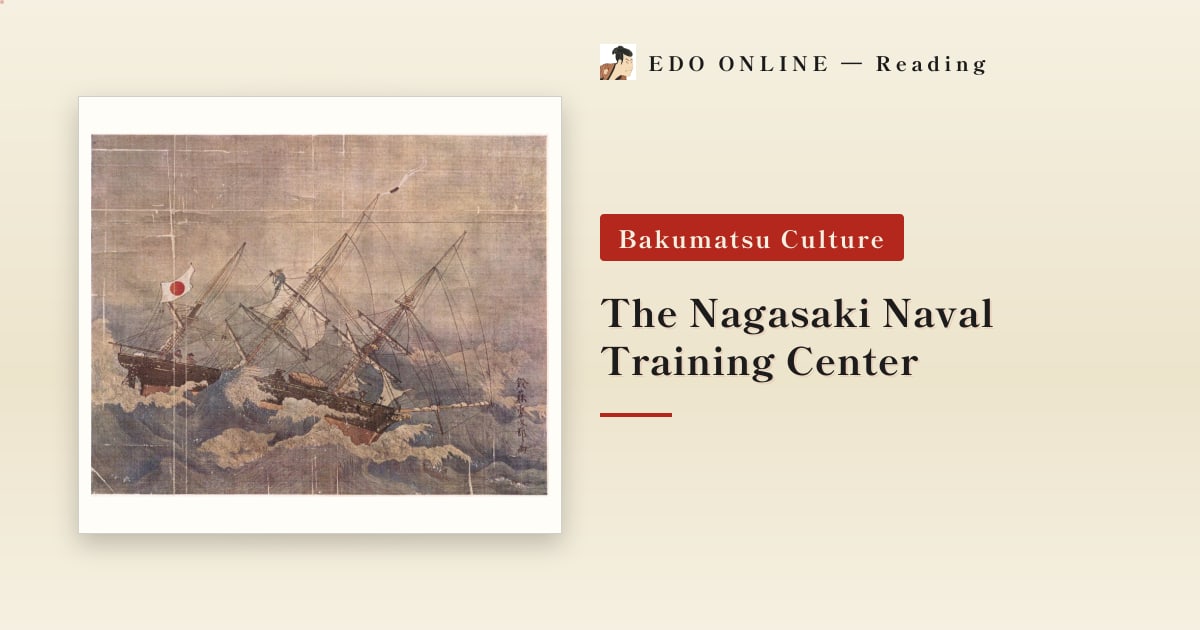
The Nagasaki Naval School — Four Years That Made Japan's Navy
Opened in 1855 with Dutch instructors and a donated steam warship, the school taught Katsu Kaishu and Enomoto Takeaki. What they learned, and why it closed after only four years.
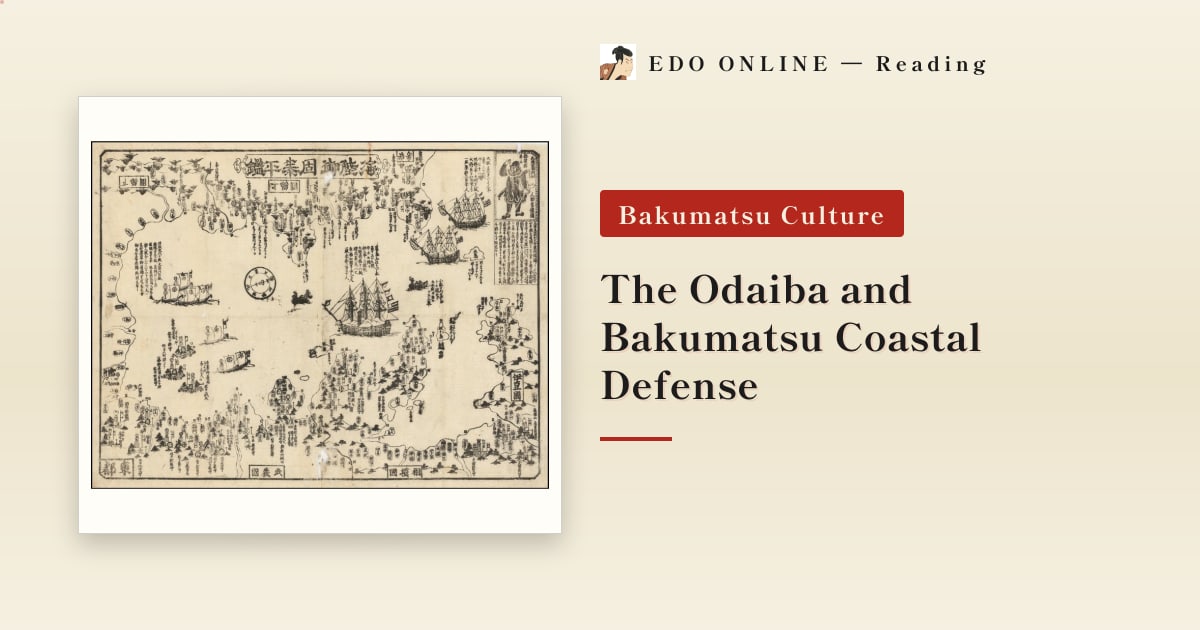
Odaiba — The Gun Batteries the Name Comes From
Tokyo's Odaiba is named after artillery islands built in 1853 to keep Perry out of Edo Bay. Who built them, why only five were finished, whether they ever fired, and what survives today.
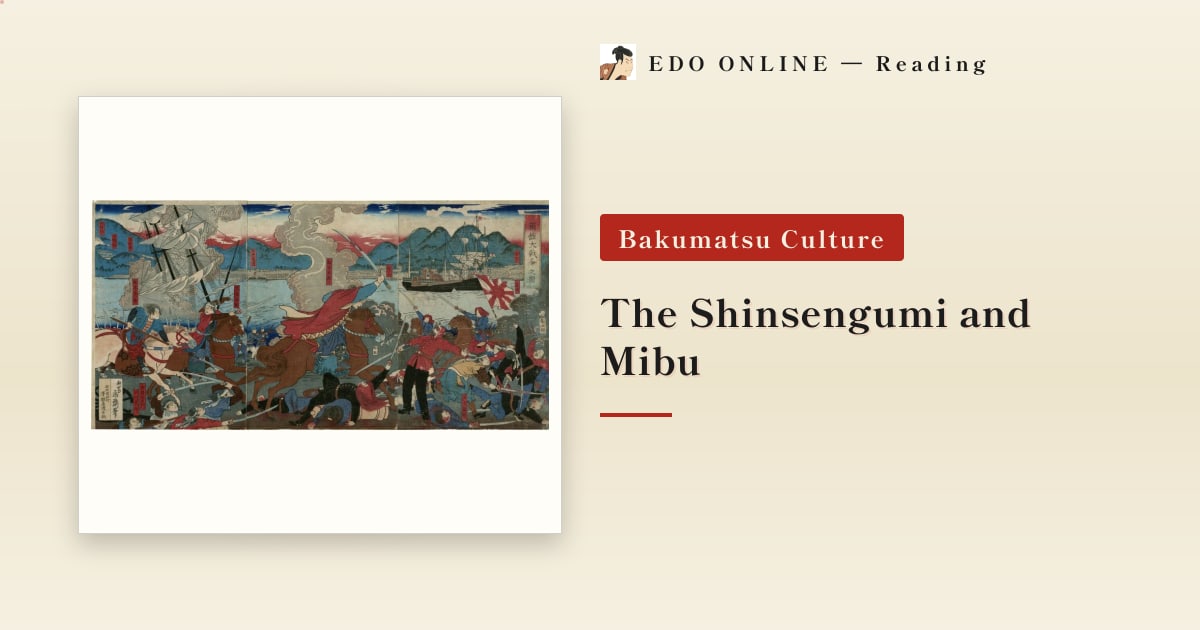
What Was the Shinsengumi? From Founding to Final Stand
Who founded the Shinsengumi and what they actually did — the Mibu origins, the corps regulations, the Ikedaya raid, and the last stand at Hakodate, with a timeline and the sites you can still visit.