BAKUMATSU & EDO
Bakumatsu & Edo Reading
From the arrival of the Black Ships to the return of power to the Emperor, the Bakumatsu remade Japan in barely a decade. We explore the lives of the figures who raced through it, and the culture that flourished in late Edo — grounded in the historical record.
Latest articles
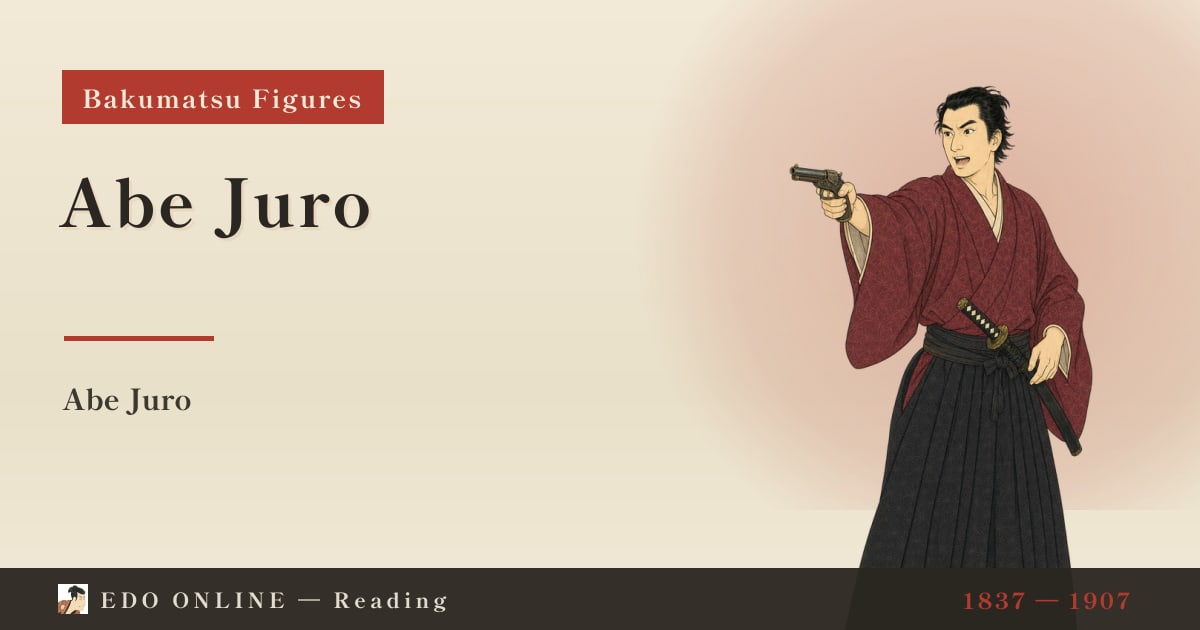
Abe Juro — The Former Member Who Talked
He deserted the Shinsengumi and rejoined under another name, shot at Kondo Isami as one of the Goryō Eji, and then grew apples in Sapporo. His late-Meiji testimony is where the ranking of the corps' best swordsmen comes from.
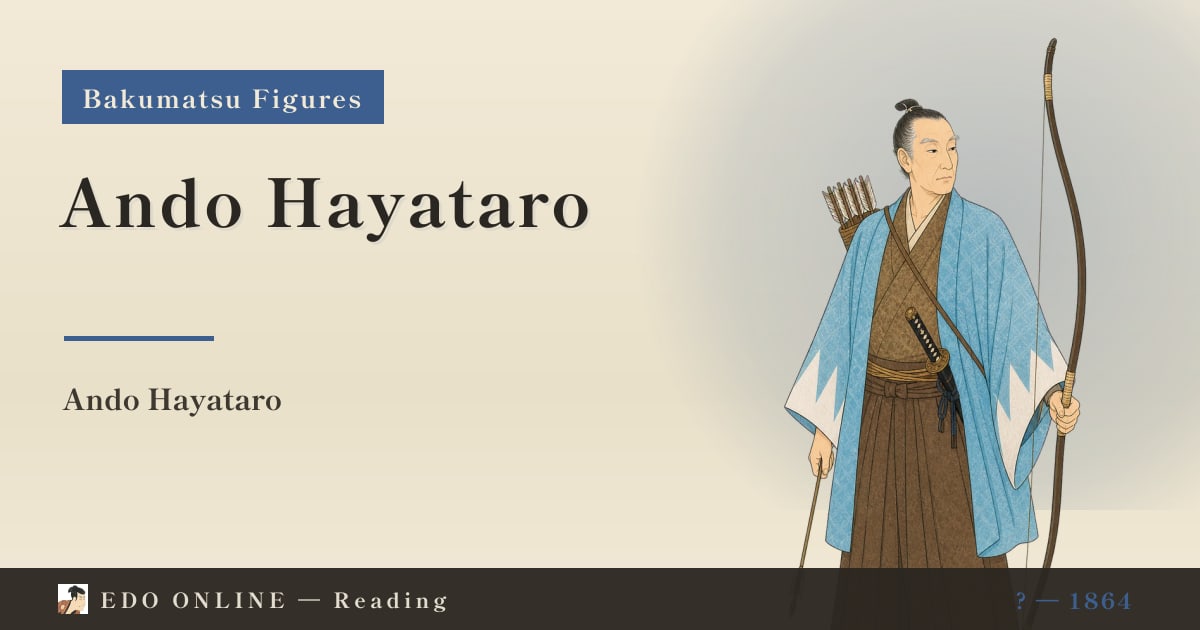
Ando Hayataro — The Shinsengumi's Record-Breaking Archer
He set the standing national record in the long-range shooting at the Tōdai-ji Great Buddha Hall, sending 8,685 arrows the length of the corridor. Nearly fifty, he joined the Shinsengumi and died of wounds taken in the back garden of the Ikedaya.
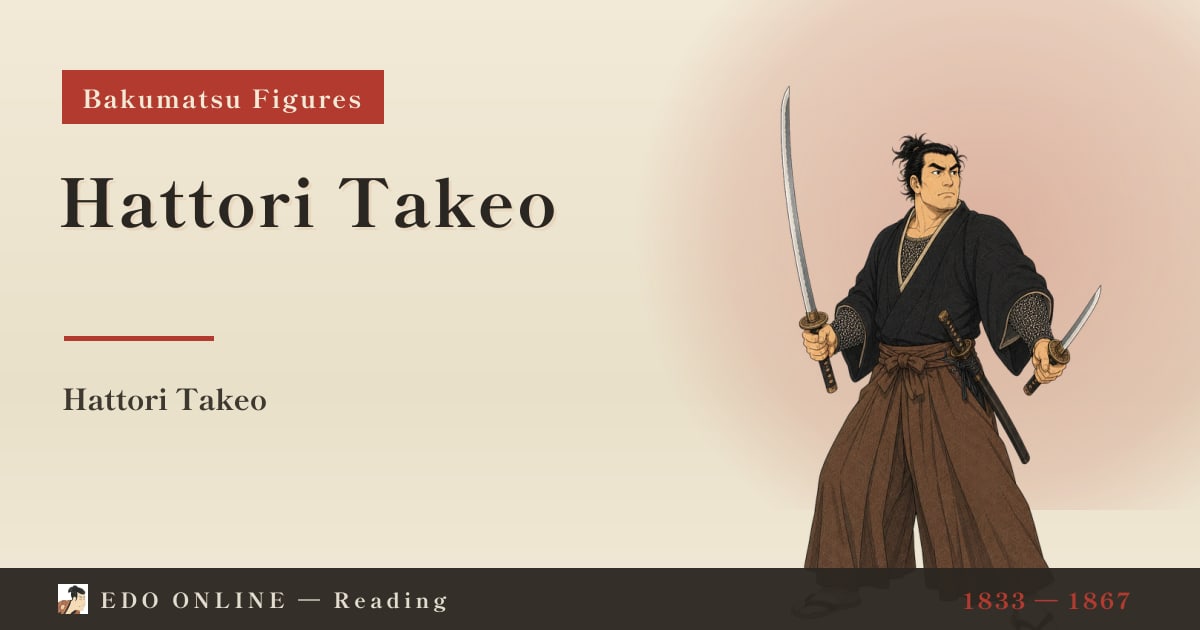
Hattori Takeo — Two Swords at Aburanokoji
A two-sword master and fencing instructor of the Shinsengumi who defected with the Goryō Eji. At Aburanokōji he alone wore mail, held a wall against the whole corps, and fell with more than twenty wounds.
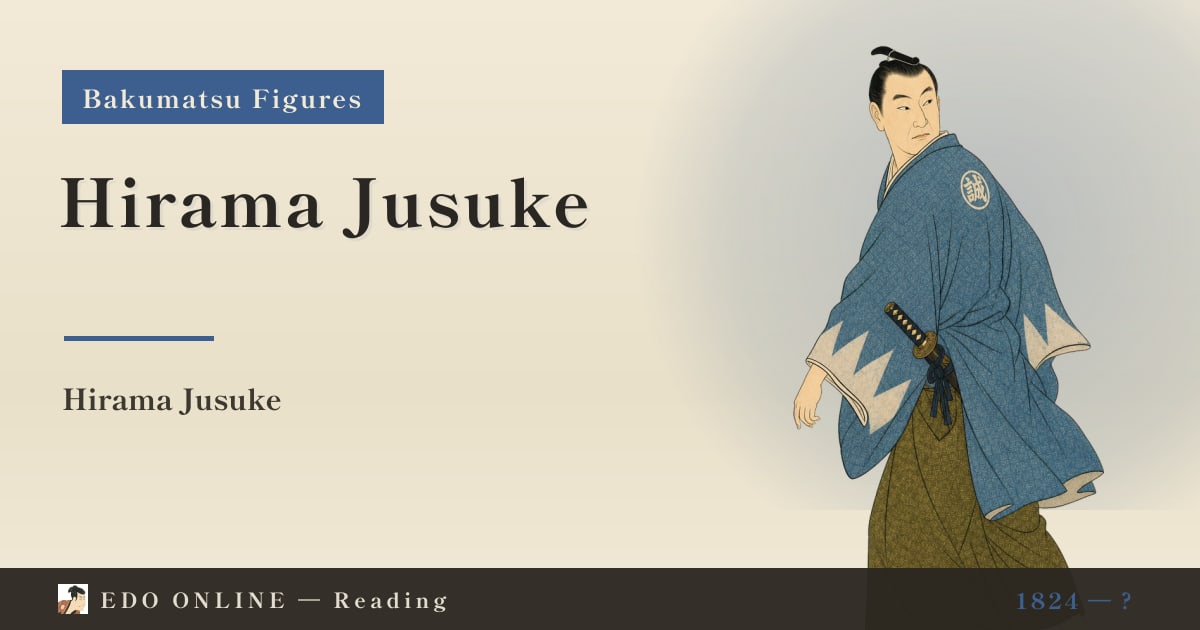
Hirama Jusuke — The One Who Got Out of the Yagi House
Assistant vice-commander and paymaster of the Mibu Rōshi, and the one man of Serizawa Kamo's party who walked out of the Yagi house alive and escaped purging altogether. He then vanished from the record.
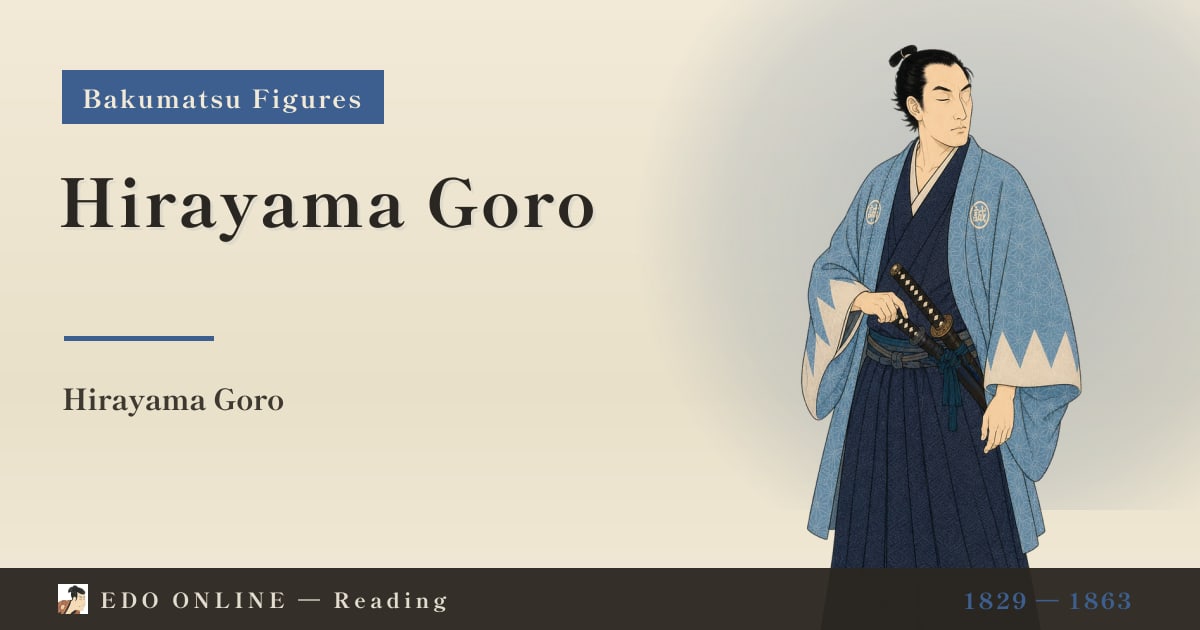
Hirayama Goro — Killed Beside Serizawa Kamo
A one-eyed Shintō Munen-ryū swordsman who rose to assistant vice-commander of the Mibu Rōshi and was cut down in the same room as Serizawa Kamo, his head severed from his body.
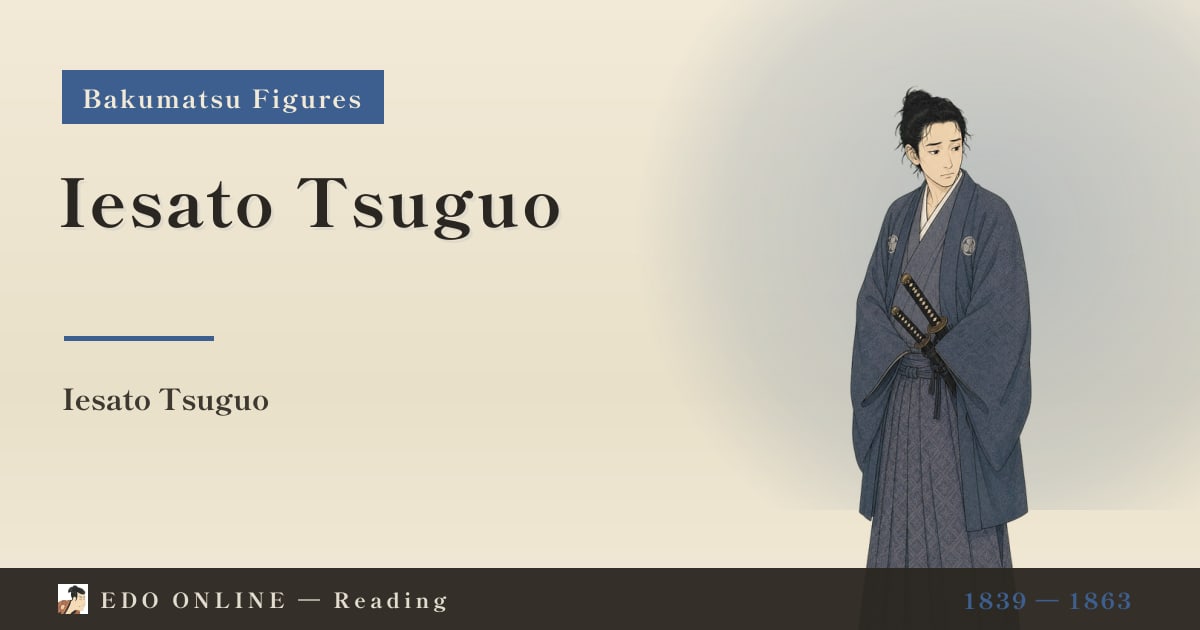
Iesato Tsuguo — Isolated, Then Made to Die by Serizawa Kamo
Charged by the shogunate, alongside Tonouchi Yoshio, with organising the Mibu Rōshi. Left with no faction behind him, he fled and was made to commit seppuku at Osaka at twenty-five.
Bakumatsu Figures
The samurai, shogunal retainers, and thinkers who raced through Japan's turning point. We trace their lives and legacies, grounded in the historical record.
Abe Juro — The Former Member Who Talked
He deserted the Shinsengumi and rejoined under another name, shot at Kondo Isami as one of the Goryō Eji, and then grew apples in Sapporo. His late-Meiji testimony is where the ranking of the corps' best swordsmen comes from.
Ando Hayataro — The Shinsengumi's Record-Breaking Archer
He set the standing national record in the long-range shooting at the Tōdai-ji Great Buddha Hall, sending 8,685 arrows the length of the corridor. Nearly fifty, he joined the Shinsengumi and died of wounds taken in the back garden of the Ikedaya.
Hattori Takeo — Two Swords at Aburanokoji
A two-sword master and fencing instructor of the Shinsengumi who defected with the Goryō Eji. At Aburanokōji he alone wore mail, held a wall against the whole corps, and fell with more than twenty wounds.
Bakumatsu Culture
The shock of the Black Ships, and the new technologies and ways of life that took root. We explore the culture that flourished in Japan's turbulent final shogunal years.
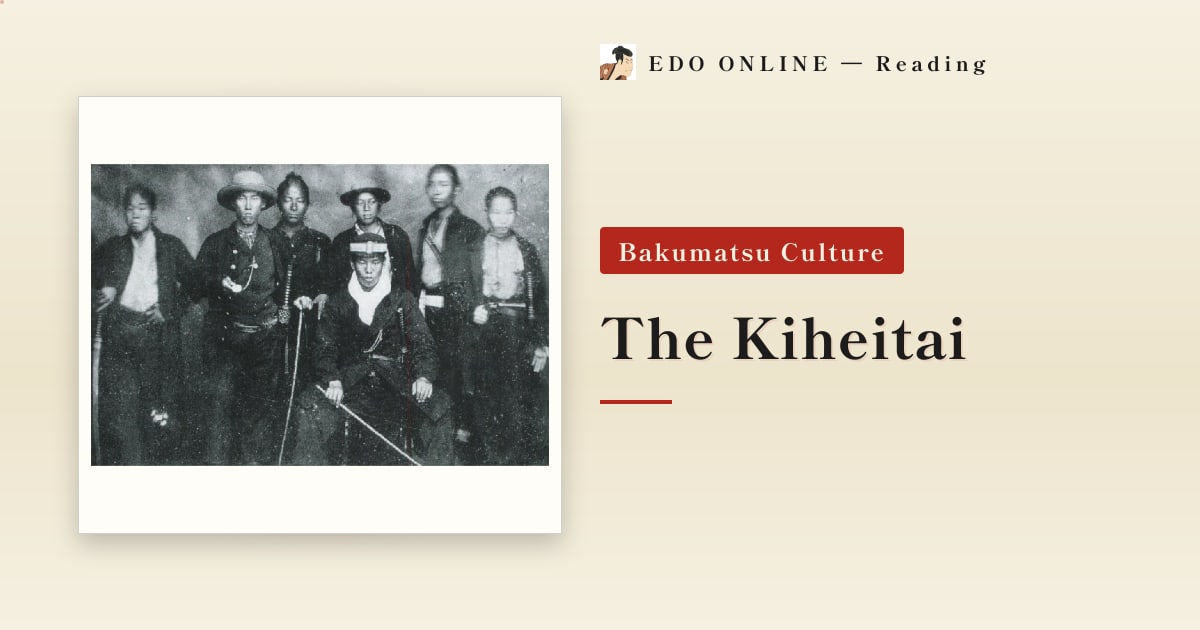
The Kiheitai — Takasugi's Army That Ignored Class
Raised in 1863 by Takasugi Shinsaku, the Kiheitai took commoners as soldiers. Why Choshu did it, how it differed from the regular army, what it won, and how the new government crushed it.
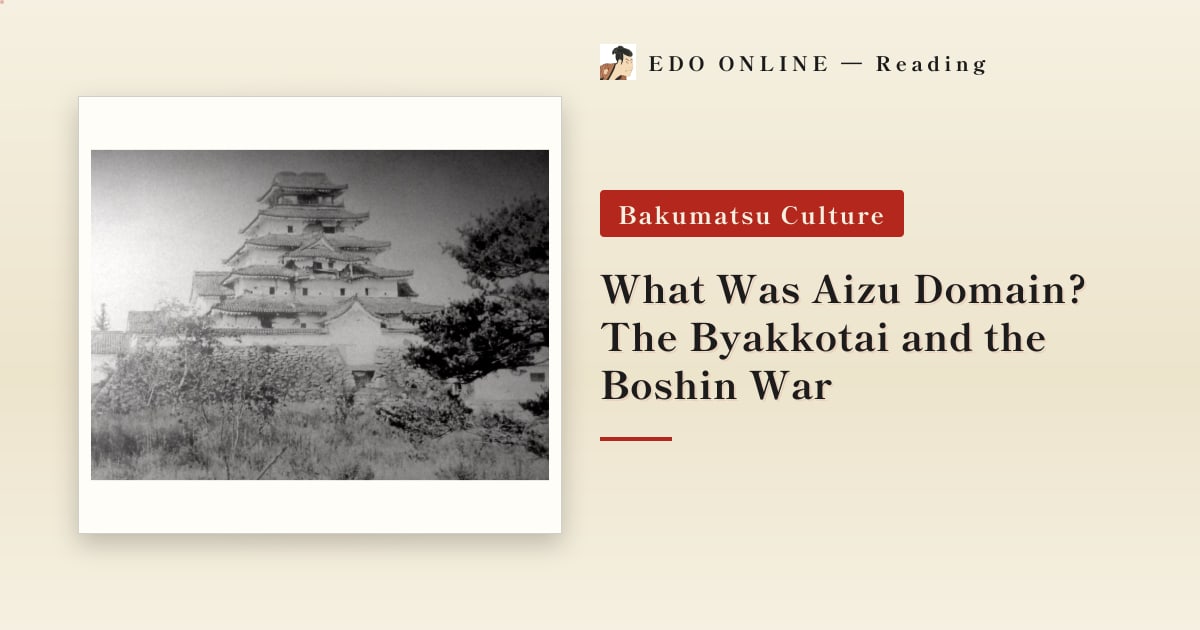
What Was Aizu Domain? The House Code, the Byakkotai, the Siege
Aizu stayed loyal to the shogunate to the end and was destroyed for it. Why Matsudaira Katamori took the Kyoto post, what happened to the Byakkotai, and how the domain was punished.
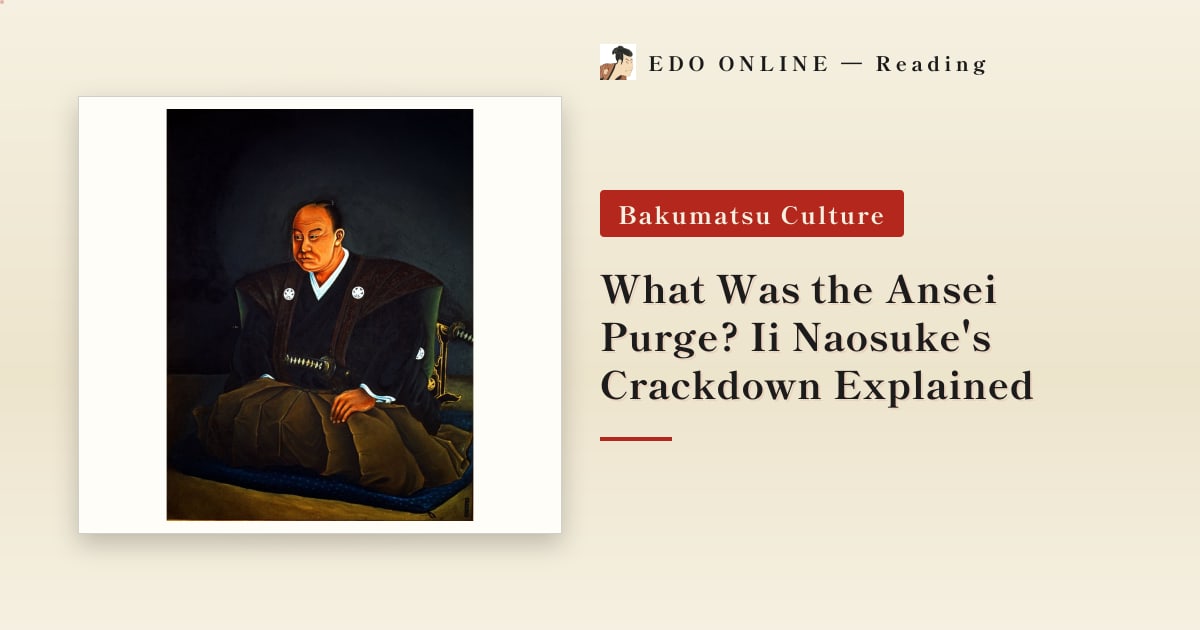
What Was the Ansei Purge? Ii Naosuke's Crackdown Explained
Between 1858 and 1859 the shogunate's chief minister Ii Naosuke purged more than a hundred opponents and executed eight, including Yoshida Shoin. Why it happened and what it destroyed.