Harada Sanosuke — The Spearman of the Shinsengumi's Tenth Unit
One senior man of the Shinsengumi fought with a spear rather than a sword. Harada Sanosuke, captain of the tenth unit.
Contents
Who Was Harada Sanosuke?
Harada commanded the tenth unit and served at the Ikedaya Incident and the Kinmon Incident.
He was born in 1840 in Matsuyama domain, Iyo Province — not into the samurai class. His family rank was chugen: a servant attached to a warrior household, doing menial work and attending his master.
The Shinsengumi was a place where men of low birth could act as warriors. Kondo Isami came from a farming family in Tama, and so did Hijikata Toshizo. Harada started lower still and reached the officer ranks.
Harada Sanosuke's Spear
His weapon was the spear, and he is credited with training in the Taneda school.
The Shinsengumi is remembered as a body of swordsmen, but in real fighting the spear was often the better weapon: longer reach, and effective in the open melees they actually fought.
That the unit kept a spear specialist among its officers says something about how practical it was beneath the image.
The Story of Harada Sanosuke's Scar
The story most often told about Harada concerns his belly.
Taunted over his low birth — told that he would not even know how to cut himself open properly — he is said to have opened his stomach on the spot to prove otherwise, and survived. He then showed the scar off for years afterward.
There is no way to verify it. But it is the anecdote that always accompanies him, and it sits at the centre of the picture people have of the man: a chip about status, and the temperament to answer it head-on.
How Harada Sanosuke Died at Ueno
After the defeat at Toba-Fushimi in 1868, the Shinsengumi withdrew to Edo.
Harada is understood to have left the unit at this point and joined the Shogitai, the body of former shogunal retainers who fortified Ueno.
He is thought to have been wounded in the battle there and to have died shortly afterward. No roster entry or grave fixes the end of his life, so this remains the leading account rather than a settled fact. With the day of his birth unrecorded, his age would have been twenty-seven or twenty-eight. The imperial operation was directed by Omura Masujiro, and the fighting lasted one day.
Kondo executed at Itabashi, Harada killed at Ueno, and Hijikata shot at Hakodate the following year. The men of the Shieikan were lost in quick succession across those two years.
The Harada Sanosuke Survival Legend
A story circulates that Harada did not die at Ueno at all, but crossed to the continent and became a mounted bandit.
There is no reliable basis for it. It rests on later popular writing and rumour rather than on contemporary record.
Survival legends attach themselves to Bakumatsu figures constantly. The more dramatic the recorded death, the more people wanted the person to have lived.
Harada Sanosuke's Photograph
An image is passed down as a portrait of Harada, but attributions of photographs to Shinsengumi members are frequently unreliable and should be treated carefully.
Only a few, Hijikata among them, are securely identified. For Yamanami Keisuke and Okita Soji, the circulating images are unverified.
Harada Sanosuke Timeline
| Year | Event |
|---|---|
| 1840 | Born in Matsuyama domain, Iyo Province, in servant rank |
| early 1860s | Falls in with the Shieikan circle in Edo |
| 1863 | Goes to Kyoto and helps found the Shinsengumi |
| 1864 | Serves at the Ikedaya Incident and the Kinmon Incident |
| 1865 | Becomes captain of the tenth unit in the reorganization |
| 1868 | Joins the Shogitai after Toba-Fushimi; thought to have been wounded at Ueno and died, aged 27 or 28 |
For the unit see the Shinsengumi and its captains.
Related reading
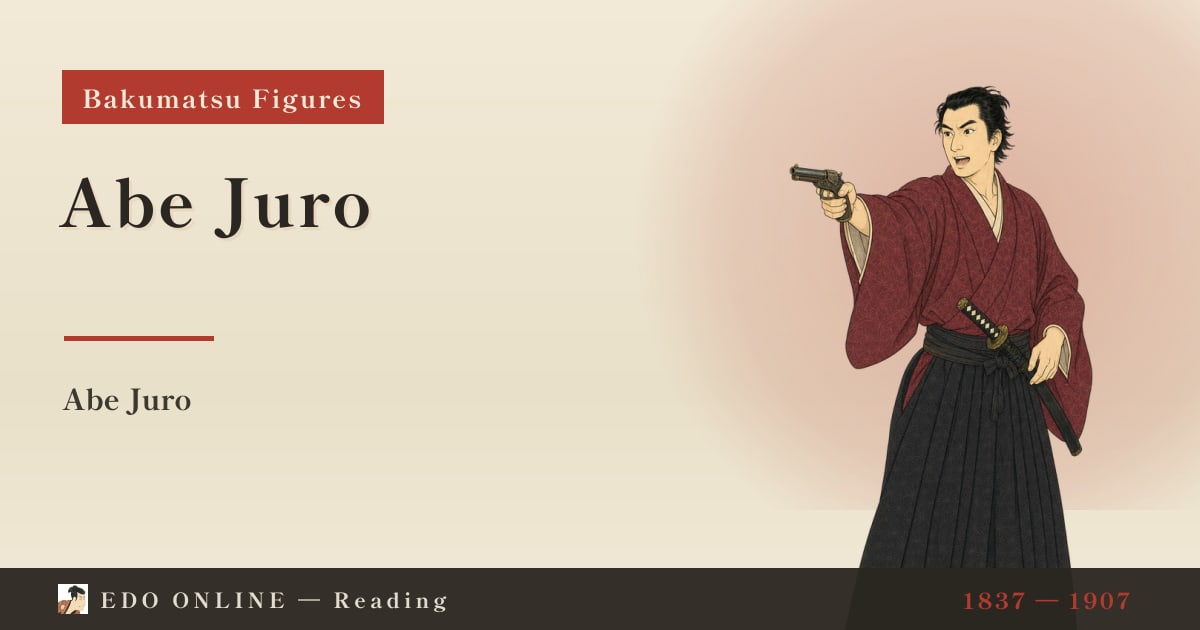
Abe Juro — The Former Member Who Talked
He deserted the Shinsengumi and rejoined under another name, shot at Kondo Isami as one of the Goryō Eji, and then grew apples in Sapporo. His late-Meiji testimony is where the ranking of the corps' best swordsmen comes from.
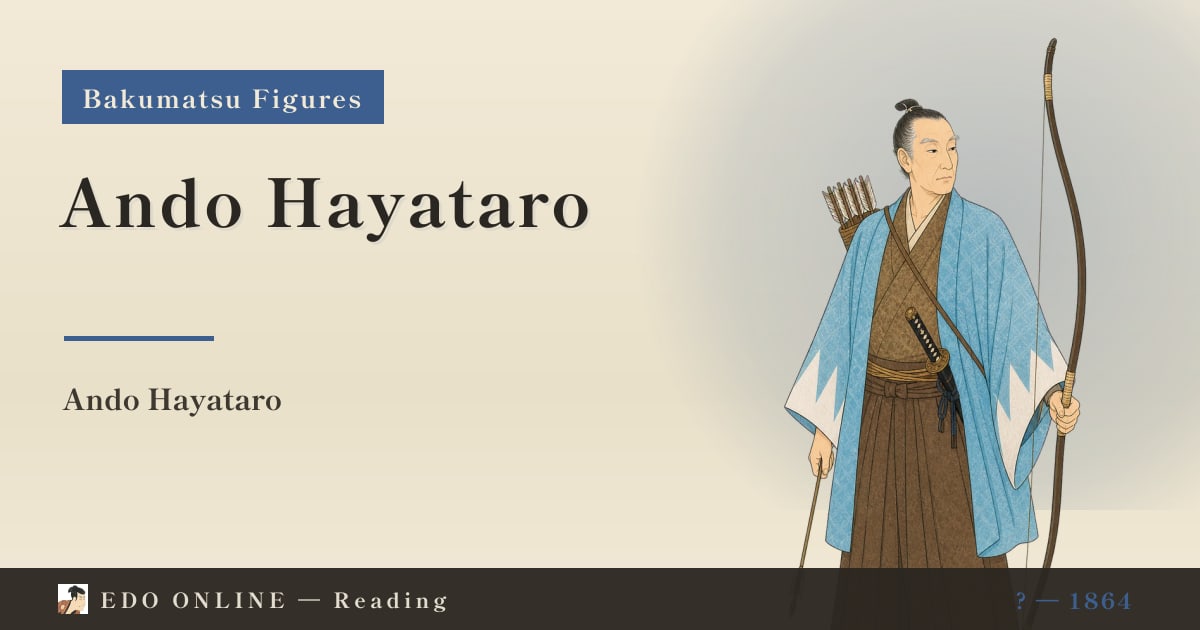
Ando Hayataro — The Shinsengumi's Record-Breaking Archer
He set the standing national record in the long-range shooting at the Tōdai-ji Great Buddha Hall, sending 8,685 arrows the length of the corridor. Nearly fifty, he joined the Shinsengumi and died of wounds taken in the back garden of the Ikedaya.
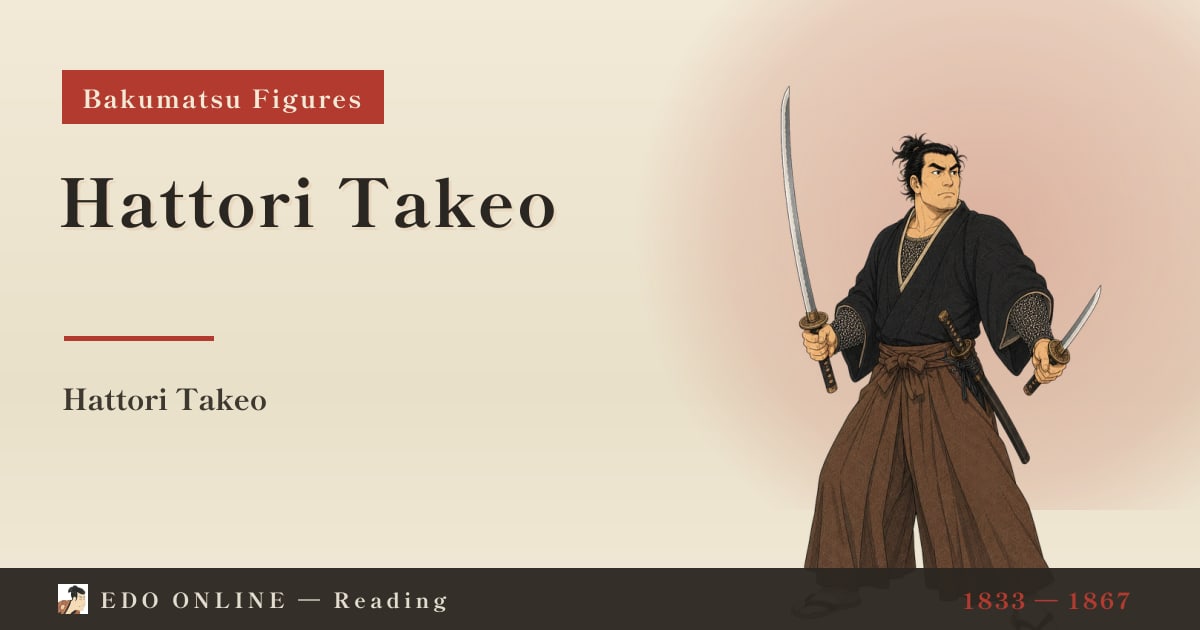
Hattori Takeo — Two Swords at Aburanokoji
A two-sword master and fencing instructor of the Shinsengumi who defected with the Goryō Eji. At Aburanokōji he alone wore mail, held a wall against the whole corps, and fell with more than twenty wounds.