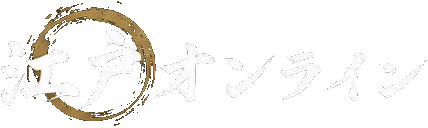
Bakumatsu Figures: Who Was Who in the End of the Shogunate
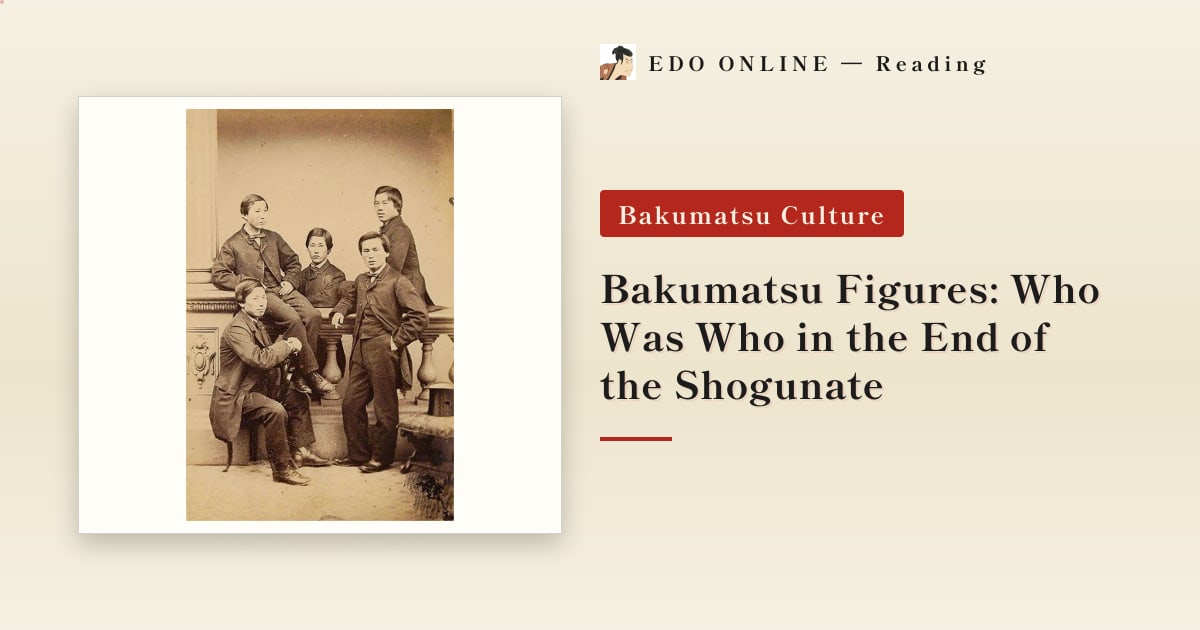
The Bakumatsu has a large cast, and the alliances change part-way through. This page groups the principal figures by allegiance so the relationships are legible.
Contents
What were the shishi?
The word shishi describes men who threw themselves into political action out of concern for the country's future. Most were samurai of low rank, who under the existing status order could never have reached the centre of power.
That is precisely why they had reason to break it. The Bakumatsu transformation came from below rather than above because of this structural fact.
Satsuma domain
| Person | Dates | What they did |
|---|---|---|
| Saigō Takamori | 1828-1877 | Led the overthrow and secured the surrender of Edo; died in the Satsuma Rebellion |
| Ōkubo Toshimichi | 1830-1878 | Abolished the domains and built the Meiji state; assassinated at Kioizaka |
| Shimazu Nariakira | 1809-1858 | Domain lord who promoted Saigō and pursued modernisation |
| Komatsu Tatewaki | 1835-1870 | Chief retainer who hosted the Satsuma-Chōshū Alliance |
Choshu domain
| Person | Dates | What they did |
|---|---|---|
| Yoshida Shōin | 1830-1859 | Taught the men who made the Restoration; executed in the Ansei Purge |
| Takasugi Shinsaku | 1839-1867 | Founded the Kiheitai and returned Chōshū to the anti-shogunal line |
| Kido Takayoshi | 1833-1877 | Signed the alliance for Chōshū and built the new government |
| Kusaka Genzui | 1840-1864 | One of Shōin's two outstanding students; killed himself at the Kinmon incident |
| Itō Hirobumi | 1841-1909 | Shōin's student; Japan's first prime minister |
| Yamagata Aritomo | 1838-1922 | Shōin's student; dominant figure in the Meiji army and politics |
The concentration of Shōka Sonjuku graduates is remarkable. But Kusaka and Yoshida Toshimaro were killed during the Bakumatsu and Takasugi died of illness. The students who survived to govern — Itō and Yamagata — were not the ones considered most promising at the time.
Tosa domain
| Person | Dates | What they did |
|---|---|---|
| Sakamoto Ryōma | 1836-1867 | Left the domain, ran the Kaientai, brokered the alliance |
| Nakaoka Shintarō | 1838-1867 | Led the Rikuentai and brokered the alliance with Ryōma |
| Takechi Hanpeita | 1829-1865 | Founded the Tosa Loyalist Party; forced to commit suicide by his domain |
| Gotō Shōjirō | 1838-1897 | Assembled the domain's proposal for the return of power |
| Yamauchi Yōdō | 1827-1872 | Former lord who put the proposal to the shogunate |
The shogunal side
| Person | Dates | What they did |
|---|---|---|
| Tokugawa Yoshinobu | 1837-1913 | The fifteenth and last shogun, who returned power to the emperor |
| Ii Naosuke | 1815-1860 | Opened the country by force; killed at Sakuradamon |
| Katsu Kaishū | 1823-1899 | A shogunal official who achieved the bloodless surrender of Edo |
| Matsudaira Katamori | 1836-1893 | Lord of Aizu and Protector of Kyoto; loyal to the end |
| Enomoto Takeaki | 1836-1908 | Took the shogunal fleet north and held Goryōkaku |
| Oguri Tadamasa | 1827-1868 | Reformed shogunal finances and the army; executed after the Restoration |
The Shinsengumi
| Person | Dates | What they did |
|---|---|---|
| Kondō Isami | 1834-1868 | Commander; made his name at the Ikedaya; executed at Itabashi |
| Hijikata Toshizō | 1835-1869 | Vice-commander, the "Demon"; killed at Hakodate |
| Okita Sōji | 1842?-1868 | Captain of the first unit; a noted swordsman who died of illness |
| Serizawa Kamo | ?-1863 | The original senior commander, purged from within |
| Nagakura Shinpachi | 1839-1915 | Captain of the second unit; survived and left the key memoir |
Court nobles
| Person | Dates | What they did |
|---|---|---|
| Iwakura Tomomi | 1825-1883 | Engineered the Restoration of Imperial Rule and led the Iwakura Mission |
| Sanjō Sanetomi | 1837-1891 | A loyalist noble who fled to Chōshū after the 1863 coup |
| Emperor Kōmei | 1831-1867 | Favoured expelling foreigners but opposed overthrowing the shogunate |
How the sides changed
The same people appear on different sides at different times. This is the main source of confusion.
| Period | Alignment |
|---|---|
| 1858 | Ii Naosuke and the shogunate against the Hitotsubashi faction and loyalists |
| 1863-64 | Satsuma, Aizu and the Shinsengumi against Chōshū |
| 1866 | Satsuma and Chōshū together against the shogunate |
| 1868 | The new government (Satsuma, Chōshū, Tosa, Hizen) against shogunal forces (Aizu, the Shinsengumi and others) |
| 1877 | The Meiji government against Saigō Takamori |
Satsuma and Chōshū were shooting at each other in 1864 and allied in 1866 — a reversal inside two years. And Saigō and Ōkubo, who made the Restoration together, ended as enemies.
Frequently asked questions
What were the Bakumatsu shishi?
Men, mostly of low samurai rank, who took political action out of concern for the country's future during the final years of the shogunate.
Who were the Three Great Nobles of the Restoration?
Saigō Takamori, Ōkubo Toshimichi and Kido Takayoshi. All three died between 1877 and 1878.
Who is the most famous Bakumatsu figure?
Sakamoto Ryōma is usually named, though his reputation grew substantially after his death through twentieth-century fiction rather than from his standing at the time.
For individual lives see Bakumatsu figures; for the sequence of events see the Bakumatsu timeline.
Related reading
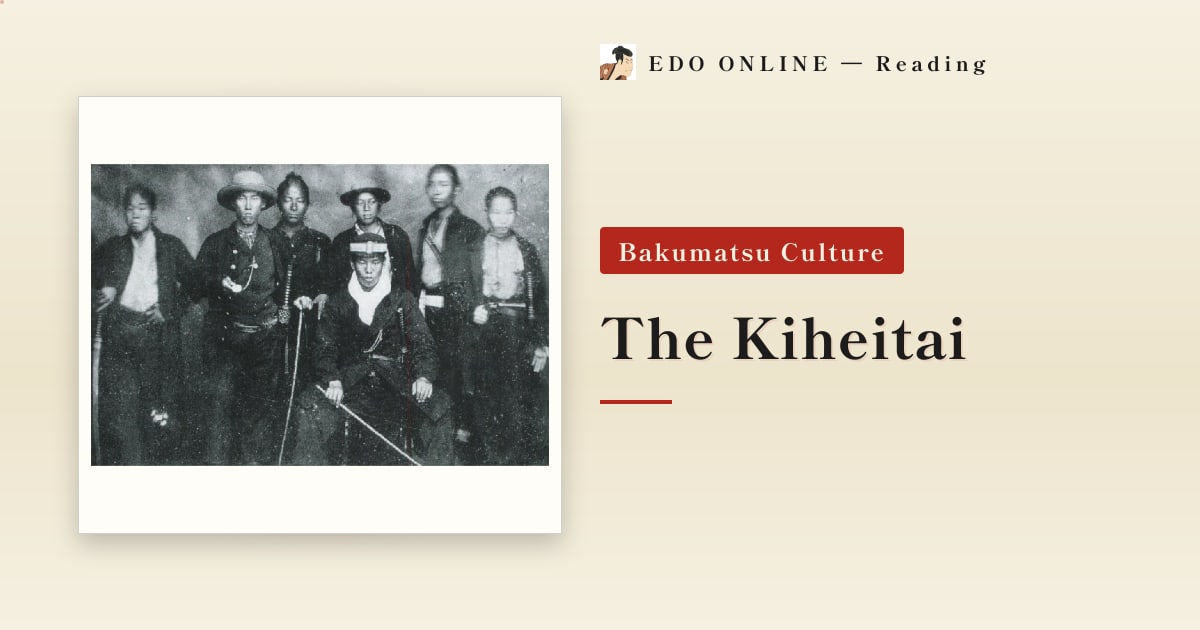
The Kiheitai — Takasugi's Army That Ignored Class
Raised in 1863 by Takasugi Shinsaku, the Kiheitai took commoners as soldiers. Why Choshu did it, how it differed from the regular army, what it won, and how the new government crushed it.
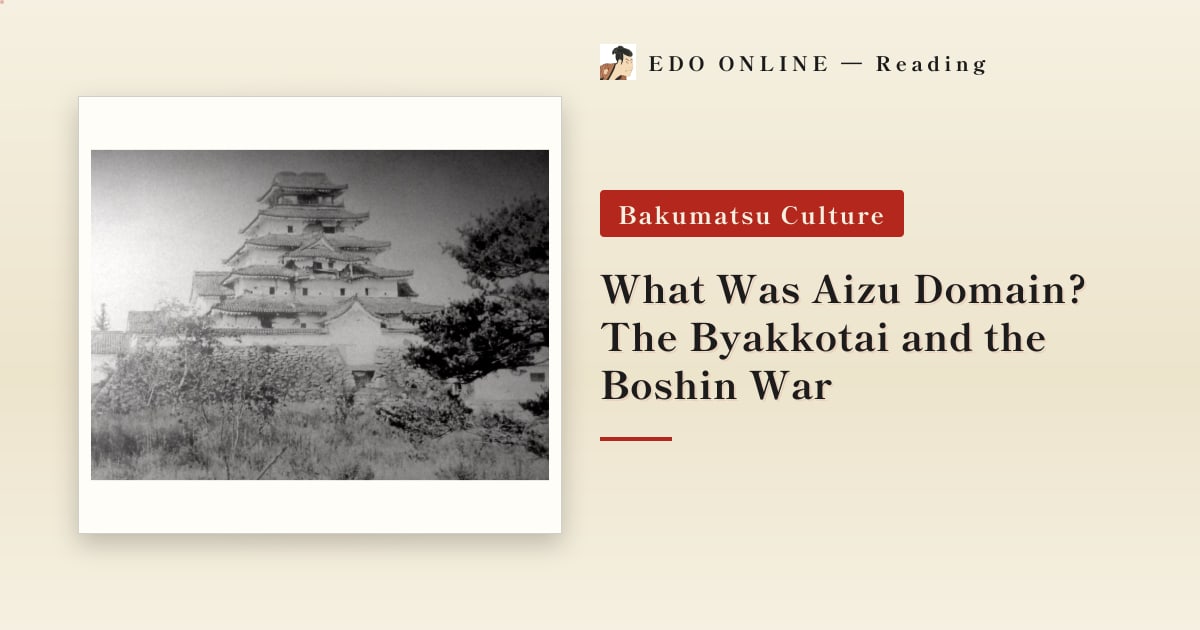
What Was Aizu Domain? The House Code, the Byakkotai, the Siege
Aizu stayed loyal to the shogunate to the end and was destroyed for it. Why Matsudaira Katamori took the Kyoto post, what happened to the Byakkotai, and how the domain was punished.
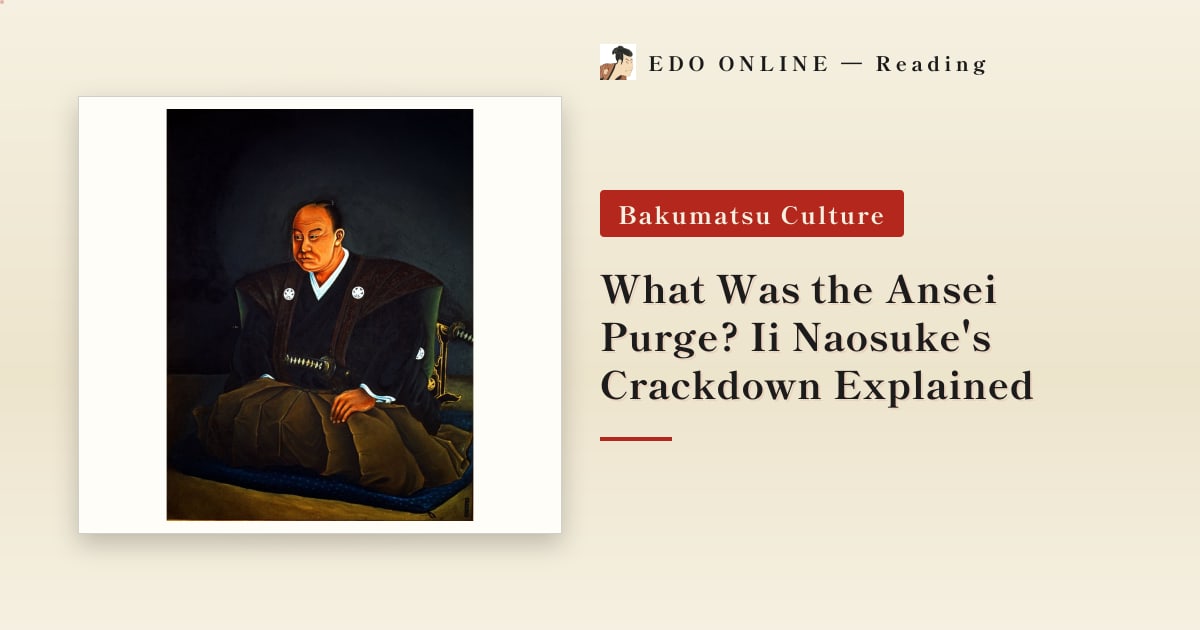
What Was the Ansei Purge? Ii Naosuke's Crackdown Explained
Between 1858 and 1859 the shogunate's chief minister Ii Naosuke purged more than a hundred opponents and executed eight, including Yoshida Shoin. Why it happened and what it destroyed.