
What Was the Sakuradamon Incident? The Day a Chief Minister Fell
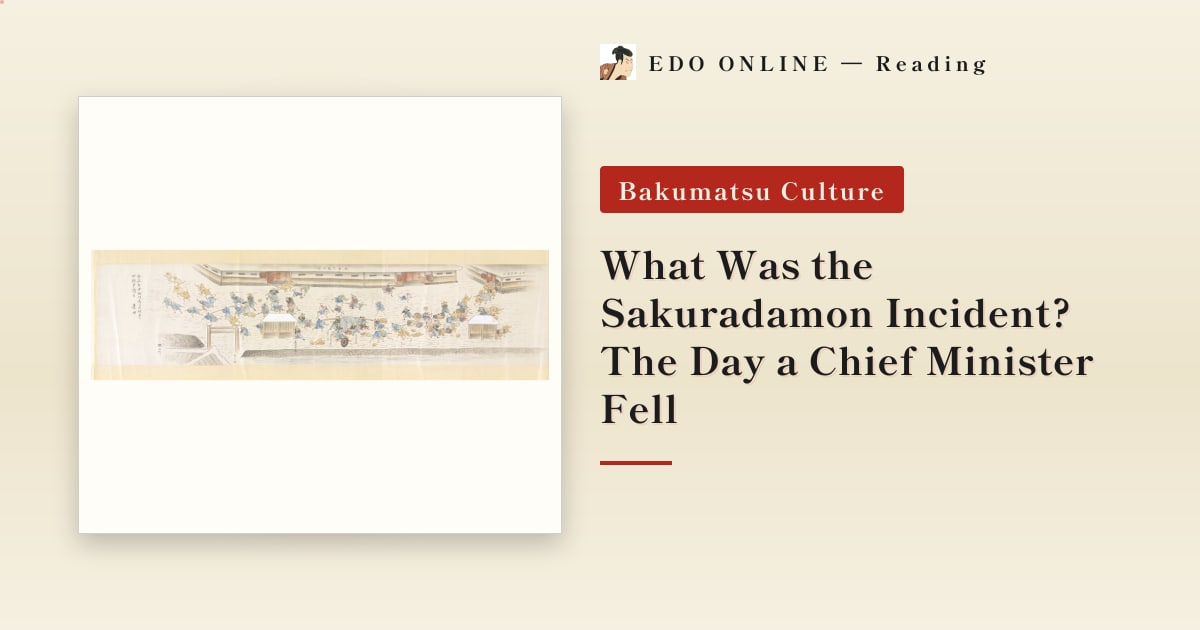
On a snowy morning, the most powerful official in Japan was cut down in broad daylight. The Sakuradamon incident did more damage to the Tokugawa shogunate in a few minutes than years of political opposition had managed.
Contents
What was the Sakuradamon incident?
The assassination of the shogunate's chief minister Ii Naosuke on 24 March 1860, outside the Sakuradamon gate of Edo Castle, by ronin from Mito domain.
| Item | Detail |
|---|---|
| Date | Morning of 24 March 1860 |
| Place | Outside the Sakuradamon gate, Edo Castle (present-day Chiyoda, Tokyo) |
| Attackers | Seventeen Mito ronin and one Satsuma retainer, eighteen in all |
| Victim | Chief minister Ii Naosuke, lord of Hikone, aged 44 |
| Significance | The shogunate's highest official murdered in daylight at its own gate |
Why was Ii Naosuke assassinated?
The immediate cause was the Ansei Purge.
When Emperor Kōmei sent an edict directly to Mito, bypassing the shogunate, Ii demanded its return and punished everyone associated with it. In Mito, Ajima Tatewaki was ordered to commit suicide and the Ukai father and son were executed. For men whose senior retainers had been killed one after another, Ii was beyond forgiveness.
Three grievances had accumulated behind that.
- Signing the commercial treaty without imperial sanction — concluding an agreement with a foreign power over the throne's head
- The succession dispute — rejecting Hitotsubashi Yoshinobu, backed by Mito, in favour of the Kii candidate
- The confinement of Tokugawa Nariaki — the political destruction of Mito's former lord
To the attackers, this was not private revenge. It was the execution of a minister who had trampled the will of the emperor.
What happened that morning
The third day of the third month was a seasonal festival on which the lords proceeded to the castle. The route and the timing were therefore known in advance.
Unseasonable snow lay on the ground that morning, and it decided the outcome.
The Hikone escort had put on rain capes against the weather and fitted protective covers over their sword hilts to keep them dry. None of them could draw quickly. As the procession approached the gate, the ronin attacked from both sides at once.
A pistol shot came first, striking Ii inside his palanquin. In the confusion the guards could not form a defence, and the Satsuma retainer Arimura Jizaemon dragged Ii out and took his head. Arimura, badly wounded, killed himself soon afterwards.
The whole affair was over in minutes — at the gate of the shogun's own castle.
How did the shogunate respond?
It did not announce the death.
The bare fact that a chief minister had been assassinated was intolerable for the government's standing. Ii was officially described as wounded and convalescing, and his death was recorded later as illness. The fiction also served to protect Hikone domain from forfeiture, since a house whose lord died without an heir designated could be dissolved.
Concealment was never going to work. The news travelled immediately, and with it the conclusion that the shogunate could no longer control its opponents.
What the Sakuradamon incident changed
Shogunal authority never recovered. The policy of crushing opposition by force ended with Ii, and the government turned instead to conciliation with the imperial court.
It demonstrated that assassination worked. From this point, political murder became a standing feature of Bakumatsu politics. The killings of Sakamoto Ryōma and Nakaoka Shintarō lie on the same line.
The enmity between Mito and Hikone lasted. Formal reconciliation between the two came only late in the Meiji period.
Eighteen months separate the peak of the Ansei Purge from this morning. Rule by force brought about the collapse of the order it was meant to defend — the lesson historians most often draw from the episode.
Frequently asked questions
When was the Sakuradamon incident?
On the morning of 24 March 1860.
Who assassinated Ii Naosuke?
Seventeen ronin from Mito domain together with the Satsuma retainer Arimura Jizaemon, eighteen men in total.
Why did the snow matter?
The Hikone escort had covered their sword hilts and put on capes against the weather, leaving them unable to respond quickly. The snow is generally credited with the attack's success.
Does the Sakuradamon gate still exist?
Yes. The gate survives at the Imperial Palace, the former Edo Castle, and is designated an Important Cultural Property.
For the man killed there see Ii Naosuke; for the crackdown that caused it see the Ansei Purge.
Related reading
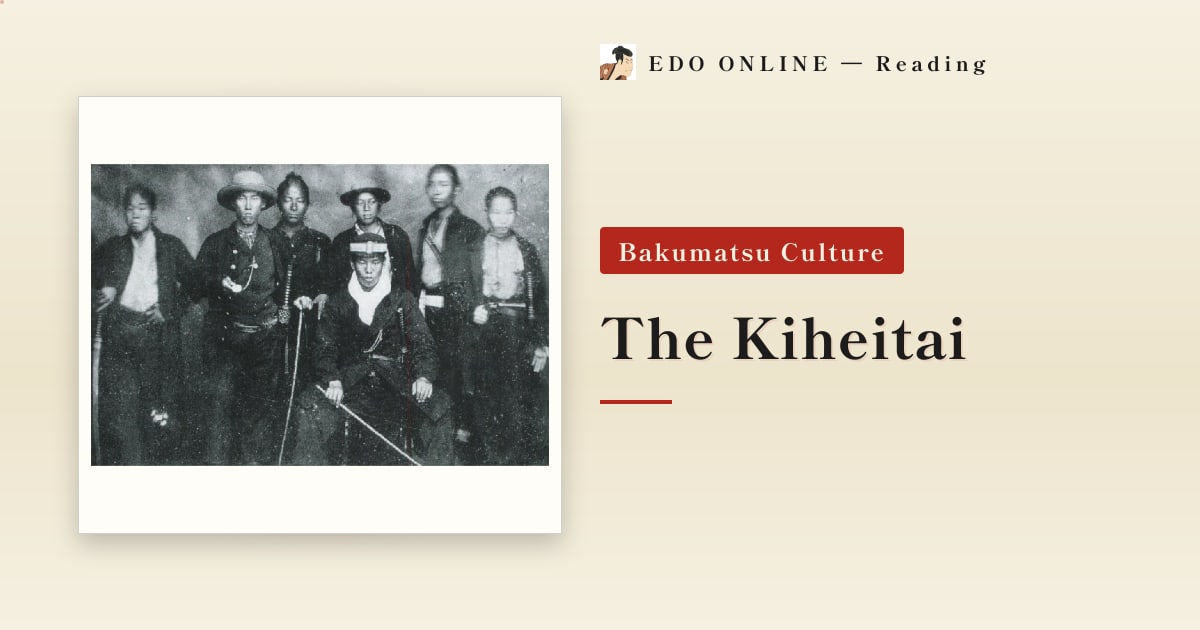
The Kiheitai — Takasugi's Army That Ignored Class
Raised in 1863 by Takasugi Shinsaku, the Kiheitai took commoners as soldiers. Why Choshu did it, how it differed from the regular army, what it won, and how the new government crushed it.
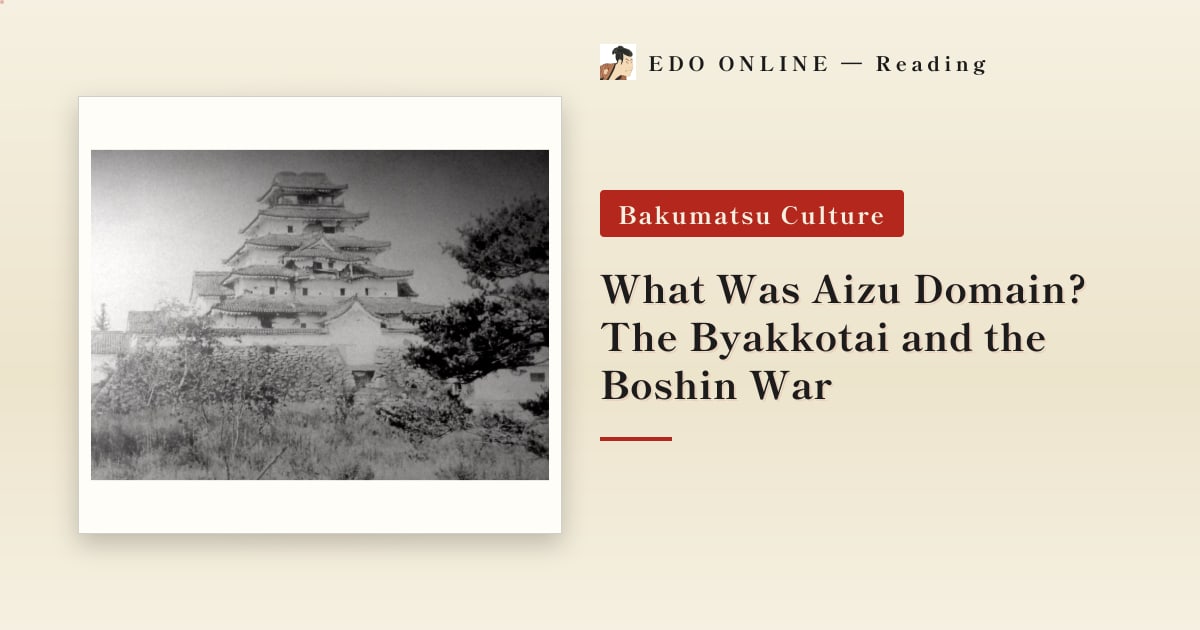
What Was Aizu Domain? The House Code, the Byakkotai, the Siege
Aizu stayed loyal to the shogunate to the end and was destroyed for it. Why Matsudaira Katamori took the Kyoto post, what happened to the Byakkotai, and how the domain was punished.
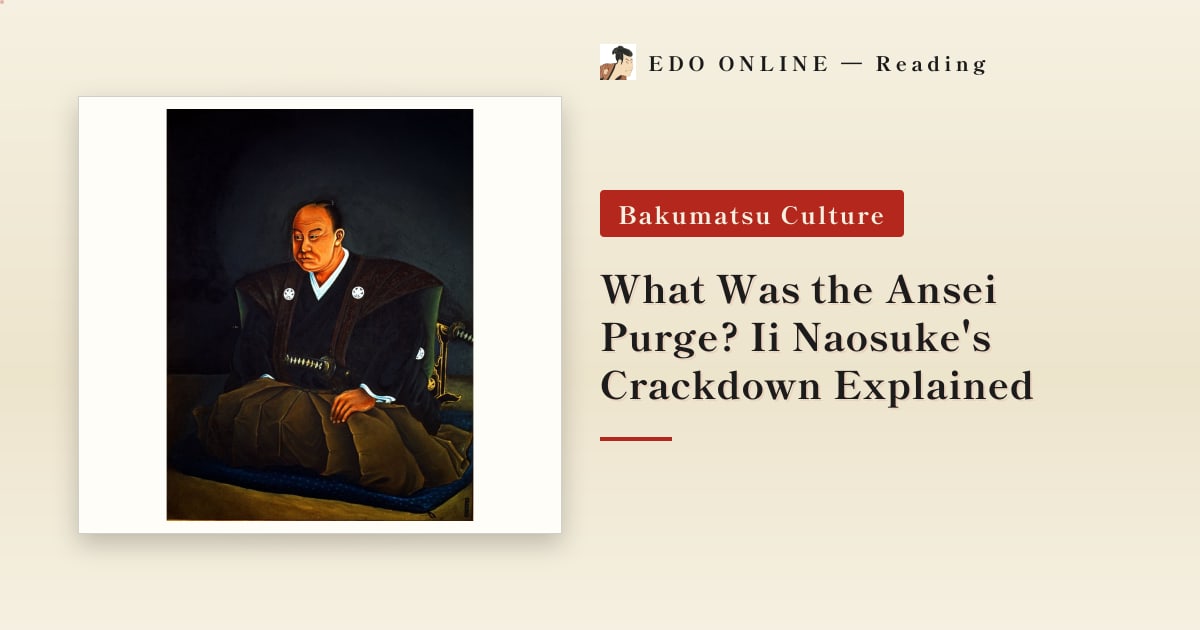
What Was the Ansei Purge? Ii Naosuke's Crackdown Explained
Between 1858 and 1859 the shogunate's chief minister Ii Naosuke purged more than a hundred opponents and executed eight, including Yoshida Shoin. Why it happened and what it destroyed.