Tokugawa Iemochi — The Shogun Who Died at Twenty
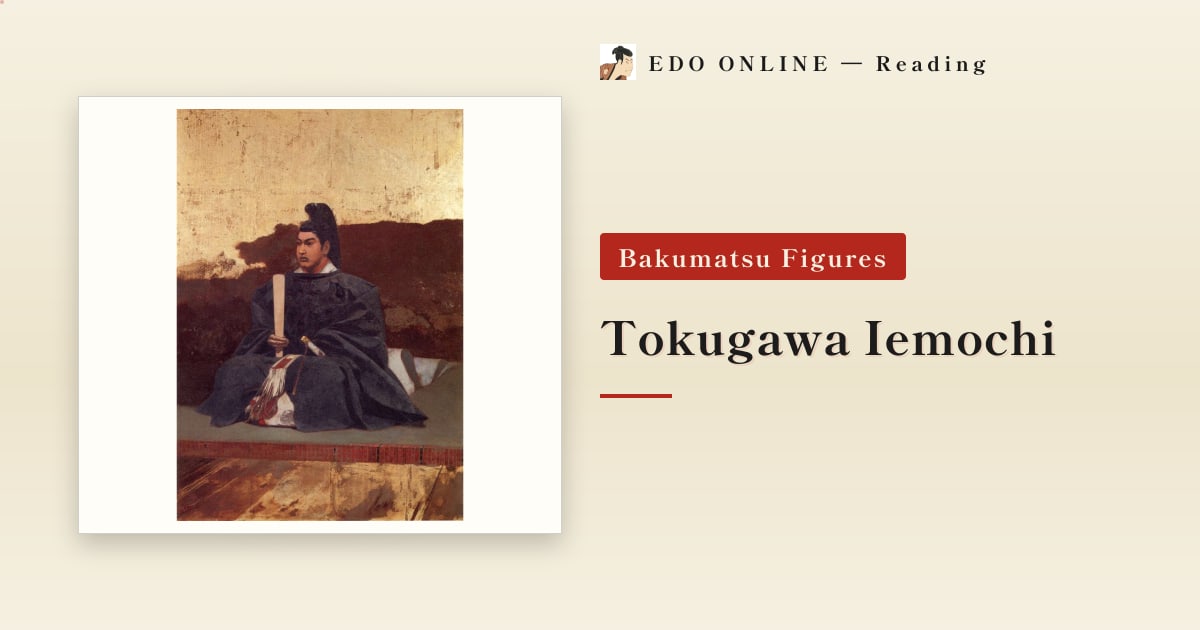
The fourteenth shogun died at twenty years old. Tokugawa Iemochi spent most of his time in office as a teenager.
Contents
Who Was Tokugawa Iemochi?
He was shogun during the years the shogunate was being cornered.
List what happened while he held the office and you have most of the Bakumatsu: the assassination at Sakuradamon, his own marriage to an imperial princess, the first shogunal visit to Kyoto in 229 years, the Ikedaya Incident, two campaigns against Choshu.
He directed almost none of it. He became shogun at twelve — thirteen by traditional Japanese reckoning — and lived permanently inside other people's political pressure.
Born in 1846 into the Kii branch of the Tokugawa house, he was called Yoshitomi as a boy.
Why Tokugawa Iemochi Became Shogun at Thirteen
The thirteenth shogun, Iesada, had no heir, and the succession split the shogunate in two.
One faction backed Hitotsubashi Yoshinobu — the future Tokugawa Yoshinobu — who was older and widely thought capable. The other backed Yoshitomi of Kii on grounds of blood proximity.
The matter was settled by the regent Ii Naosuke, who chose Yoshitomi. He took the name Iemochi and became the fourteenth shogun. Those who had opposed the choice were purged in the Ansei Purge.
His accession was itself a product of the era's factional warfare. The boy was seated on a fire that had been lit before he arrived.
Tokugawa Iemochi's Marriage to Kazunomiya
In 1862 Iemochi married Princess Kazunomiya, a sister of Emperor Komei.
It was purely a political arrangement, meant to symbolize the union of court and shogunate. Kazunomiya had already been betrothed elsewhere, and the match was not her wish.
And yet the marriage is recorded, from several directions, as a genuinely close one.
A well-known story has Kazunomiya asking her husband to bring back Kyoto silk when he travelled there. He kept the promise and had the cloth prepared. It reached Edo after his death.
Two people joined for reasons of state ended as a couple who cared for one another. In the record of these years, that is a rare quiet thing.
What Killed Tokugawa Iemochi
In the summer of 1866, at Osaka Castle directing the second Choshu campaign, Iemochi fell ill and died. He was twenty.
The accepted cause is beriberi, specifically the cardiac form.
Beriberi results from thiamine deficiency, and in Edo Japan it fell disproportionately on the upper classes who ate polished white rice — it was known as the "Edo affliction." Commoners eating unpolished grain were less affected than the shogun's household.
His rank was, in a real sense, part of the cause of death.
Later examination of the Tokugawa remains found that nearly every one of Iemochi's teeth was decayed, consistent with reports that he was fond of sweets.
Why Katsu Kaishu Mourned Tokugawa Iemochi
Accounts agree on his character: mild and conscientious.
Katsu Kaishu was among those he promoted, plucked from low rank and actually listened to, and Katsu grieved for him for the rest of his life. On hearing of the death he is said to have concluded that the Tokugawa were finished.
He was not far wrong. The restoration of imperial rule followed the next year, and the shogunate ended. Iemochi was, in practical terms, its last shogun who behaved like one.
Tokugawa Iemochi Timeline
| Year | Event |
|---|---|
| 1846 | Born into the Kii Tokugawa house |
| 1858 | Becomes fourteenth shogun at twelve after the succession dispute |
| 1860 | Ii Naosuke assassinated |
| 1862 | Marries Princess Kazunomiya |
| 1863 | Travels to Kyoto, the first shogun to do so in 229 years |
| 1864 | The Ikedaya Incident and the Kinmon Incident |
| 1866 | Dies at Osaka Castle during the second Choshu campaign, aged 20 |
For what followed, see the return of power to the emperor and Tokugawa Yoshinobu.
Related reading
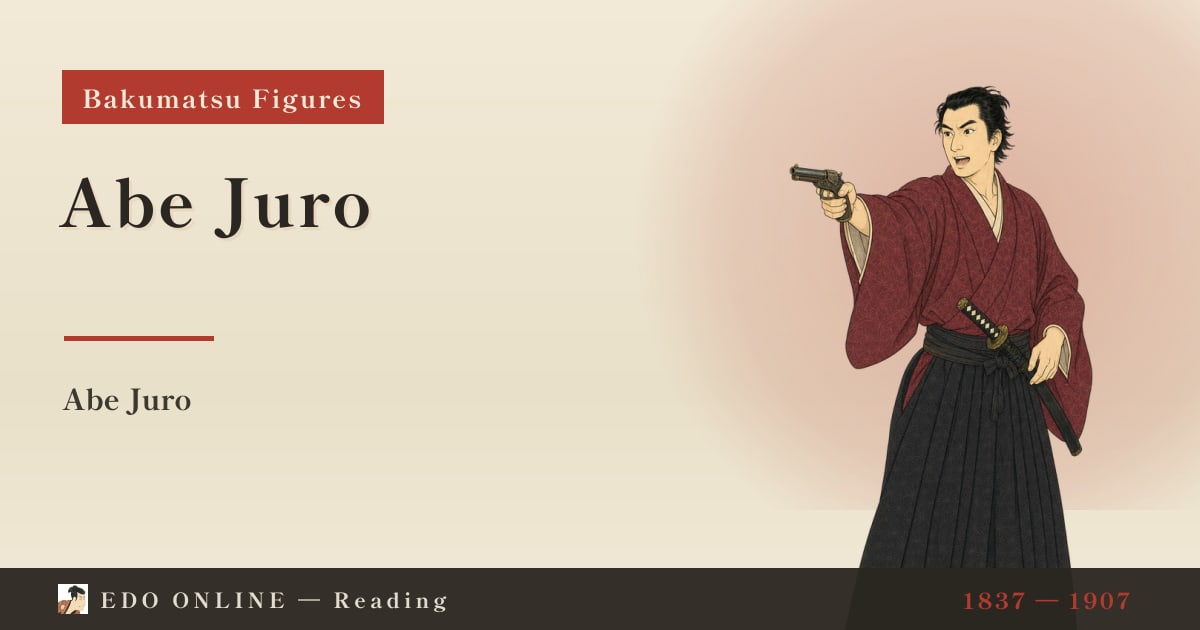
Abe Juro — The Former Member Who Talked
He deserted the Shinsengumi and rejoined under another name, shot at Kondo Isami as one of the Goryō Eji, and then grew apples in Sapporo. His late-Meiji testimony is where the ranking of the corps' best swordsmen comes from.
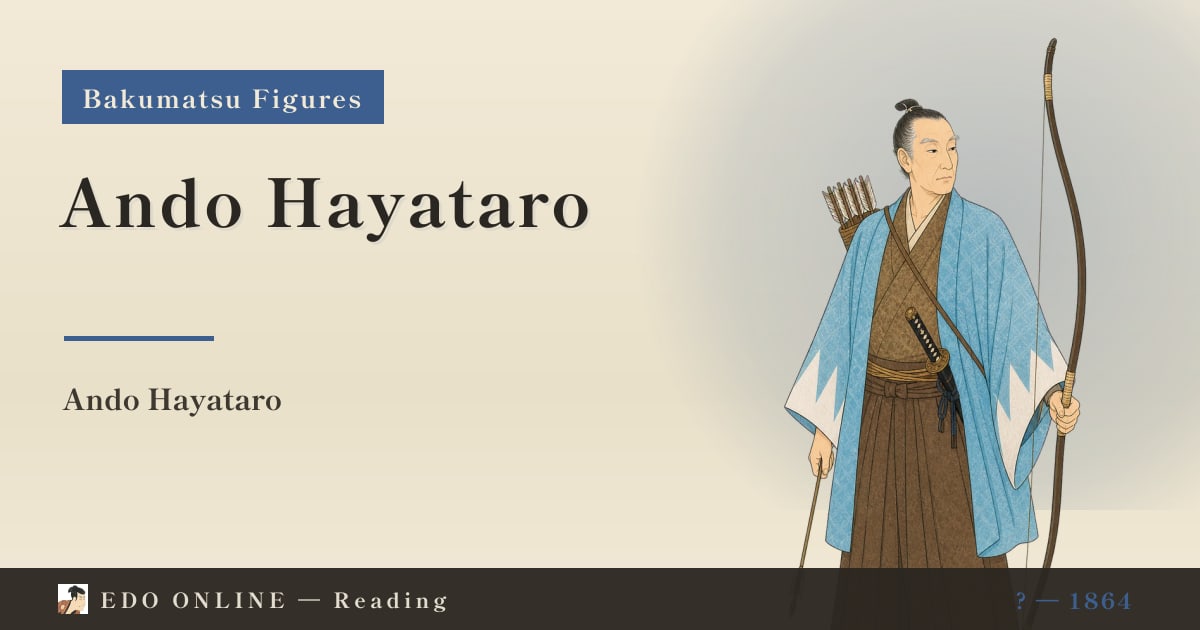
Ando Hayataro — The Shinsengumi's Record-Breaking Archer
He set the standing national record in the long-range shooting at the Tōdai-ji Great Buddha Hall, sending 8,685 arrows the length of the corridor. Nearly fifty, he joined the Shinsengumi and died of wounds taken in the back garden of the Ikedaya.
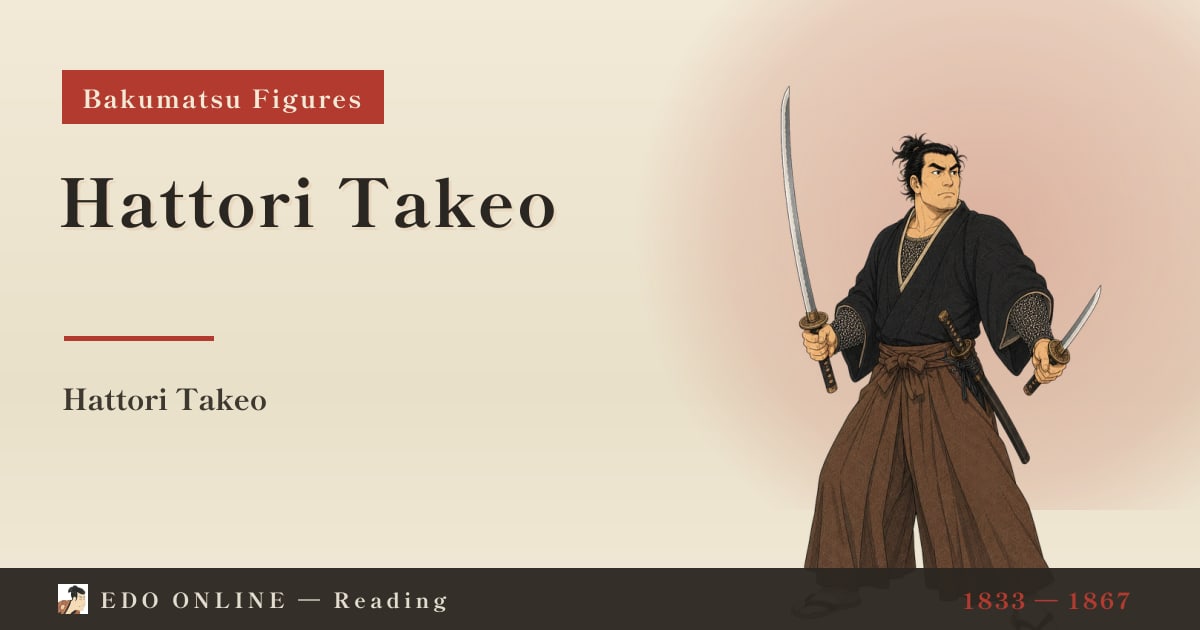
Hattori Takeo — Two Swords at Aburanokoji
A two-sword master and fencing instructor of the Shinsengumi who defected with the Goryō Eji. At Aburanokōji he alone wore mail, held a wall against the whole corps, and fell with more than twenty wounds.