
Irie Kuichi — The Foot Soldier's Son Who Said Yes to Shoin
When Yoshida Shoin put his most dangerous plan to his students, the only takers were two brothers. The elder was Irie Kuichi — the son of a foot soldier.
Contents
Who Was Irie Kuichi?
Irie was a Choshu samurai and a student of the Shoka Sonjuku.
He is counted among the four outstanding students of that school, with Takasugi Shinsaku, Kusaka Genzui and Yoshida Toshimaro.
Two things in his life are decisive.
He agreed to Shoin's plan. In 1859, when most of the students refused, he and his younger brother Nomura Wasaku said they would do it.
He died in the Kinmon Incident. He killed himself in Kyoto in August 1864, aged twenty-seven.
He was born in 1837 and died in 1864.
Irie Kuichi's Origins as a Foot Soldier's Son
Irie's origins put him among the lower ranks of Shoin's students.
He was the son of an ashigaru, a foot soldier — the bottom of the warrior order, with no part whatever in a domain's decisions.
In the same room, Takasugi Shinsaku was the son of a senior retainer and Kusaka Genzui the son of a domain physician. Irie's household did not compare.
This is what made the Shoka Sonjuku unusual. Yoshida Shoin did not ask about rank at admission; sons of foot soldiers, farmers and townsmen all attended. A foot soldier's son and an upper samurai's son argued in the same room — exceptional in Japan at the time.
And Shoin thought highly of Irie.
Why Irie Kuichi Backed Shoin's Plan
In 1859, in the period before he was sent to Edo, Shoin devised a plan.
The domain's lord would pass through Kyoto on his periodic journey; activists would intercept him and turn him toward appealing directly to the imperial court.
This defied the domain's orders, and everyone involved would be punished whether it succeeded or failed. Shoin put it to his students.
Nearly all of them refused, or avoided answering. Impossible. Too early.
Irie Kuichi agreed, and so did his younger brother Nomura Wasaku — who acted on it and was imprisoned.
Shoin is recorded as expressing bitter disappointment in most of his students at this point — and he raised his estimate of Irie a level.
Why only the Irie brothers? It is speculation, but one reading is that they had less to lose. The sons of senior retainers carried their families' standing. A foot soldier's son did not carry that weight.
Low birth as a form of freedom of action, on that reading.
How Irie Kuichi Died at the Kinmon Incident
Shoin was executed later that year in the Ansei Purge.
Irie stayed in Choshu's movement: the expulsionist actions of 1863, and the fight over the domain's course.
On 20 August 1864 came the Kinmon Incident.
Choshu's force went into Kyoto and fought Aizu, Satsuma and Kuwana troops near the imperial palace.
Irie was at the Takatsukasa mansion with Kusaka Genzui, trying to get Choshu's petition transmitted to the court. The mansion was surrounded and set alight.
Attempting to break out, Irie was speared through the eye and killed himself where he fell. He was twenty-seven.
The same day, Kusaka Genzui died in the same mansion and Kijima Matabei at the Hamaguri Gate.
Yoshida Toshimaro, another of the four, also died that day. Two of the four in twenty-four hours.
Irie Kuichi's Surviving Brother
Irie had a younger brother, Nomura Yasushi.
Nomura studied at the same school and, unlike his brother, survived — and served as home minister under the Meiji government.
From one foot soldier's household, one man died at twenty-seven and the other became a cabinet minister.
Irie Kuichi Timeline
| Year | Event |
|---|---|
| 1837 | Born the son of a Choshu foot soldier |
| late 1850s | Studies under Yoshida Shoin |
| 1859 | Agrees to Shoin's plan with his brother Nomura Wasaku, when most refused |
| 1859 | Shoin is executed in the Ansei Purge |
| 1863 | Takes part in Choshu's expulsionist actions |
| 20 Aug 1864 | Kills himself at the Takatsukasa mansion in the Kinmon Incident, aged 27 |
For the others of the four see Takasugi Shinsaku and Kusaka Genzui; for another man killed that day, Kijima Matabei.
Related reading
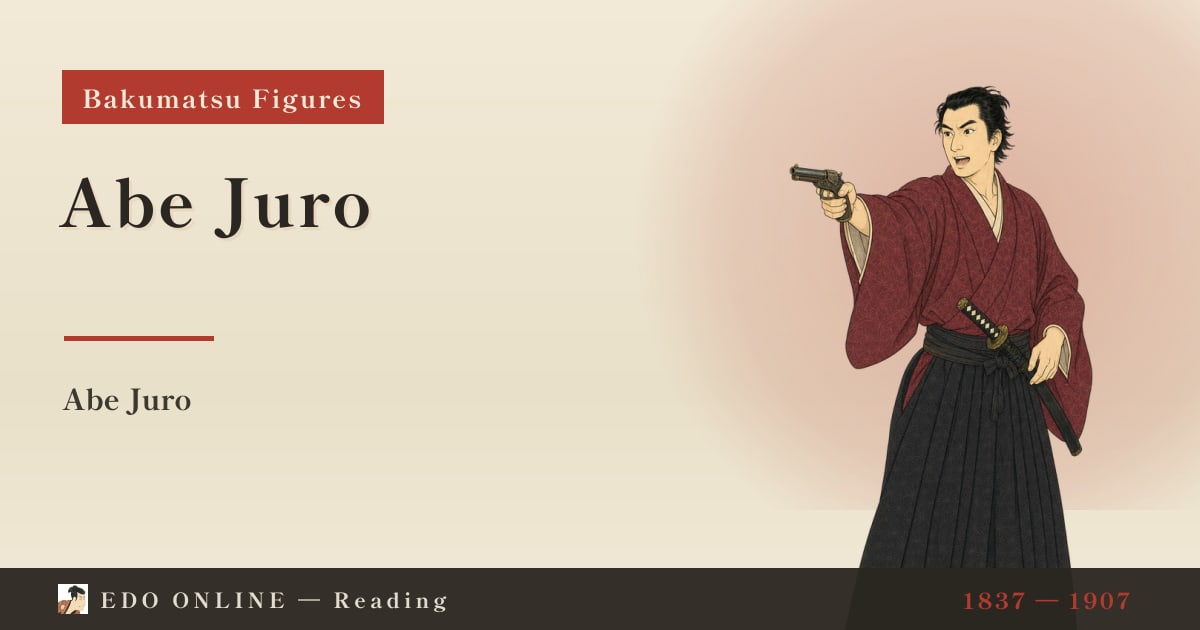
Abe Juro — The Former Member Who Talked
He deserted the Shinsengumi and rejoined under another name, shot at Kondo Isami as one of the Goryō Eji, and then grew apples in Sapporo. His late-Meiji testimony is where the ranking of the corps' best swordsmen comes from.
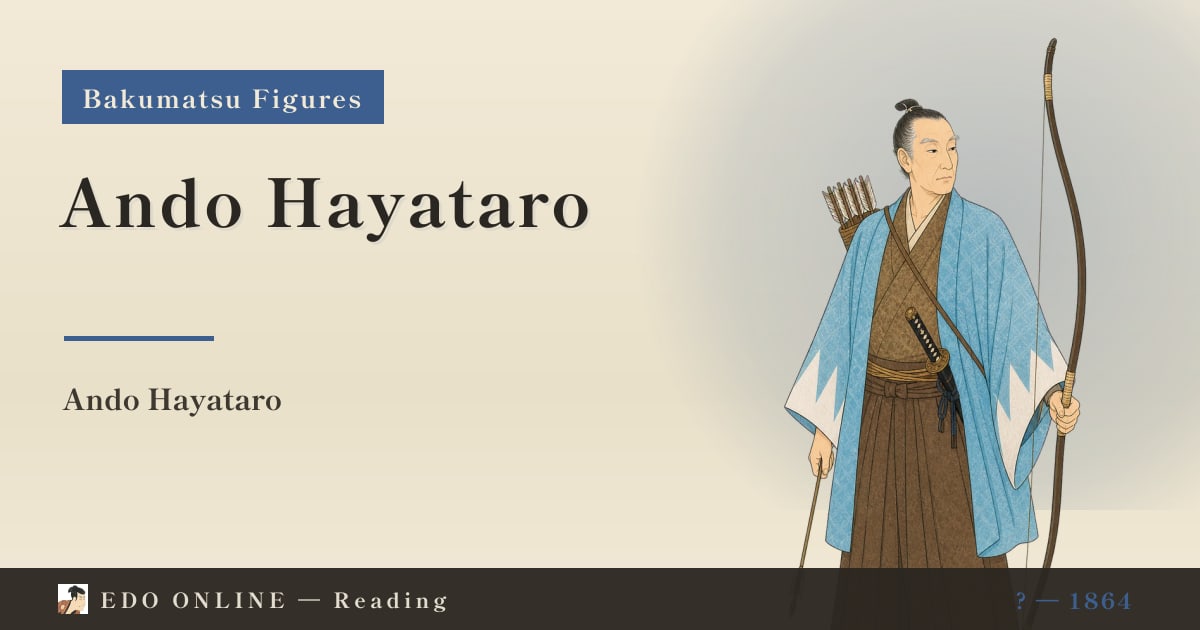
Ando Hayataro — The Shinsengumi's Record-Breaking Archer
He set the standing national record in the long-range shooting at the Tōdai-ji Great Buddha Hall, sending 8,685 arrows the length of the corridor. Nearly fifty, he joined the Shinsengumi and died of wounds taken in the back garden of the Ikedaya.
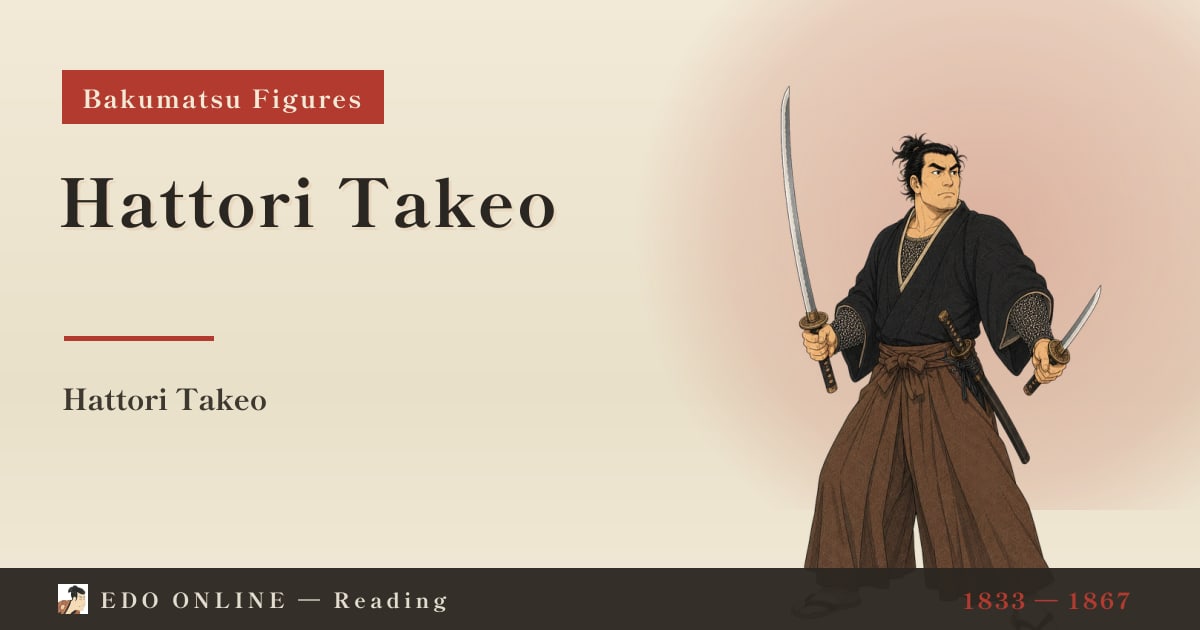
Hattori Takeo — Two Swords at Aburanokoji
A two-sword master and fencing instructor of the Shinsengumi who defected with the Goryō Eji. At Aburanokōji he alone wore mail, held a wall against the whole corps, and fell with more than twenty wounds.