Kirino Toshiaki — From "Hanjiro the Manslayer" to General
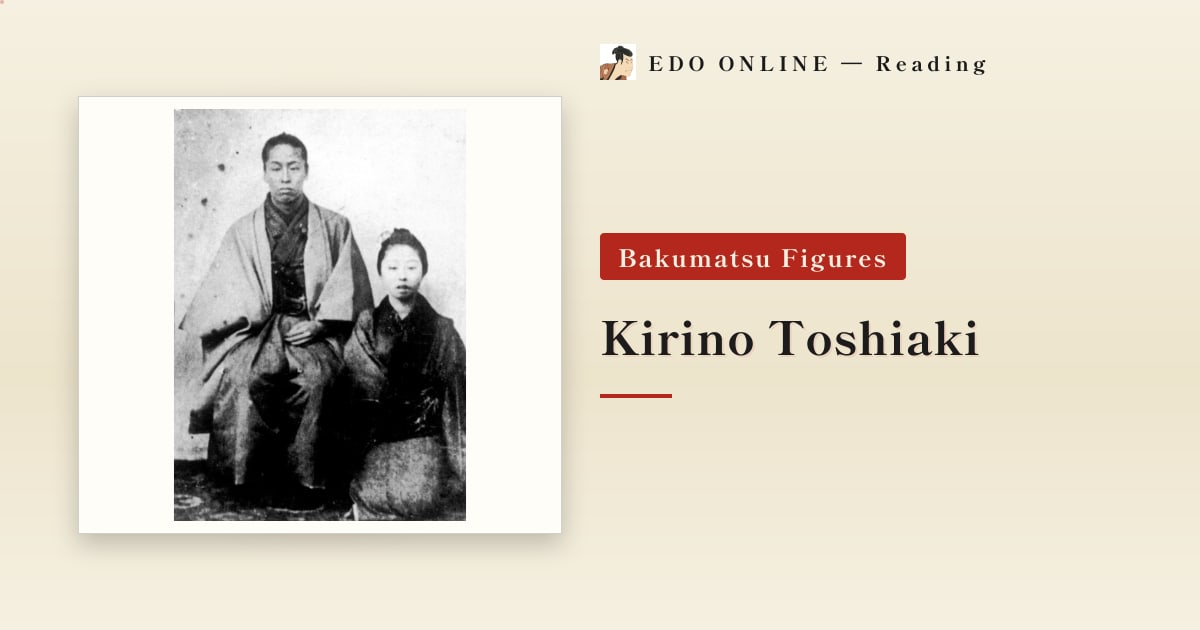
A man remembered as "Hanjiro the Manslayer" became a major general of the imperial army, then died leading a rebellion against it. Nakamura Hanjiro, later Kirino Toshiaki.
Contents
Who Was Kirino Toshiaki?
Three phases.
A Satsuma retainer in the Bakumatsu. Known for his swordsmanship, active in Kyoto. No contemporary source shows the nickname in use at the time; it belongs to how he was remembered later.
An officer of the new army. He rose to major general and commanded the Kumamoto garrison.
A rebel commander. He resigned alongside Saigo Takamori, led Satsuma forces against the government, and was killed at Shiroyama.
He was born in January 1839 into a low-ranking Satsuma family.
Was Kirino Toshiaki Really "Hanjiro the Killer"?
Hanjiro trained in a branch of the Jigen-ryu tradition, the aggressive Satsuma style — though accounts differ over which school and which teacher, and some hold that he was largely self-taught.
The nickname needs qualification. The killings that can actually be attributed to him are few.
Kyoto in those years contained men like Okada Izo, who genuinely carried out multiple assassinations. In Hanjiro's case, the reputation ran ahead of the record.
Skill, physical presence, and Satsuma behind him. Those three together will produce a nickname without much need for corpses.
He came from a poor household and had little formal education as a boy. Starting with nothing but a sword is something he shares with Okada Izo — except that Kirino went on to become a general.
Kirino Toshiaki in the Meiji Army
After distinguishing himself in the Boshin War, Hanjiro took the name Kirino Toshiaki.
He became a major general and commanded the Kumamoto garrison — responsible for the military in Kyushu.
In 1873 the government split over policy toward Korea. When Saigo Takamori resigned, Kirino resigned with him and returned to Kagoshima.
How Kirino Toshiaki Died at Shiroyama
Back in Kagoshima, Kirino became a central figure in the Shigakko, the Private School and its branch network — schools for the sons of former samurai and, simultaneously, an organized body of disaffected men.
In 1877 the Satsuma Rebellion broke out.
Kirino was one of the principal commanders of the rebel army. They failed to take Kumamoto Castle, lost at Tabaruzaka, and were driven across Kyushu.
The final ground was Shiroyama, in Kagoshima.
On 24 September 1877 the government's assault destroyed the rebel force. Saigo took his own life, and Kirino was killed. He was thirty-eight.
It was the last civil war in Japan and the last armed challenge to the government by the former samurai class. Kirino's death marks the end of it.
Kirino Toshiaki's Sword
Several blades are named in connection with Kirino, but attributions of famous swords to Bakumatsu figures generally hardened after the fact and few are solidly documented.
What is certain is the tradition: Jigen-ryu, which stakes everything on the first strike and prizes attack over defence. It is always cited when the fighting quality of Satsuma troops is discussed.
Kirino Toshiaki's Descendants
People search for these too.
He was killed in the rebellion, and reliable information on the family afterward is limited. The Satsuma warrior households were badly damaged by the war, which makes such lines difficult to trace.
Kirino Toshiaki Timeline
| Year | Event |
|---|---|
| Jan 1839 | Born into a low-ranking Satsuma family |
| 1860s | Active in Kyoto; later remembered as "Hanjiro the Manslayer" |
| 1868–69 | Distinguishes himself in the Boshin War |
| early Meiji | Takes the name Kirino Toshiaki; major general, commander at Kumamoto |
| 1873 | Resigns with Saigo and returns to Kagoshima |
| 1877 | Killed at Shiroyama on 24 September, aged 38 |
For Satsuma see Saigo Takamori and Okubo Toshimichi; for the other "manslayer," Okada Izo.
Related reading
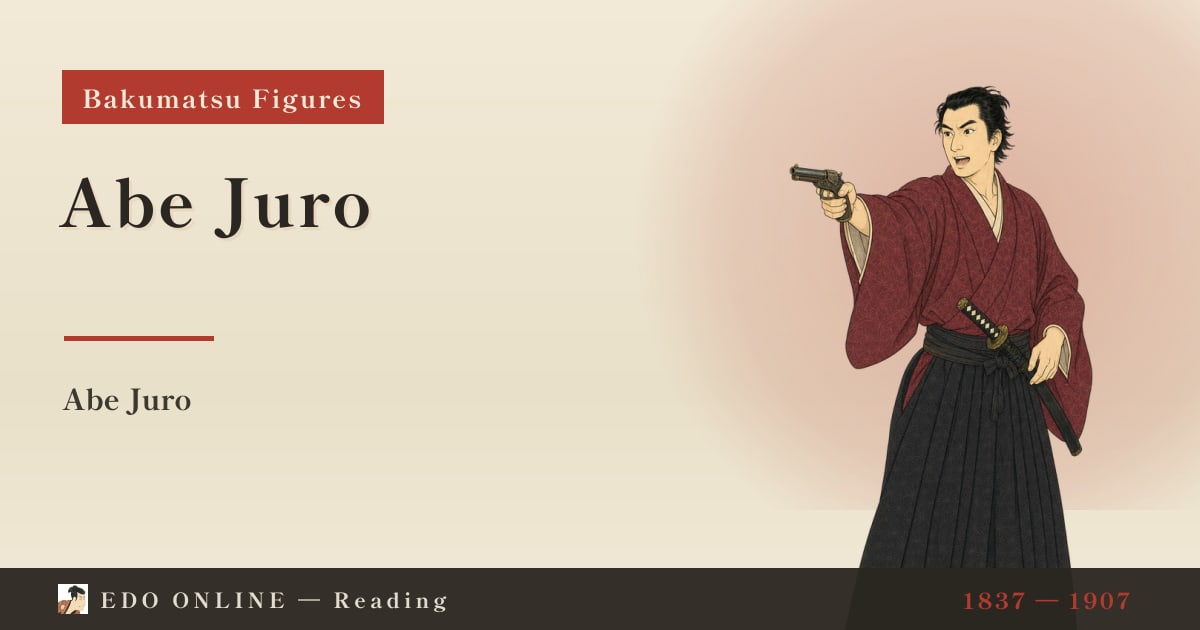
Abe Juro — The Former Member Who Talked
He deserted the Shinsengumi and rejoined under another name, shot at Kondo Isami as one of the Goryō Eji, and then grew apples in Sapporo. His late-Meiji testimony is where the ranking of the corps' best swordsmen comes from.
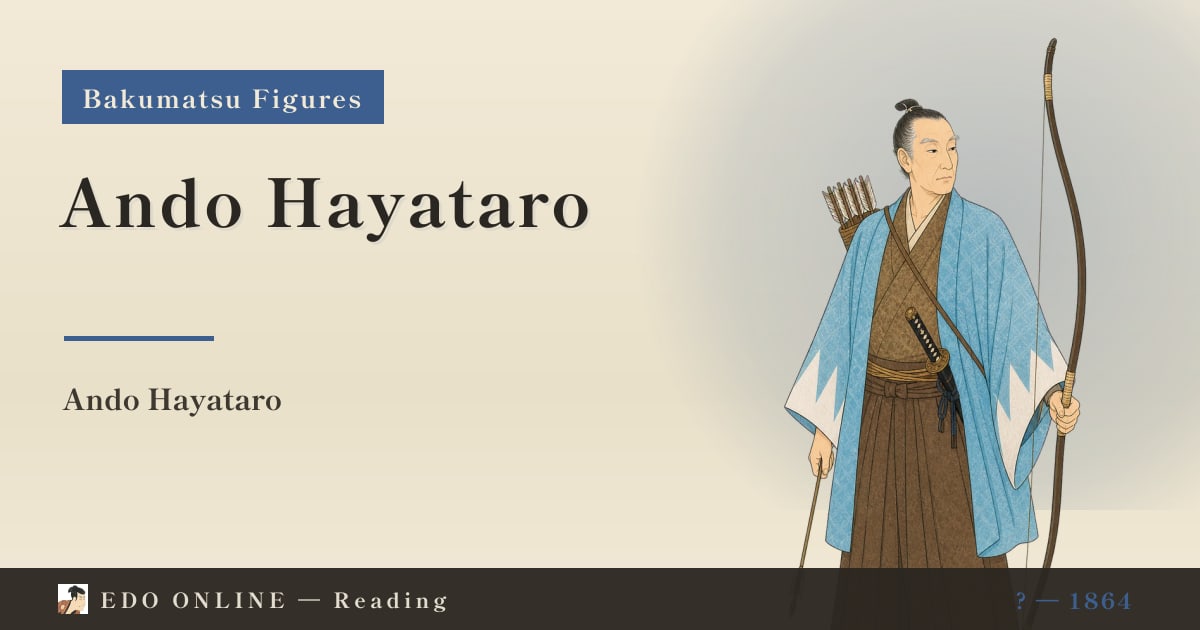
Ando Hayataro — The Shinsengumi's Record-Breaking Archer
He set the standing national record in the long-range shooting at the Tōdai-ji Great Buddha Hall, sending 8,685 arrows the length of the corridor. Nearly fifty, he joined the Shinsengumi and died of wounds taken in the back garden of the Ikedaya.
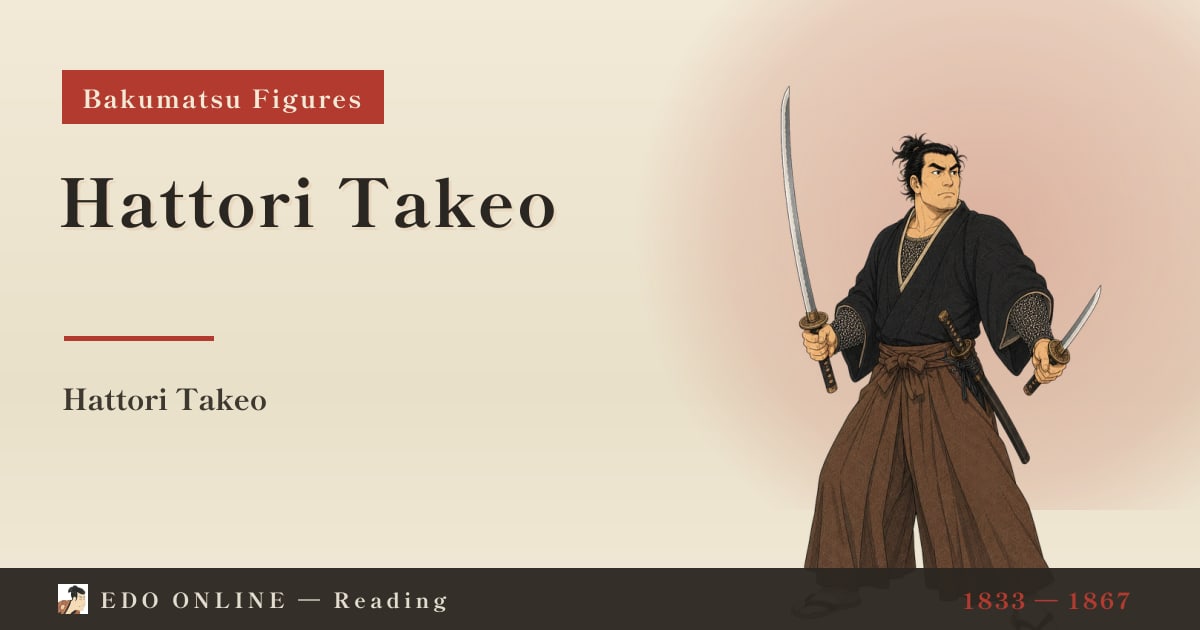
Hattori Takeo — Two Swords at Aburanokoji
A two-sword master and fencing instructor of the Shinsengumi who defected with the Goryō Eji. At Aburanokōji he alone wore mail, held a wall against the whole corps, and fell with more than twenty wounds.