Minamoto Kiyomaro — The Bakumatsu Swordsmith Called the Masamune of Yotsuya
Bakumatsu Edo had a swordsmith called the Masamune of Yotsuya. His name was Minamoto Kiyomaro — a master who drank, and who took his own life at forty-one.
Contents
Who Was Minamoto Kiyomaro?
Kiyomaro was one of the finest swordsmiths of the Bakumatsu.
In the vocabulary of Japanese swords, blades of the late Edo period are called shinshinto, "new-new swords." Kiyomaro is rated among the very best of them — so much so that, for work recalling the Kamakura master Masamune, he was called the Masamune of Yotsuya, after the district of Edo where he kept his forge.
He was born in 1813 in Shinano, present-day Nagano, into no samurai or smithing family but something closer to farming stock.
Minamoto Kiyomaro Goes to Edo
Kiyomaro set his mind on smithing young and went to Edo.
Demand for swords had a peculiar character at the time. The long peace meant no real fighting, yet as the Bakumatsu approached, interest in swords among the warrior class was in fact rising. Bound up with the mood of expulsion, blades that cut well were wanted.
Kiyomaro's swords met that want. Beauty of steel, strength of temper line — work that joined function and art won quick recognition.
Warriors gathered to commission blades, and orders did not let up. As a smith, he seemed to have succeeded.
Minamoto Kiyomaro's Drink and Debt
But his life did not run smoothly.
He drank. Drunk, the work stopped, and he could not fill his orders. He is said to have taken advances without finishing the blades, piling up debts and unmet obligations.
First-rate at the anvil, his life slid toward collapse. The fame of a master and a dissolute existence — that gap is always cited in telling his story.
Why he drank is not certainly known. The pressure of the work, his character, or something else; the record says little.
How Minamoto Kiyomaro Died at Forty-One
In 1855 Kiyomaro took his own life in Edo, aged forty-one (forty-two by the traditional count).
The reason for the suicide, too, is not clearly transmitted. Debt and the impasse of orders he could not complete are proposed as the background.
A man with hands that could forge fine swords ended himself with those hands. As a smith's life, it is unusual, and painful.
Why Minamoto Kiyomaro's Blades Are Still Prized
Kiyomaro's swords remain very highly valued.
The reason is simple: the work is good. Swords of the relatively recent shinshinto period are often ranked below the masterpieces of older ages, but Kiyomaro's work rises past that frame. Some pieces are designated Important Art Objects, and they are prominent in sword exhibitions and scholarship.
Their scarcity raises the value further. Between drink and an early death, the blades he left are few. First-rate in quality, small in number — that combination makes them rare.
In recent years games and exhibitions about swords have made his name familiar to younger audiences. The character presented there is invention, and has nothing to do with the record of the smith himself.
Minamoto Kiyomaro Timeline
| Year | Event |
|---|---|
| 1813 | Born in Shinano (now Nagano) |
| 1830s | Sets out to become a smith and goes to Edo |
| 1840s | Keeps a forge in Yotsuya; becomes known as a master |
| 1850s | Struggles with drink and debt |
| 1855 | Takes his own life in Edo, aged 41 |
For another swordsmith see Nagasone Kotetsu; for the sword world of the Bakumatsu, the fencing schools.
Related reading
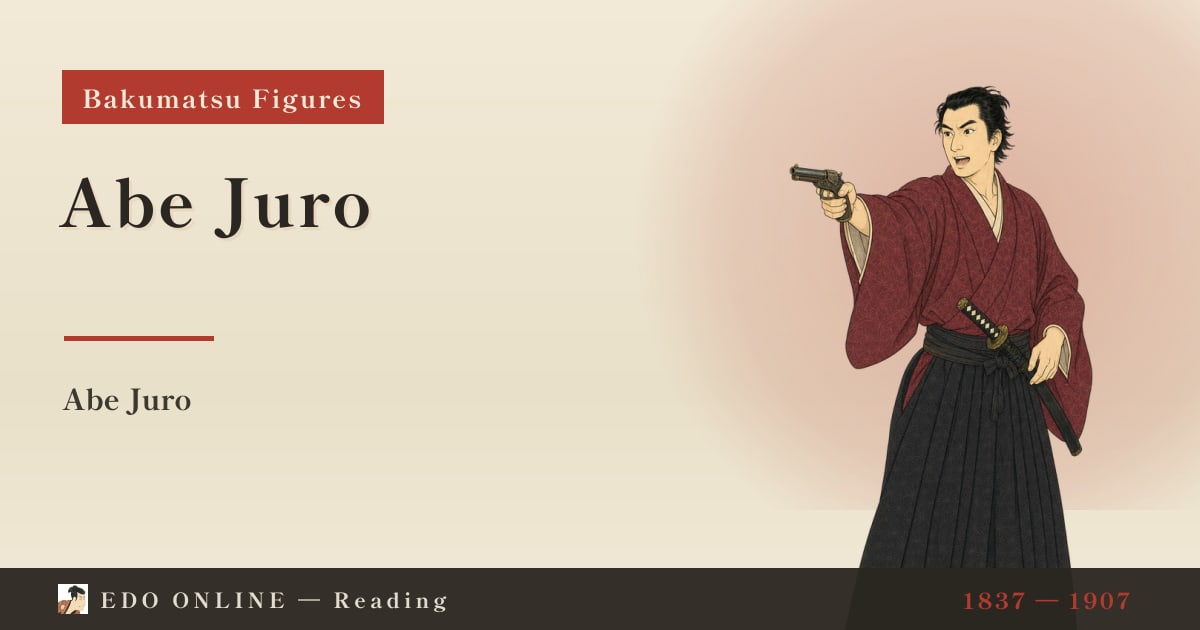
Abe Juro — The Former Member Who Talked
He deserted the Shinsengumi and rejoined under another name, shot at Kondo Isami as one of the Goryō Eji, and then grew apples in Sapporo. His late-Meiji testimony is where the ranking of the corps' best swordsmen comes from.
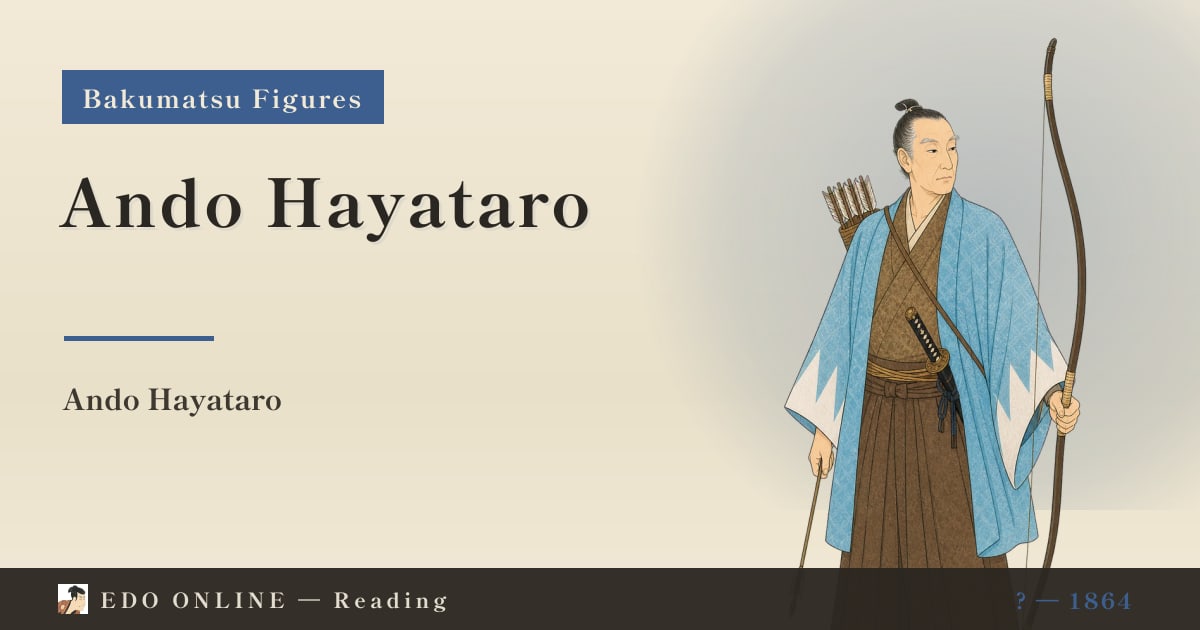
Ando Hayataro — The Shinsengumi's Record-Breaking Archer
He set the standing national record in the long-range shooting at the Tōdai-ji Great Buddha Hall, sending 8,685 arrows the length of the corridor. Nearly fifty, he joined the Shinsengumi and died of wounds taken in the back garden of the Ikedaya.
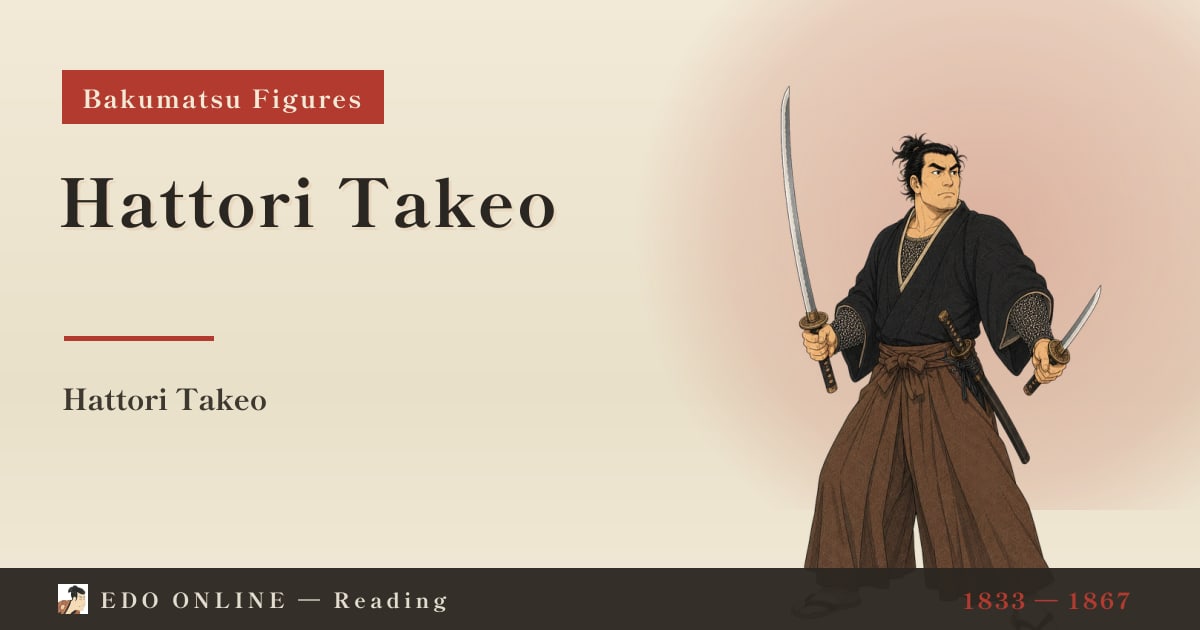
Hattori Takeo — Two Swords at Aburanokoji
A two-sword master and fencing instructor of the Shinsengumi who defected with the Goryō Eji. At Aburanokōji he alone wore mail, held a wall against the whole corps, and fell with more than twenty wounds.