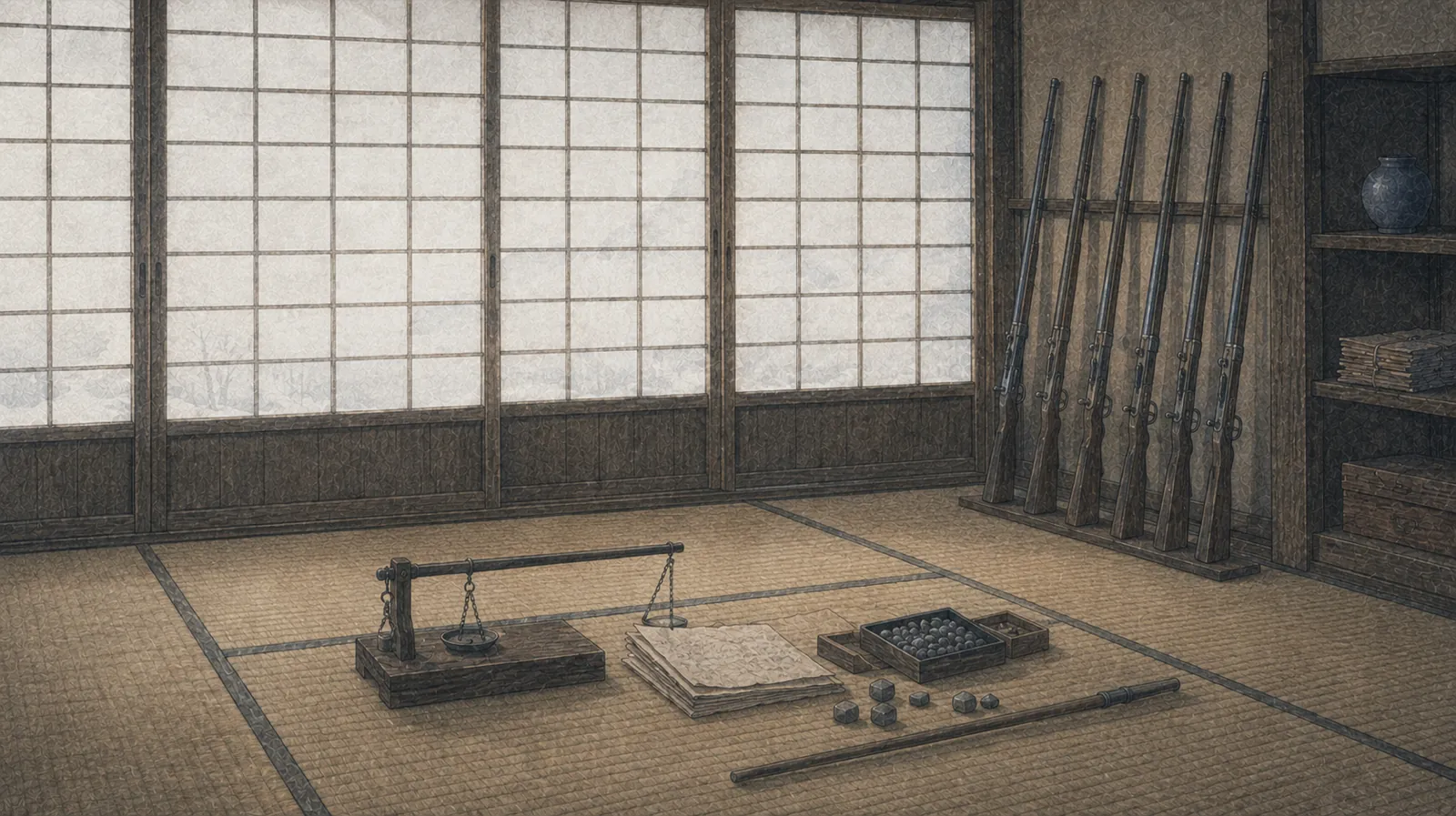
Niijima Yae (1845–1932) was born the daughter of Yamamoto Gonpachi, a master of gunnery to the Aizu domain. Her elder brother Kakuma stood at the center of the domain's Western learning and its artillery, and her knowledge came from him. In an age when warrior women trained with the naginata, what this house had was guns. While the other women took up the naginata, she said later, she set her mind on the gun.
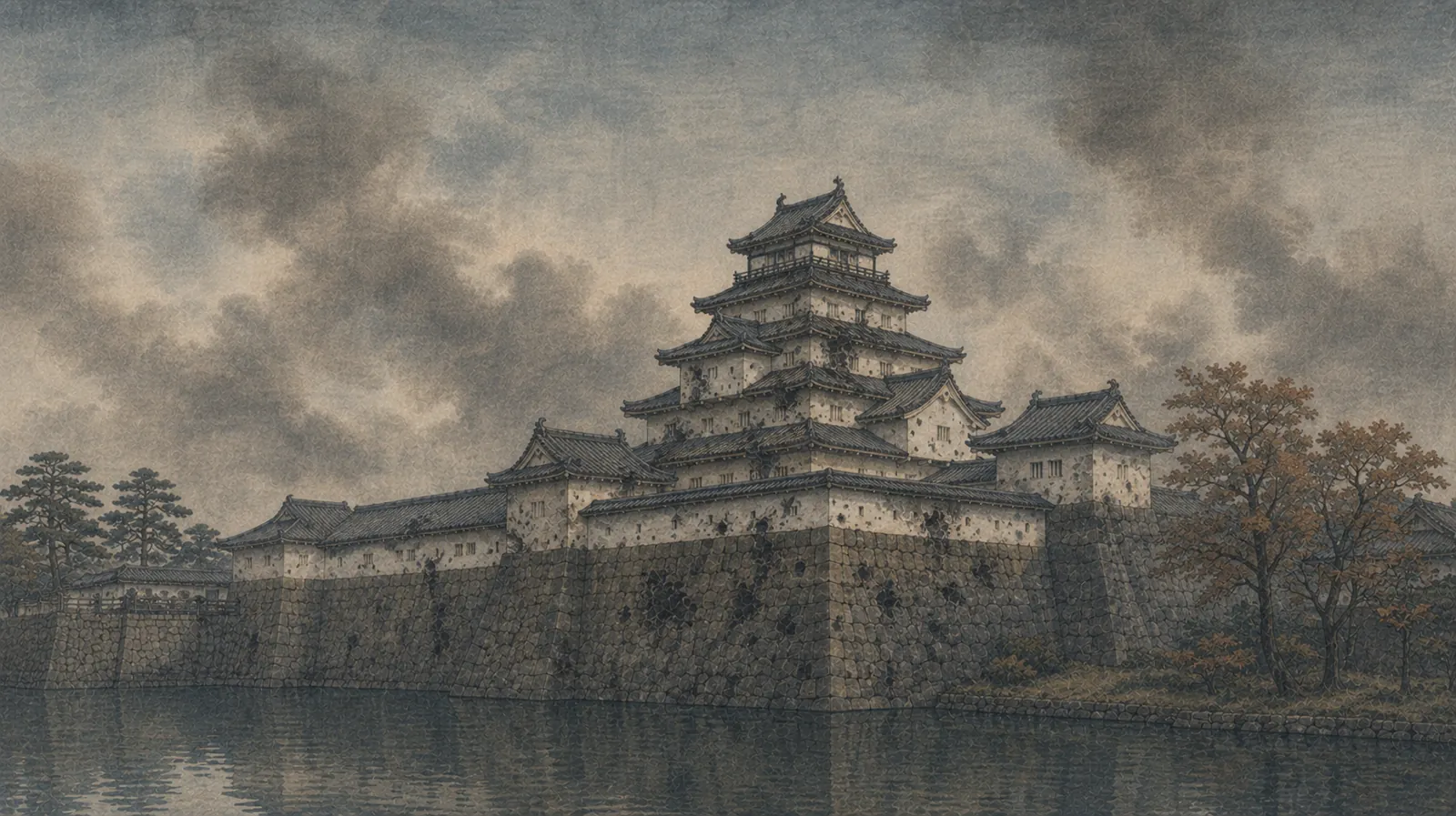
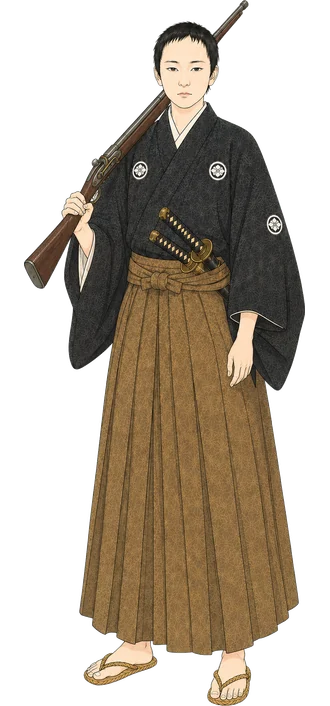
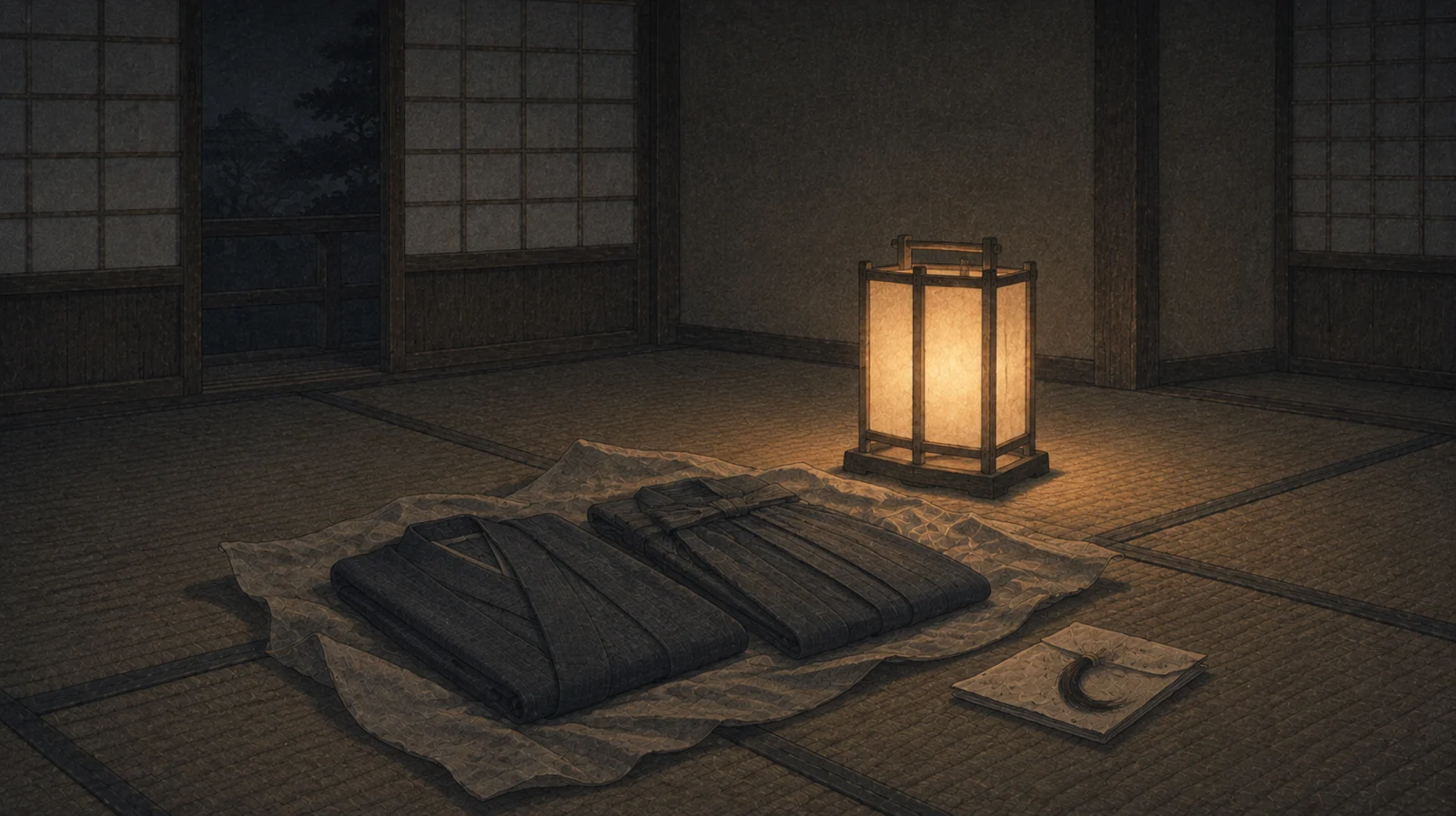
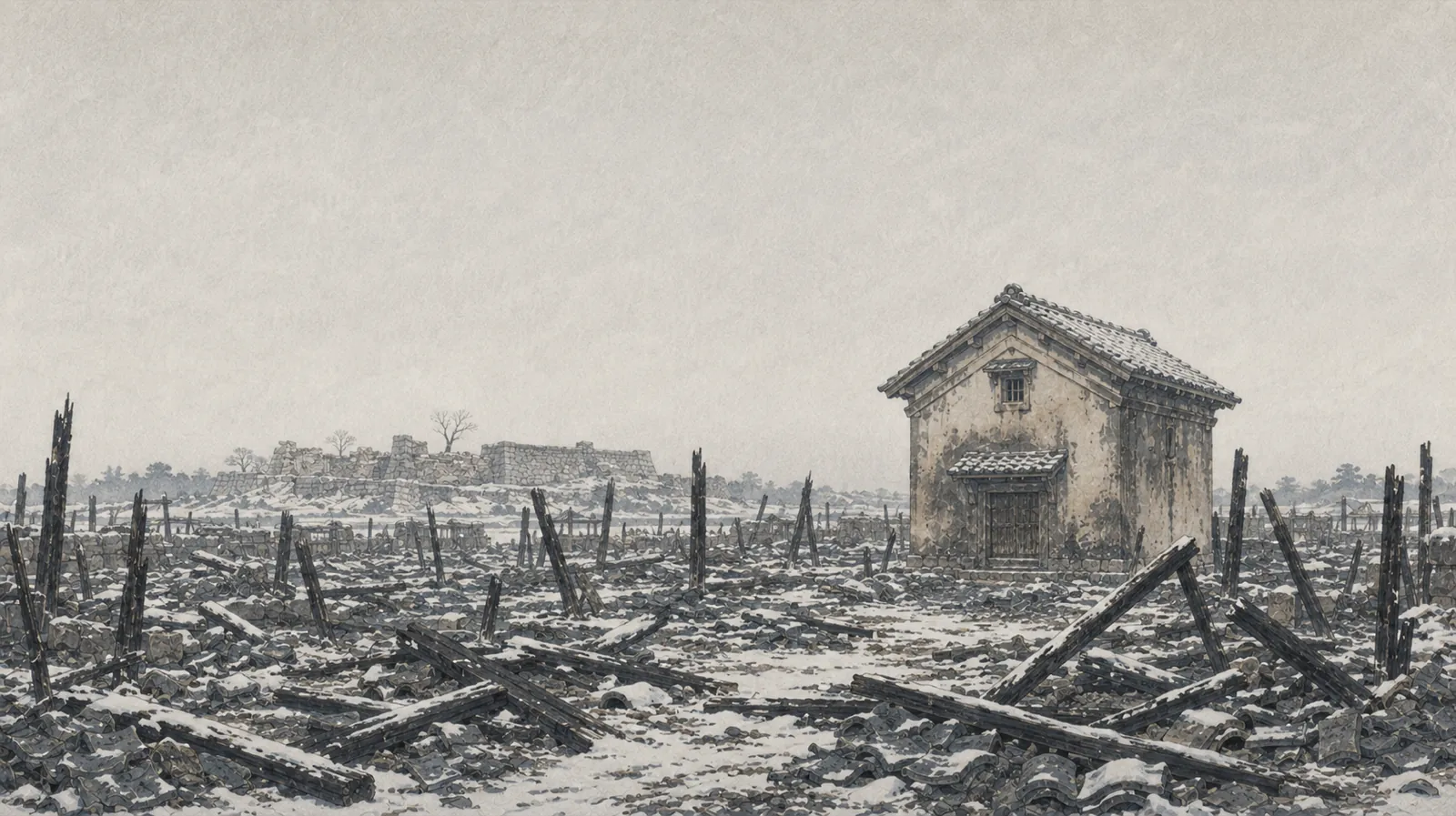
In 1868 her younger brother Saburō was killed at Toba-Fushimi, and only a lock of his hair and his clothes came home to Aizu. Yae cut her hair, put on the clothes he had left, shouldered a breech-loading seven-shot rifle, and went into Tsuruga Castle. Over the month of the siege her father was killed outside the walls, every length of white cloth in the castle became bandage, and on the last night the women gathered scraps together and sewed a white flag. The castle was surrendered on 6 November 1868.
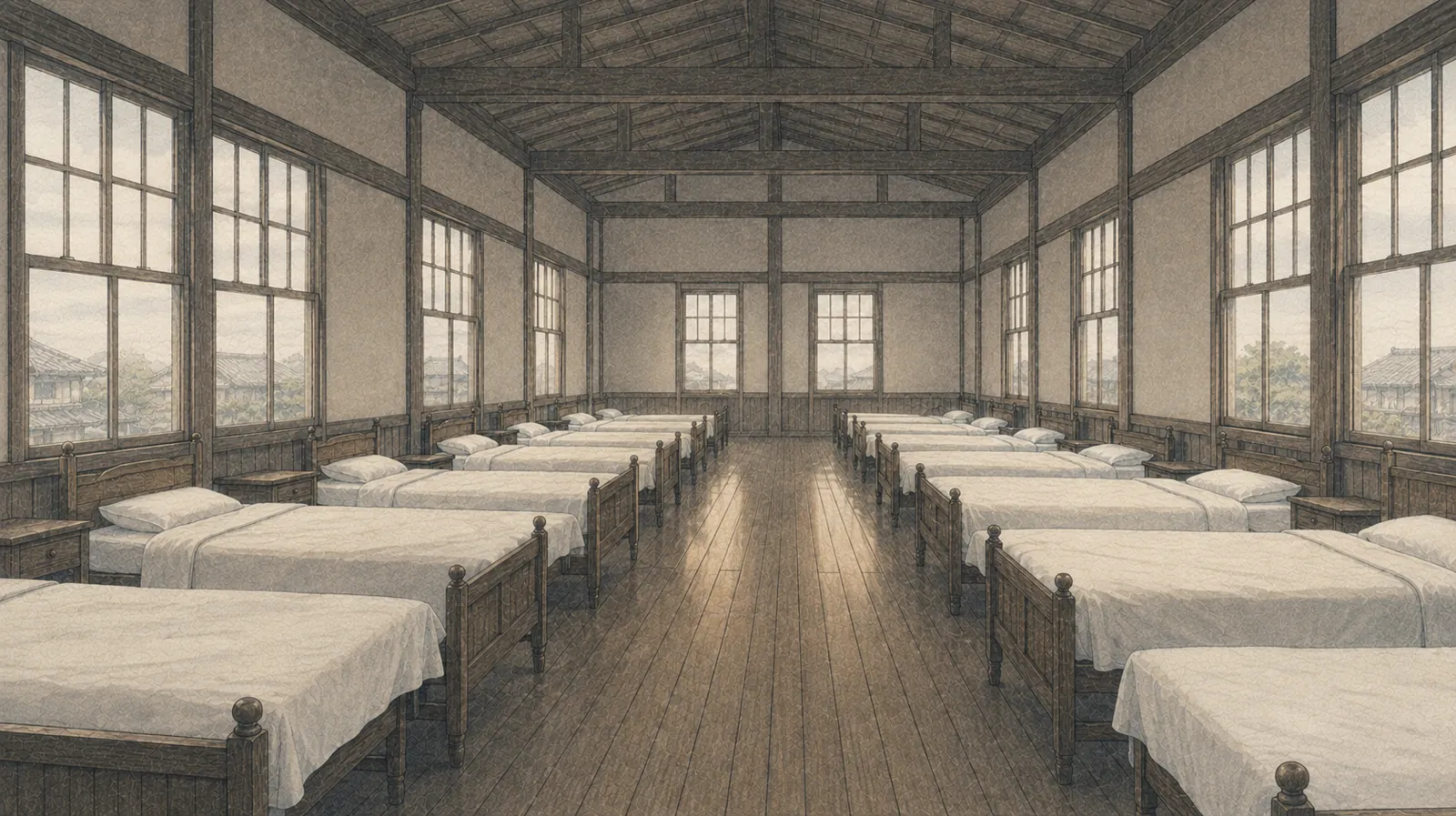
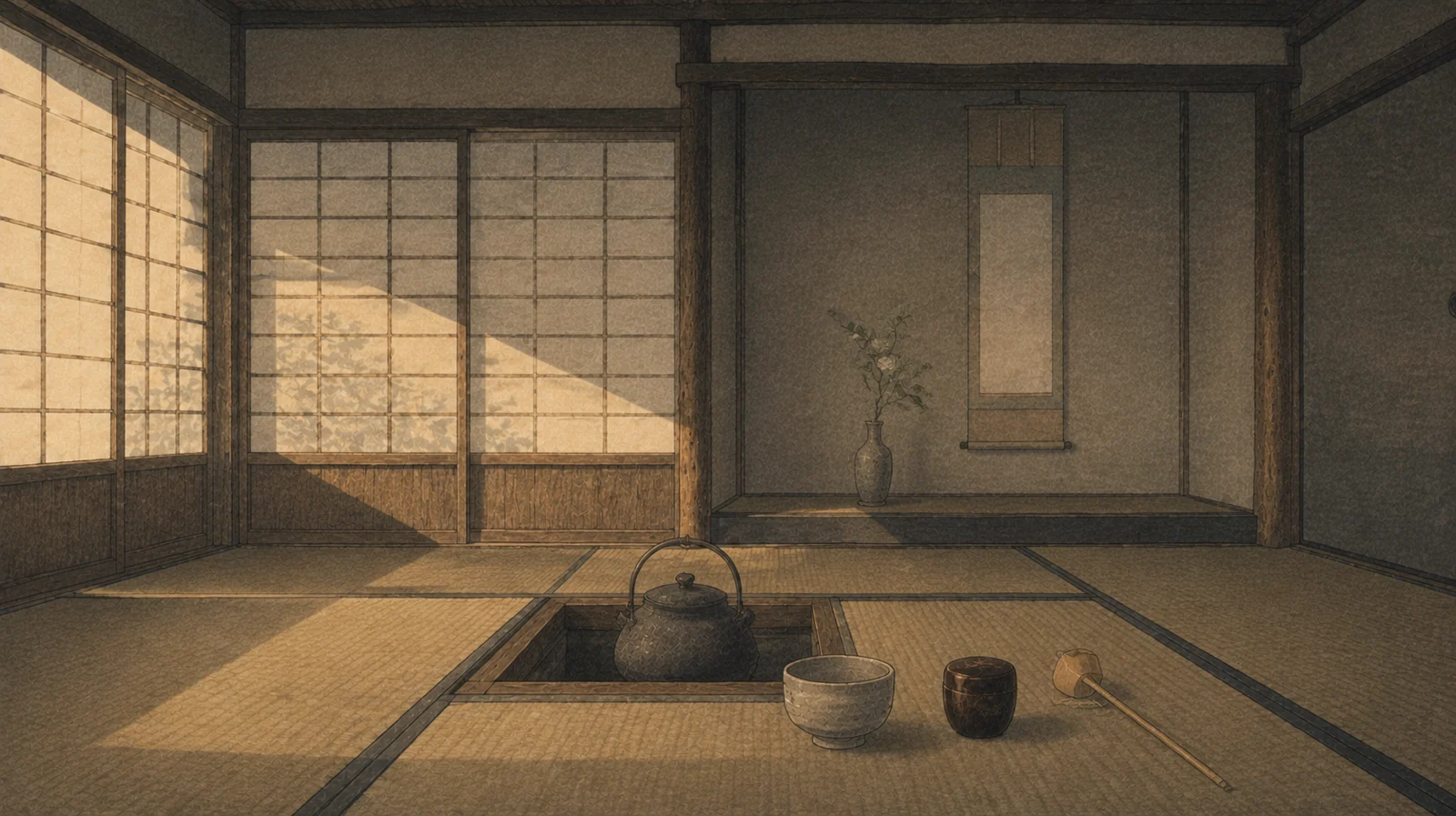
After the defeat the domain was gone, she and her husband were parted, and she lived a year in Yonezawa on what others could spare. Learning that her brother was alive in Kyoto she went there, took a post at the Nyokōba, and married Niijima Jō, newly back from America. When Jō died she became a volunteer nurse of the Japanese Red Cross, and in the war of 1894 she had charge of a hospital wing in Hiroshima with fifty-three women under her — the wards of the army she had once fired upon. She entered the Urasenke school of tea, was granted the name Niijima Sōchiku, and supported herself teaching tea to women. In 1928 a daughter of the Aizu Matsudaira house married into the imperial family and the stain on Aizu was lifted. Two years later she went home for the first time in sixty-two years, and wrote that it was the tears that got there before she did.