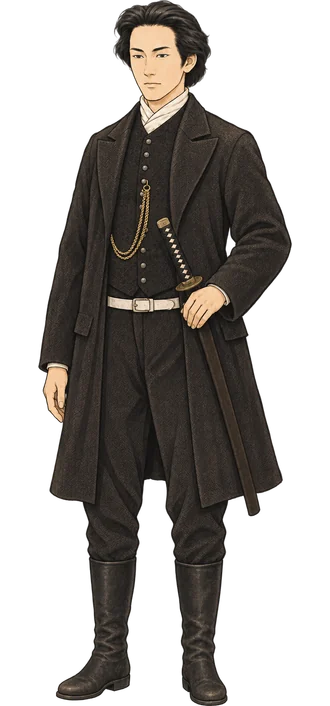
Hijikata Toshizō (1835–1869) was born in Ishida village in the Tama district of Musashi, the youngest of ten children in a well-to-do farming family. He is said to have carried the family's bruise remedy, Ishida Sanyaku, from village to village, asking for training at every dōjō along the way. He formally entered the Tennen Rishin-ryū school only at twenty-five by the old count. Before leaving for Kyoto he bound his verses himself into the Hōgyoku Hokkushū.
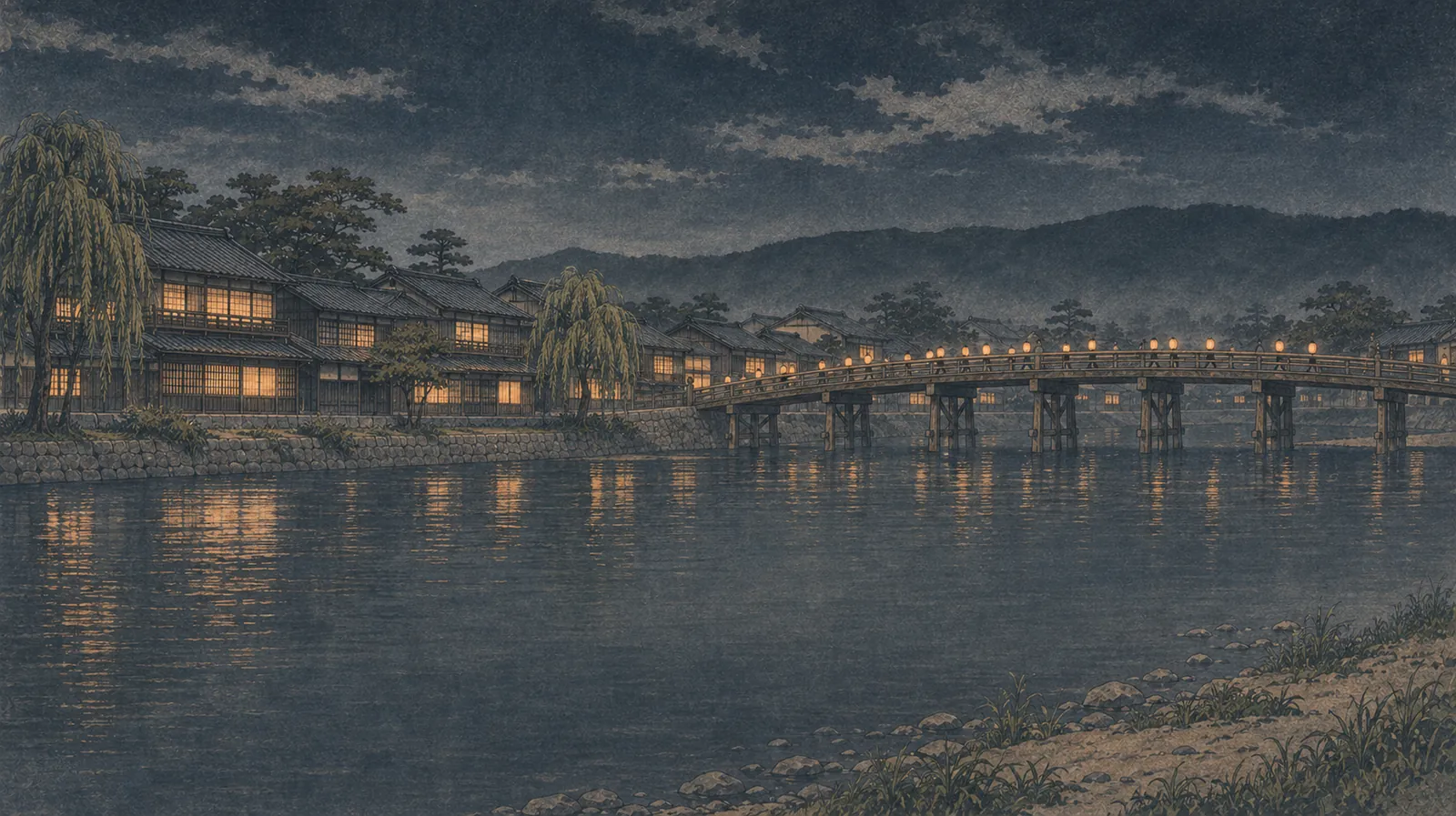
In 1863 he went up to Kyoto with the Rōshigumi, and as one of the few dozen who stayed he became vice-commander of the Mibu Rōshigumi under the Aizu domain's charge. After the death of Serizawa Kamo the corps became a body that would kill its own for the sake of discipline. On the night of the Ikedaya he searched the east bank of the Kamo and hurried to the scene; he administered the corps' rules, and the general secretary Yamanami Keisuke and the paymaster Kawai Kisaburō both died by seppuku. In 1867 he was made a retainer of the shogunate; on 12 January 1868 Kondō Isami was shot, and the command passed to Hijikata.
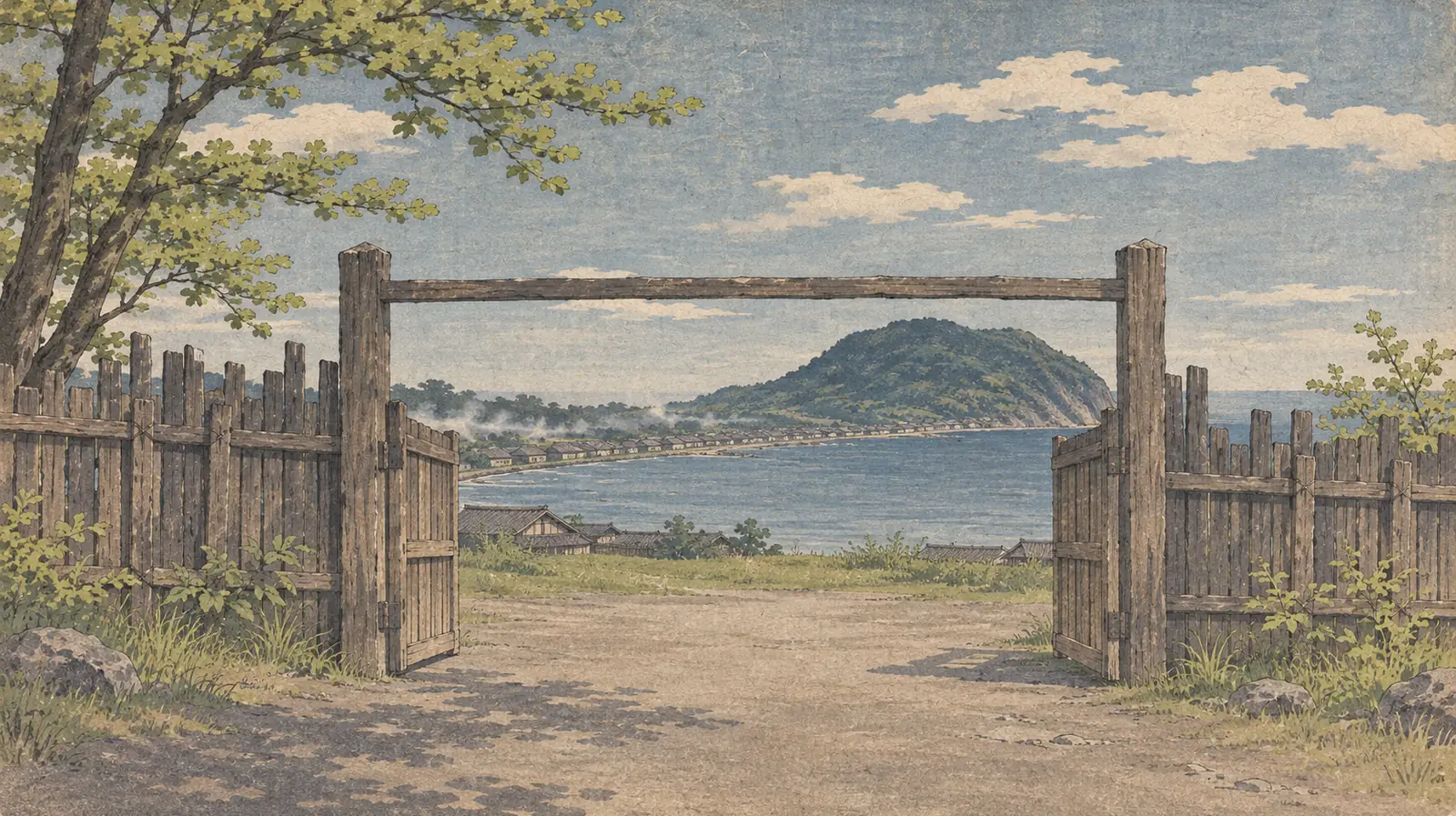
After the defeat at Toba-Fushimi he said in Edo that in war nothing would serve but guns. He lost in Kōshū, parted from Kondō at Nagareyama, was shot in the foot at Utsunomiya, parted from Saitō Hajime in Aizu, and crossed from Sendai to Ezo. At Hakodate, as deputy army commissioner, he threw back the new government's army twice at Futamataguchi, but the war was already lost. He sent his page Ichimura Tetsunosuke home to Hino with a photograph and a lock of hair, and on the eleventh day of the fifth month of Meiji 2 (June 20, 1869) he went out to the Ippongi barrier to stop the retreating men and was shot. He was thirty-five by the old count. Where his body lies is still not known.