
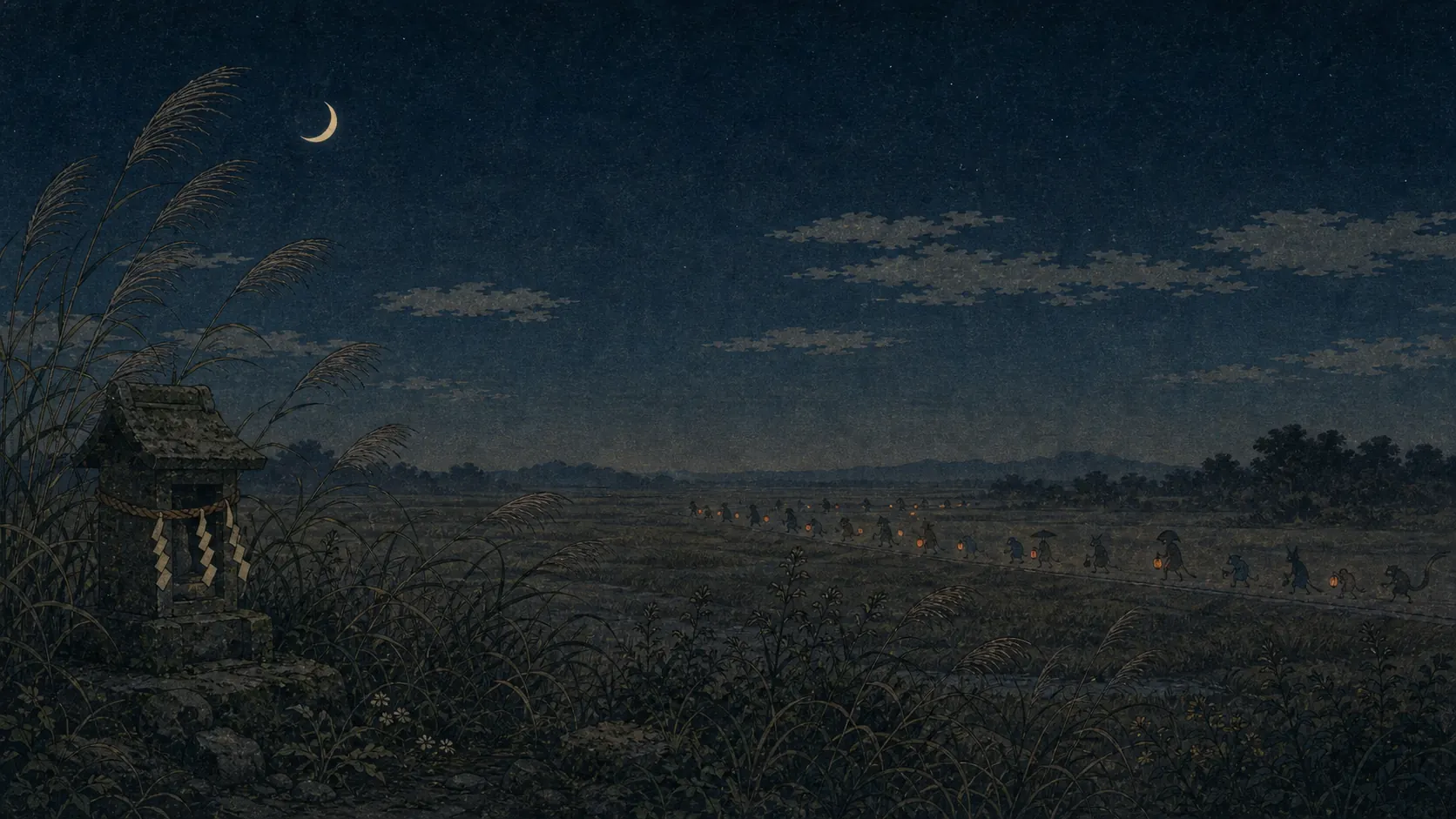
Hyakki Yakō
The Night Parade of One Hundred Demons
Past the northern frontier lies a battlefield without end.
How far will your own strength carry you? Fight on against a night parade that never ends — with four shikigami at your side.
About EDO ONLINE →Background
What is the Night Parade?
A procession of monsters winding through the dark. To meet it, the old stories say, is to die — this was the parade whispered about in the streets of the capital.
The oldest surviving pictures of the Night Parade are the Muromachi-period Hyakki Yagyō scrolls, and what marches in them is not only fanged demons. A biwa, a cooking pot, a paper umbrella, a pair of worn-out straw sandals — household objects that have sprouted eyes and limbs and joined the procession in high spirits. These are said to be tsukumogami: things discarded after long years of service, come back changed.
By the middle of the Edo period, each of these creatures had acquired a face and a name. The artist Toriyama Sekien published Gazu Hyakki Yagyō in An'ei 5 (1776), in three volumes titled Yin, Yang and Wind — beasts and mountain spirits, fires and human-shaped apparitions, and vast things that resist description, each drawn plainly with its name beside it. He followed it with Konjaku Gazu Zoku Hyakki (1779), Konjaku Hyakki Shūi (1781) and Hyakki Tsurezure Bukuro (1784), the last devoted entirely to tsukumogami. Nearly every yōkai picture since owes something to these books.
The Hyakki Yakō of EDO ONLINE is built on Sekien's catalogue. The three volumes of the first book become three bands of the tower: you begin among the beasts of the Yin volume, pass through the apparitions of Yang, and climb toward the great unnameable things of Wind.
Yōkai
Those who march
Eighteen yōkai drawn from Sekien's plates
Volume of Yin
Beasts and mountain spirits
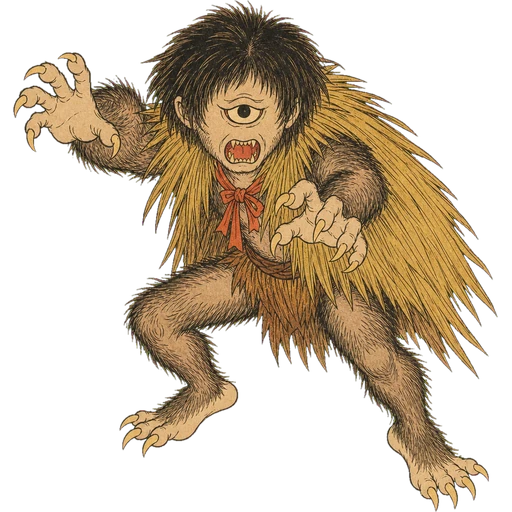
Yamawaro
Katana
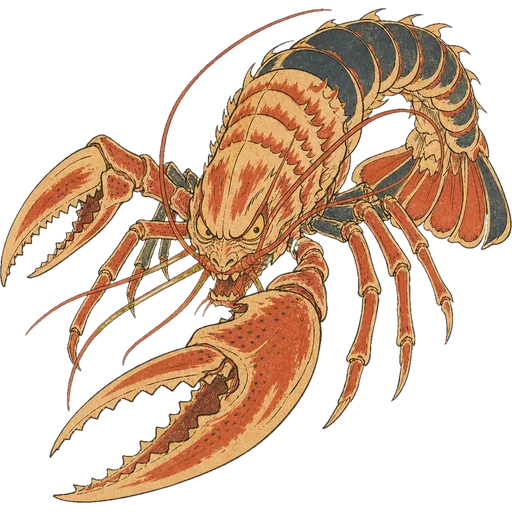
Amikiri
Yari
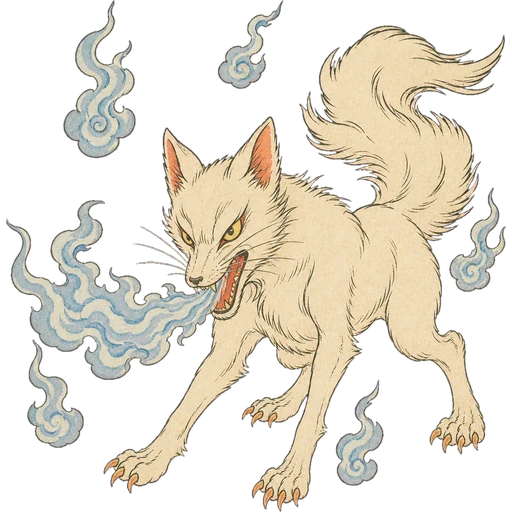
Kitsunebi
Yumi
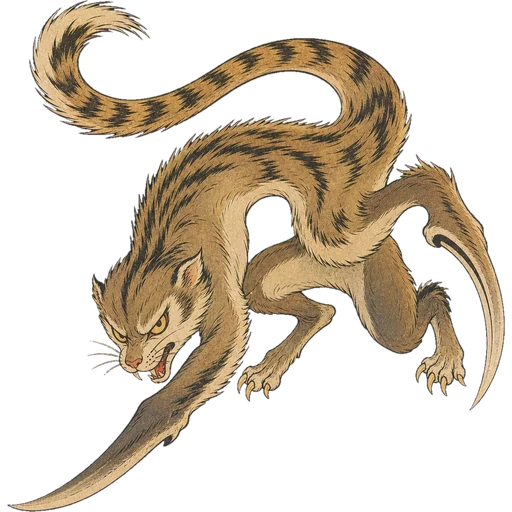
Kamaitachi
Tantō
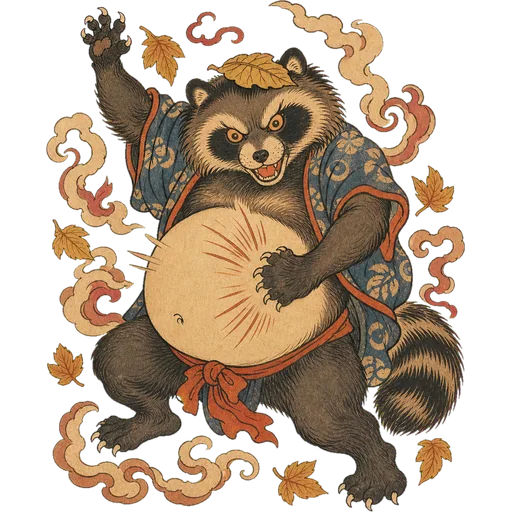
Tanuki
Talisman
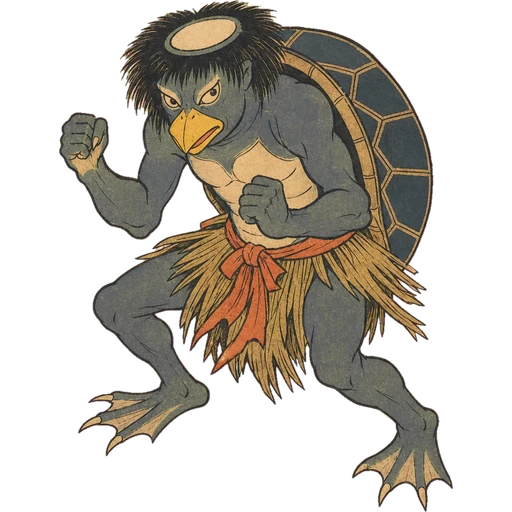
Kappa
Tekkō
Volume of Yang
Fires and human-shaped apparitions
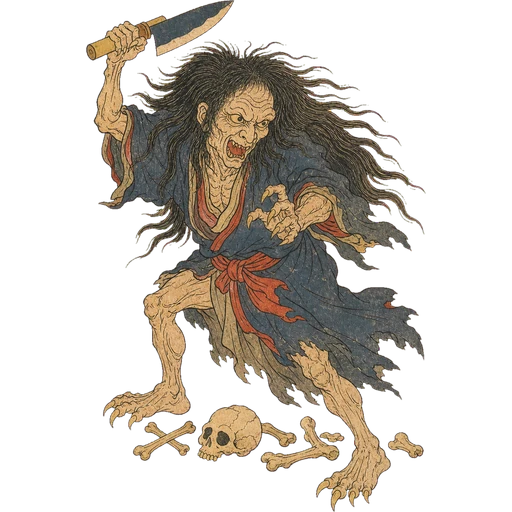
Kurozuka
Katana
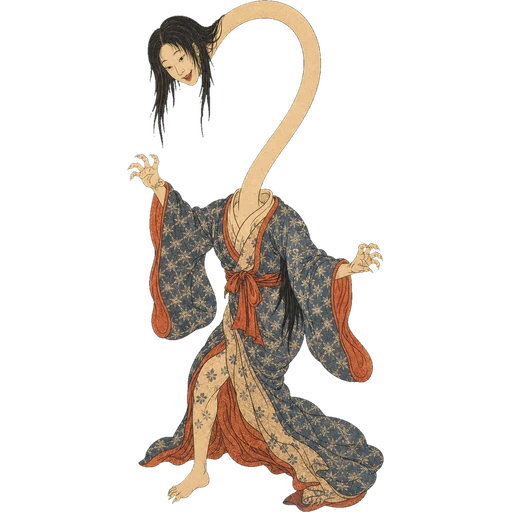
Rokurokubi
Yari
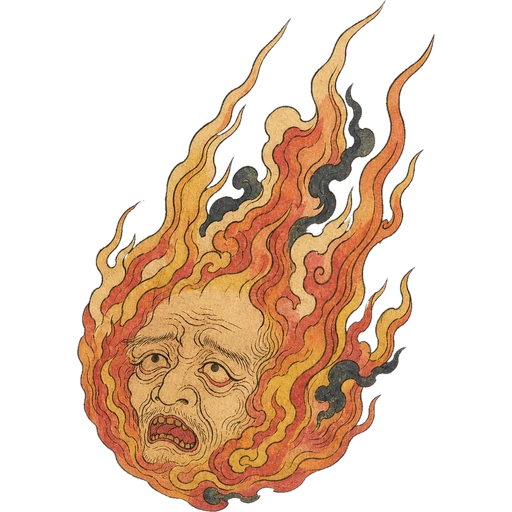
Tsurubebi
Yumi

Tesso
Tantō
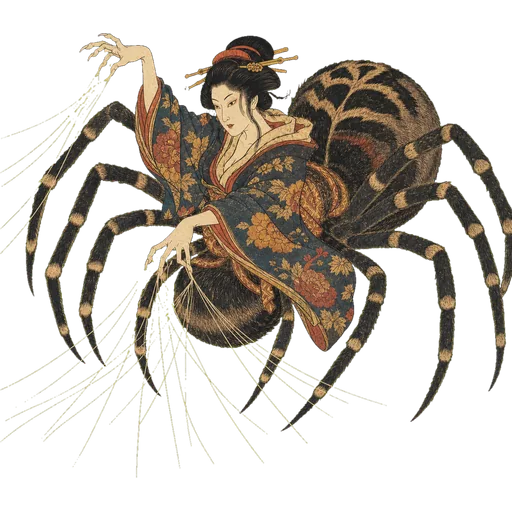
Jorogumo
Talisman

Itachi
Tekkō
Volume of Wind
Great, unnameable things
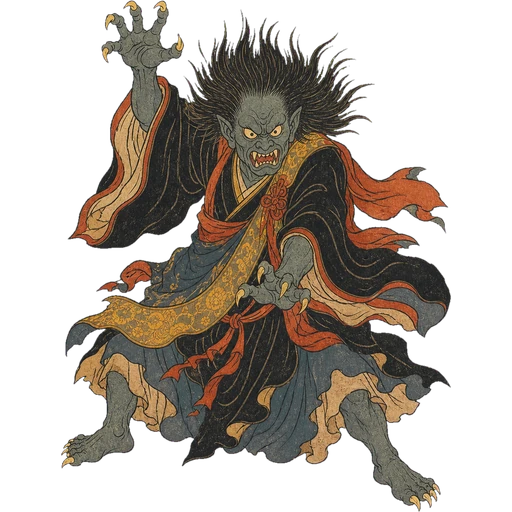
Gagoze
Katana
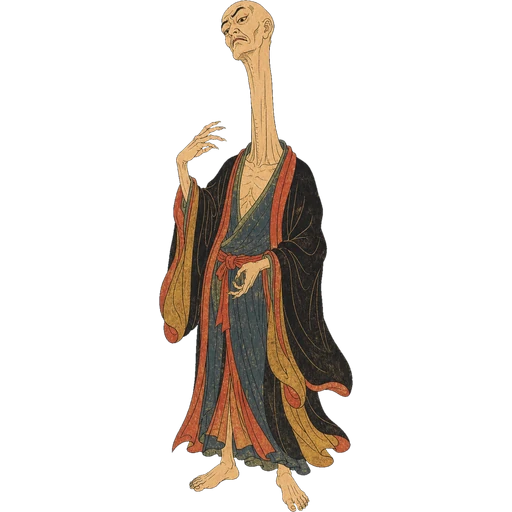
Mikoshi-nyudo
Yari
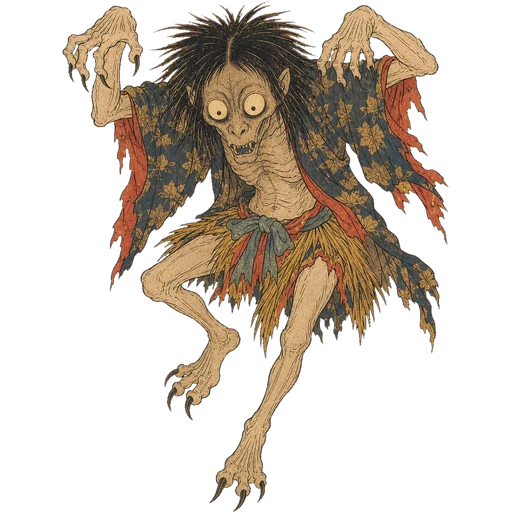
Shokera
Yumi
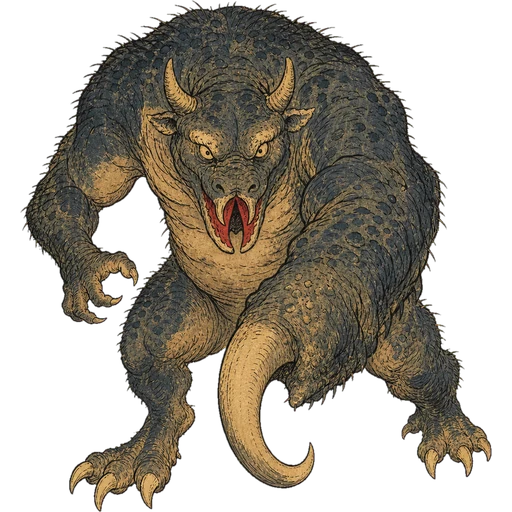
Waira
Tantō
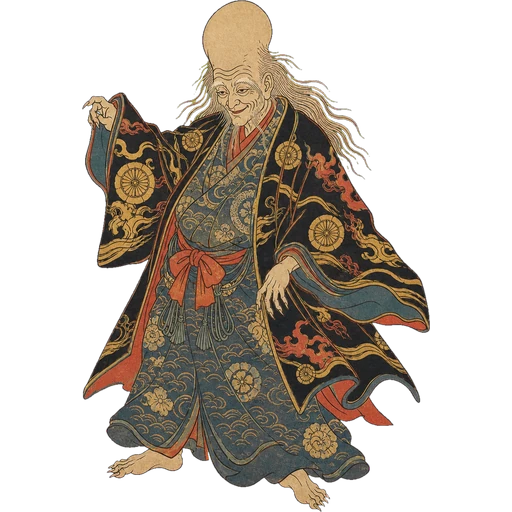
Nurarihyon
Talisman
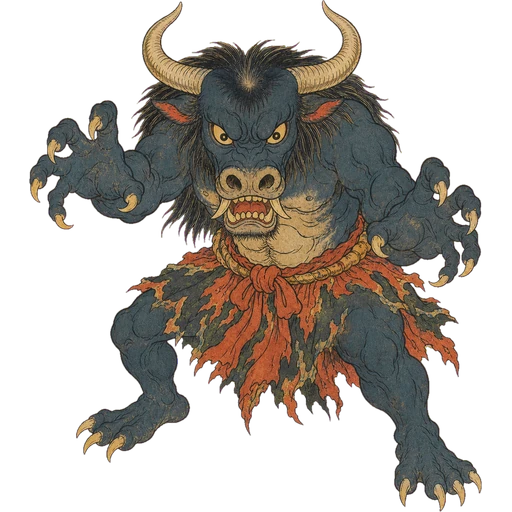
Ushi-oni
Tekkō
Background
What is a shikigami?
A servant spirit said to be commanded by the onmyōji. Breathe into a paper figure, the stories go, and it rises to work for its master.
Onmyōdō was the court's science of calendars, astronomy and divination, and its practitioners were the onmyōji. Tales of Abe no Seimei commanding shikigami at will appear again and again in medieval anecdote collections and later fiction — but they are legend, not documented fact. The image stuck all the same: a paper figure that works in a person's place, carried down through Edo-period chapbooks and kabuki alike.
Onmyōdō in the Edo period was not purely a court office. The Tsuchimikado house, held to descend from Seimei, was placed over the country's onmyōji from Tenna 3 (1683) onward, licensing those who made a living from calendars and divination.
The shikigami of EDO ONLINE come in nine lineages, taken from the Twelve Heavenly Generals of Rikujin-shinka divination — Byakko, Tōda, Tenkū, Genbu, Taijō, Seiryū, Suzaku, Taiin, and Rikugō as the lineage for those that belong to no single direction. Their attributes derive from the Senji Ryakketsu.
Shikigami
Nine lineages
Call a paper figure, then offer it yōryoku and equipment to make it evolve.

Hitogata
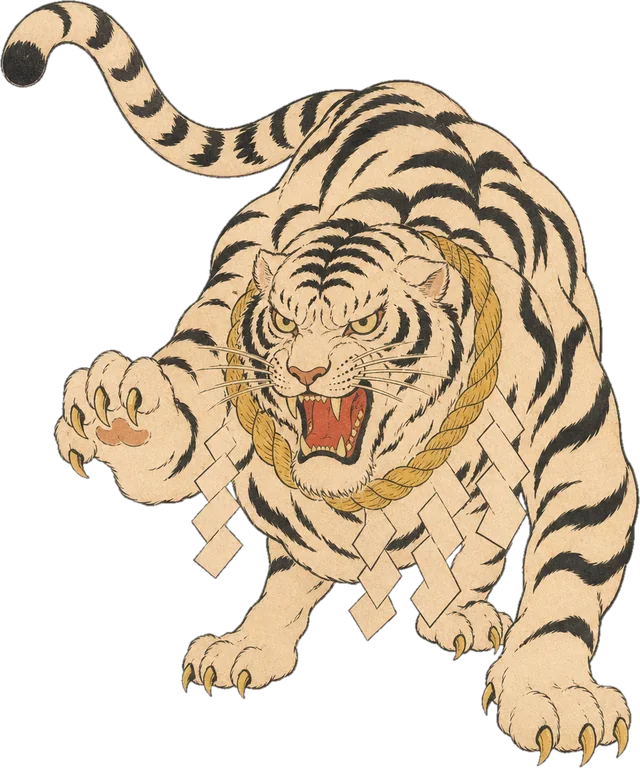
Byakko
Power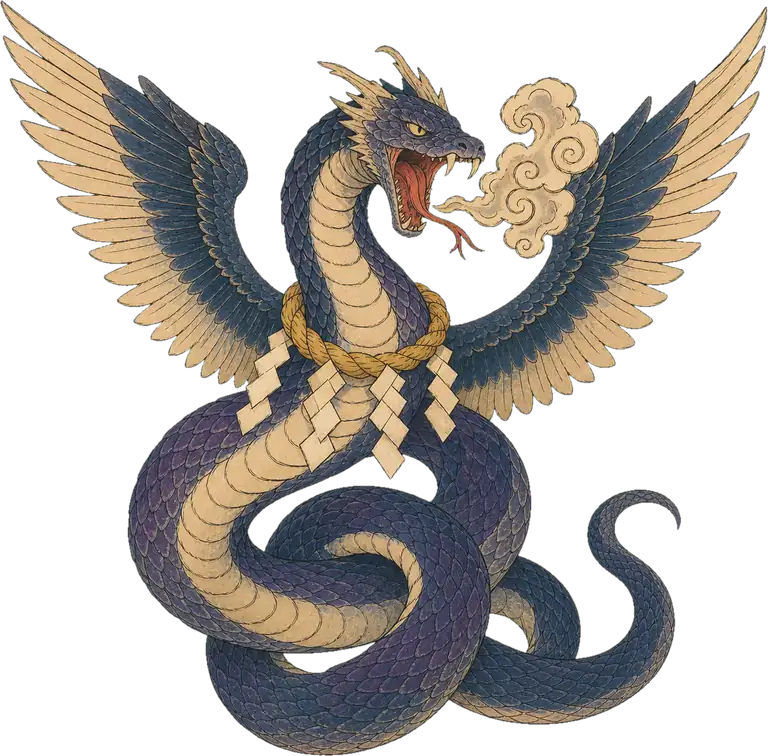
Toda
Magic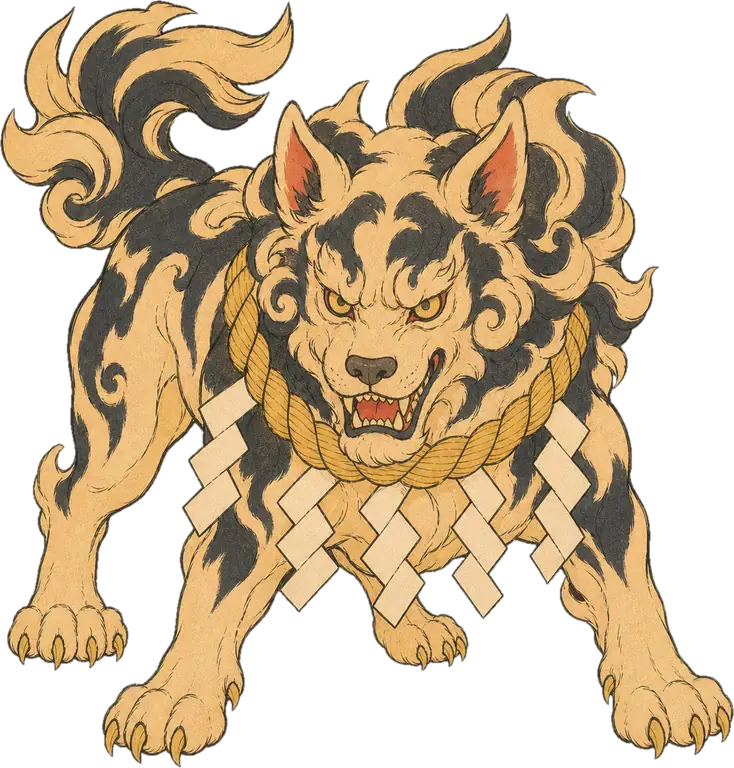
Tenku
Technique
Genbu
Vitality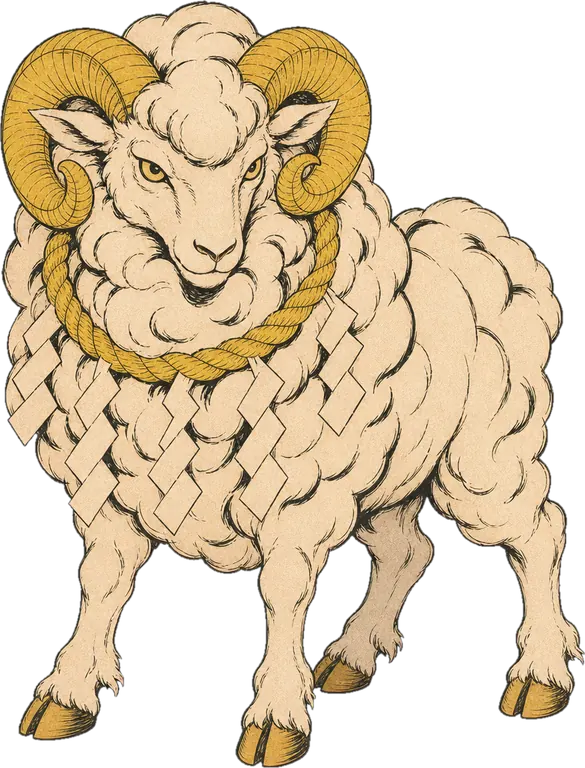
Taijo
Dexterity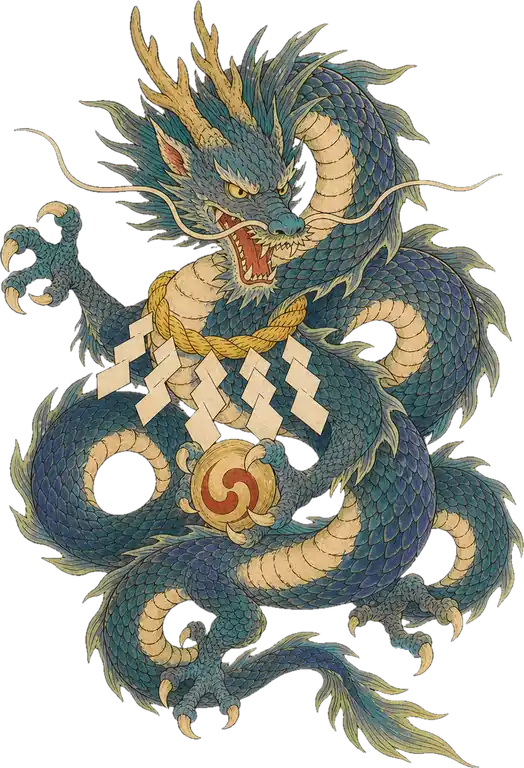
Seiryu
Luck
Suzaku
Speed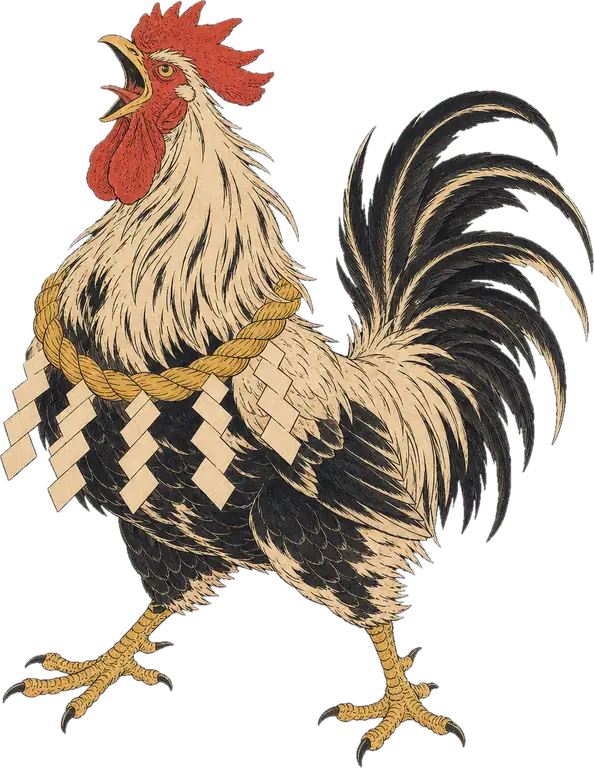
Taiin
Resolve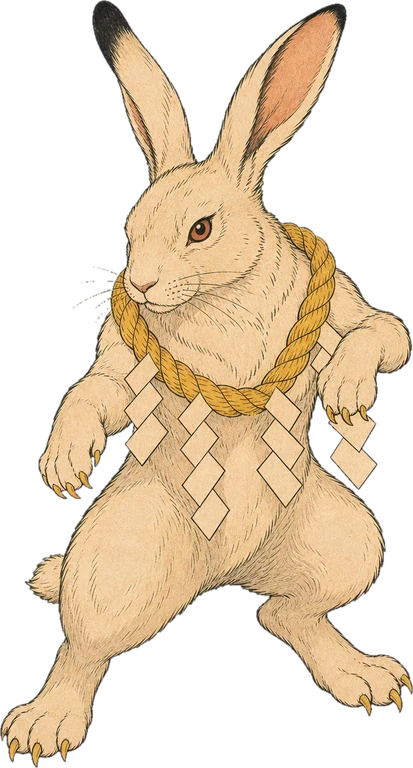
Rikugo
Climb and raise
The climb and the raising of shikigami repeat without end.
Climb the tower
A great procession of yōkai, open only to those who have reached Ezo. Victory yields yōryoku — but no experience and no coin. Compete on how far you climb.
Raise your shikigami
Offer yōryoku, equipment and coin in prayer, and a shikigami grows without limit. You can house them at four places on the body, and each strengthens the gear on that part in proportion to its attributes.
The creatures are drawn from Toriyama Sekien's Gazu Hyakki Yagyō, the shikigami lineages from the Twelve Heavenly Generals of Rikujin divination.